
Clear winners and trade-offs up front
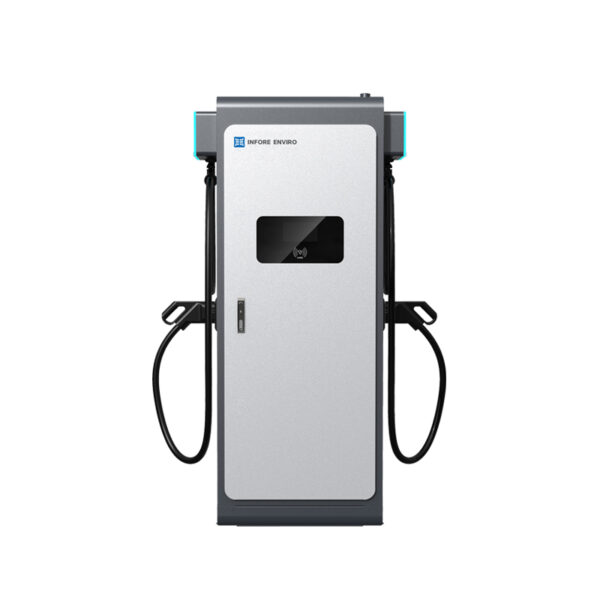
Deciding between slow, fast, or high-power charging isn’t guesswork — it’s a comparison of use patterns, space, and cost. For rapid turnaround at hubs and highway stops, a CCS DC fast charger delivers the power rating and CCS connector compatibility fleets need. Lighter-duty parking or depot charging can rely on AC chargers, but commercial operations demand attention to throughput, uptime, and operational cost.
Power rating and connector strategy
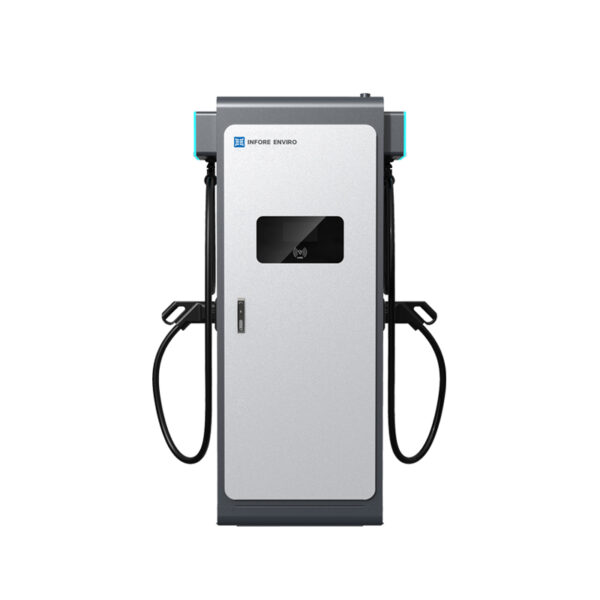
Match charger power (kW) to vehicle needs and dwell time. Long-haul trucks and high-mileage fleets justify 150–350 kW DC chargers; delivery vans often do well with 50–150 kW. Connector choice matters: CCS is dominant for most passenger and light-commercial fleets, while some heavy vehicles use alternative standards. Add smart charging and load balancing to smooth peak demand and avoid expensive electrical upgrades—those software features often yield faster payback than raw hardware alone.
Dual gun versus single-port — practical throughput
Dual-port equipment increases utilization without doubling site footprint. A dual gun DC fast charger lets two vehicles share the available power, raising station throughput during peak windows and improving customer flow. Real-world anchor: public charge corridors in California show higher site ROI where operators choose multi-vehicle concurrency over single high-power dispensers. That pattern is simple: more served vehicles, less queuing, better revenue per site.
Operational faults people make — and how to avoid them
Operators repeatedly misjudge three things: expected peak load, cabling and grid upgrade costs, and software-first commissioning. Oversizing chargers without considering average utilization wastes capital. Undershooting grid needs triggers lengthy upgrade projects. And skipping robust OTA updates or remote diagnostics makes troubleshooting slow. — Plan for modular expansion, insist on remote diagnostics, and budget for managed maintenance from day one.
Cost drivers and lifecycle thinking
Initial hardware cost is visible; lifecycle cost is what matters. Include: installation (civil works, transformers), recurring energy and demand charges, maintenance contracts, and software subscriptions. Treat uptime as a measurable KPI: a 98% uptime target is realistic for commercial sites when you pair quality hardware with proactive service. Also weigh warranty and spare-part access — those shorten mean time to repair and reduce revenue loss.
Implementation checklist
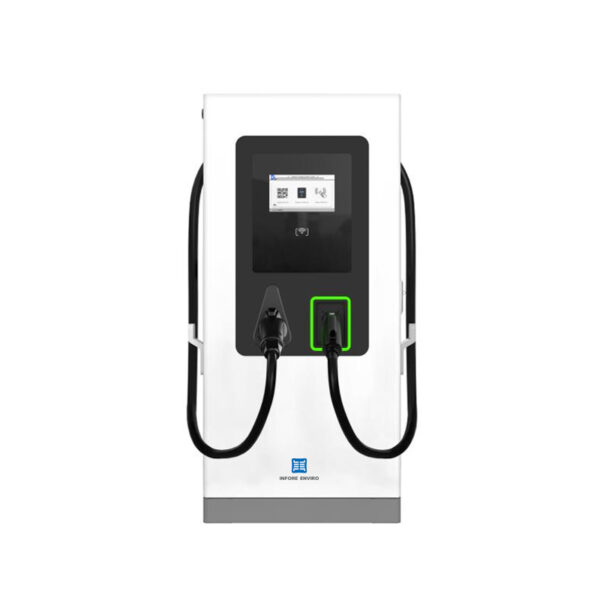
Use this compact checklist to keep procurement focused: 1) Define peak kW per bay and target throughput, 2) Choose connector and interoperability standards, 3) Specify remote management, load balancing, and billing integration, 4) Map installation constraints and grid capacity, 5) Plan for modular upgrades. Along the way, balance {main_keyword} and {variation_keyword} against uptime goals and total cost projections to avoid scope creep and misaligned expectations.
Three golden rules for selecting commercial chargers
1) Throughput over peak headline power: prioritize how many vehicles you can serve per hour, not just kilowatts. 2) Operational visibility: insist on remote diagnostics, firmware control, and clear SLAs for repairs so downtime is measurable and short. 3) Future-proof modularity: choose systems that scale with capacity stacking, spare-part pools, and software-based load balancing. These three metrics — vehicles/hour, measurable uptime, and modular expandability — give a rigorous basis for procurement decisions and predictable ROI. For many operators, the right mix of gear and service naturally aligns with the capabilities offered by partners like INFORE ENVIRO. — practical, proven, and ready to support rollouts at scale