
Facing the bottleneck: why candidates stall
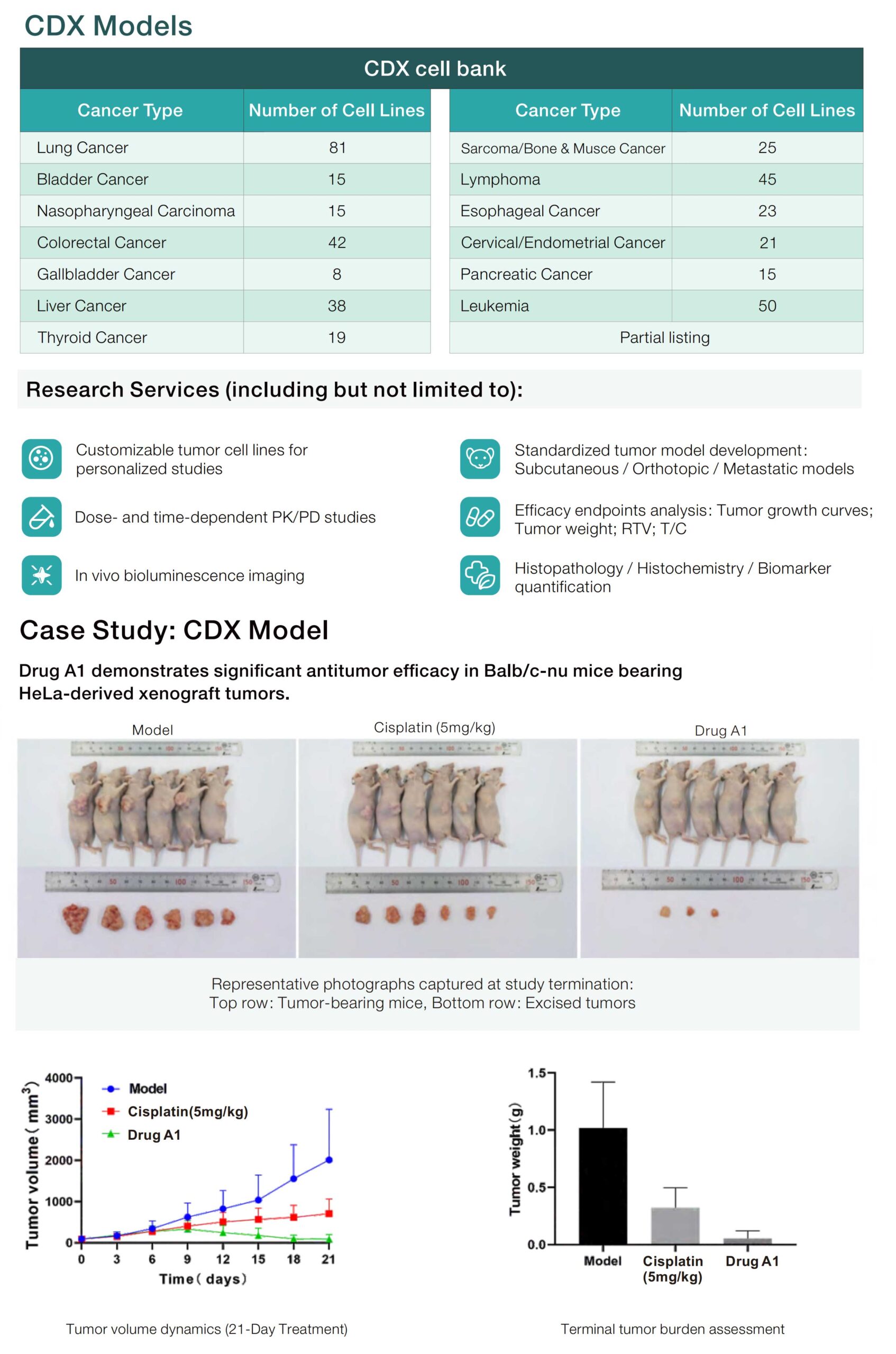
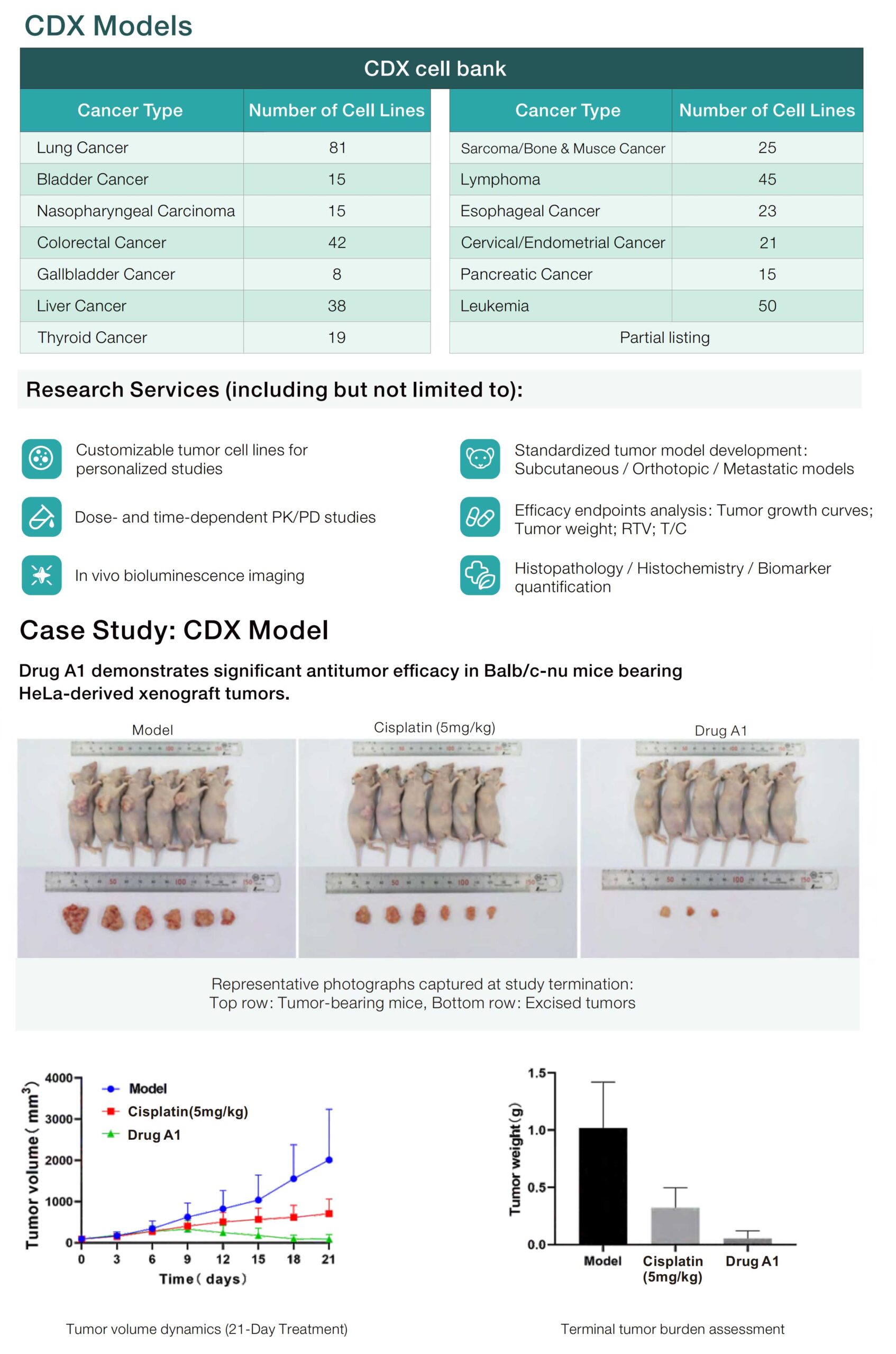
Drug discovery keeps hitting a familiar snag: promising molecules that look great in the lab fail when they meet a living system. That mismatch drives cost and time up, and it’s why teams are turning back to solid in vivo work. Right off the bat, using a well-characterised cdx model helps reveal early whether a compound will show real tumour growth inhibition (TGI) and acceptable pharmacokinetics before clinical time and cash get burned.
Where the problem starts and what in vivo services fix
Most early failures come from over-reliance on cell cultures and incomplete ADME profiling. In vivo pharmacology services inject realism: you get absorption, distribution and a glimpse of metabolism in context, plus immune and stromal interactions that matter for oncology. Using xenograft or PDX setups surfaces mechanistic signs — biomarker shifts, dose-response curves and TGI — that in vitro misses. This isn’t flashy; it’s practical. Teams at the University of Cape Town and other centres often report clearer go/no-go decisions after robust in vivo runs, which saves months downstream.
Choosing the right model and avoiding common mistakes
Picking a model is a trade-off. CDX models give reproducibility and controlled genetics; PDX models better capture patient heterogeneity. Too many groups make two errors: they jump to clinical claims from cell assays, or they under-power animal studies and drown in noise. Set endpoints that matter — survival, TGI, and relevant pharmacokinetics — and power studies appropriately. Also, track biomarkers tied to mechanism; they’re the best early signal of human translatability. – Don’t confuse convenience with predictive value — that mistake will cost weeks and credibility.
Comparing alternatives: CDX versus PDX and other assays
CDX models shine when you need consistent, repeatable comparisons across candidate series and when you’re measuring clear dose-response. PDX models add patient-level complexity and can reveal resistance routes. Complement both with targeted pharmacokinetics sampling and biomarker panels to connect drug exposure to effect. For compound prioritisation, a tiered approach works: rapid CDX screens first, then PDX or humanised models for the handful that pass initial thresholds.
Operational checklist for tighter decision-making
Build simple gates into your pipeline: defined PK targets, benchmarked TGI at set timepoints, and biomarker modulation consistent with mechanism. Include {main_keyword} and {variation_keyword} when you write your operational production teardown so each gate links to measurable outputs. Keep group sizes and sampling schedules aligned with those gates, and report effect sizes, not just p-values. That way teams get a clear signal instead of a fog of underpowered data.
Real-world anchor and trust
National and institutional data show oncology attrition is high; pragmatic in vivo screens reduce that risk. Labs that invest in rigorous in vivo pharmacology see faster, cleaner candidate selection and clearer conversations with regulatory and clinical partners. A solid strategy proves itself in outcomes — fewer wasted IND filings, stronger early clinical readouts, and better alignment with oncologists’ expectations.

Three golden rules for choosing in vivo services
1) Match the model to the question: use CDX for comparative potency and PDX for heterogeneity insights. 2) Define three measurable endpoints before study start — exposure (PK), effect (TGI or survival), and a mechanism biomarker — and refuse to deviate mid-study. 3) Insist on transparent methods: dosing schedules, sampling timepoints, and statistical power calculations must be explicit and reproducible. These rules keep teams honest and speed decision cycles.
Teams that adopt this problem-driven approach cut ambiguity and accelerate the right candidates to clinic — and when that clarity’s needed, a reliable partner brings practical know-how and reproducible models. cdx model cancer data often becomes the pivot point in those conversations. Jennio Biotech. —