

Putting the buyer first: a gentle primer
Choosing a manufacturer should feel like being looked after—practical, clear, and quietly reassuring. For boutique owners and studio buyers who want reliable runs of custom yoga pants, the priority is fit, consistent delivery, and fabric performance. Start with how the piece will be used: high-intensity classes need compression and moisture-wicking fabrics, whereas casual wear benefits from soft hand and balanced stretch. Keep those needs front and center as you speak with vendors.

Fit, fabric and functional checks you can do fast
Begin with a short checklist you can use during sampling: measure waistband stability, test four-way stretch recovery, and inspect flatlock seams for chafe-free finishes. Ask for fabric GSM data to compare drape and opacity, and confirm whether a gusset is included for comfort and range of motion. Try a simple wear test: 20 minutes of dynamic movement to judge breathability and seam behavior. These are small, repeatable actions that reveal whether a design will hold up in a real class.
Production timelines, MOQ and real-world expectations
Production promises matter more than glossy brochures. Many Los Angeles retailers rely on predictable restocks to keep shelves and class lockers full—those buyers expect samples within two to four weeks and steady lead times thereafter. Request a clear timeline for sampling, bulk production, and shipping, and ask about contingency plans for delays. Also confirm whether partners offer color-way batching or flexible minimum order quantities; this can make or break a seasonal drop without straining cash flow.
Cost vs. value: where to spend and where to save
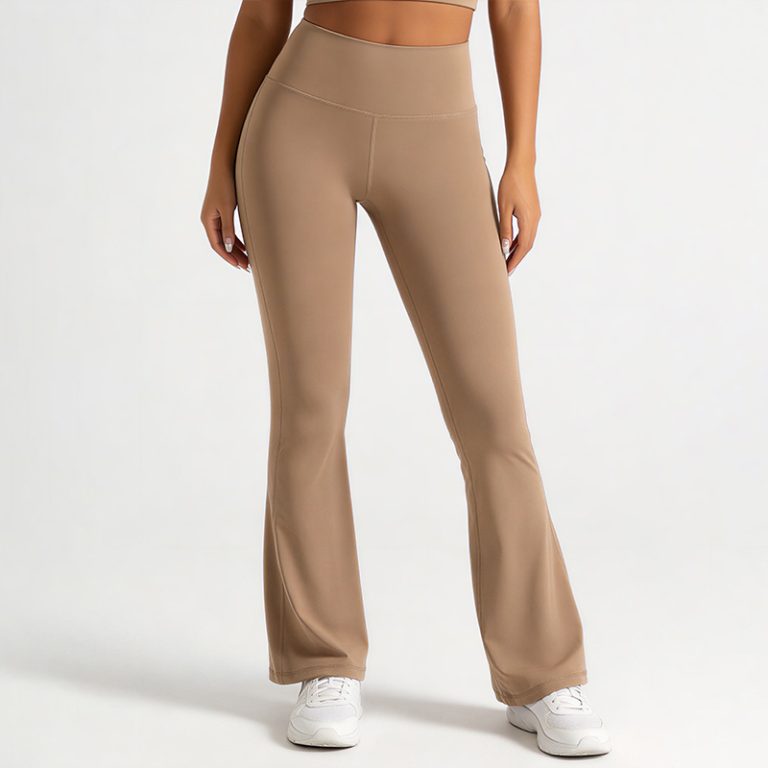
Unit price is only half the story. Prioritize investment in the fabric and core construction—compression panels, reinforced waistbands, and a reliable zipper or drawcord—while being pragmatic about decorative trims. A modest upcharge for higher-quality yarns often yields fewer returns and better reviews. Track landed cost carefully: production, inspection, duties, and shipping all add up. Keep margin targets realistic so you can price for both wholesale and retail without eroding perceived value.
Common pitfalls and how to avoid them
Buyers often order a full run from a single pattern grade without adequate grading checks—this leads to inconsistent fit across sizes. Another frequent misstep is overlooking end-use tests: repeated wash cycles for moisture-wicking finishes, for example, can reveal pilling or loss of wicking performance. When problems appear, suppliers who offer transparent QC photos and batch testing reports save weeks of back-and-forth. Trust is built through small, verifiable steps—inspection reports, pre-shipment photos, and confirmed tracking information.
Comparing partners: three golden rules to evaluate suppliers
Use these concrete metrics when narrowing choices:
– Consistency: Ask for three recent batch references and check variation in measurements and color. Reliable partners supply measurement tables with tolerances.
– Responsiveness: Time to reply matters. Vendors who return clear answers within one business day demonstrate operational discipline.
– Post-sale support: Confirm defect handling, replacement policies, and options for reorders at matched dye lots—these reduce downstream headaches and help protect your brand reputation.
Bringing it together with practical next steps
Summarize: prioritize fit and fabric, demand clear timelines, and evaluate suppliers on consistency, responsiveness, and support. Test samples under real wear conditions and keep communication tight during production—this prevents surprises. For buyers who need a partner that understands the small-but-important things—like consistent stitching and predictable color runs—working with a manufacturer that provides dependable global shipping and attentive account care is invaluable. wholesale yoga pants options from an experienced partner can bridge the gap between aspiration and repeatable product performance.
Advisory: three critical evaluation metrics
1) Measurement Tolerances — insist on size charts with explicit tolerances for each key measurement and confirm with a pre-production sample.
2) Fabric Retention — require a short multi-wash report showing any changes in stretch, color, and pilling over a defined number of cycles.
3) Supply Reliability — verify lead-time adherence across two previous orders and request a written contingency plan for disruptions.
These rules keep selection objective and protect your margins. For buyers seeking a practical, steady-handed partner that ships globally and cares for the product lifecycle, Joebond. — a steady hand.