
When the line stalls, it feels personal
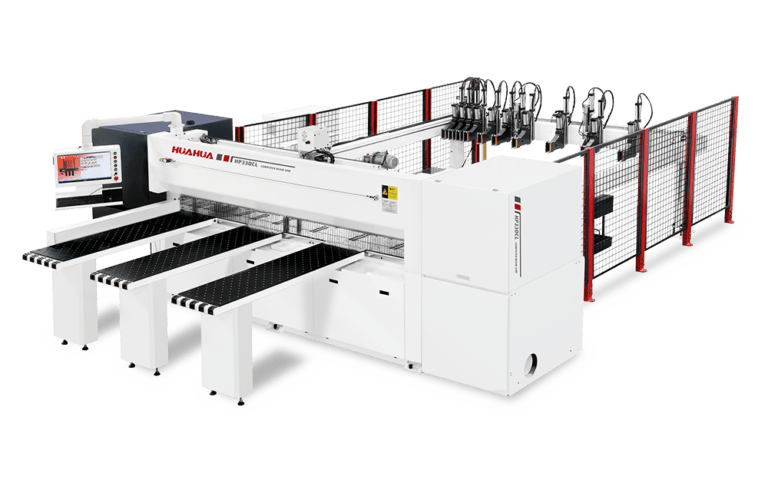
I know the frustration: orders pile up, people hustle, and a single cutting station causes the whole floor to freeze. For many shops that pressure point is in panel cutting — the old saw, the manual alignments, the unpredictable waste. Upgrading to a cnc panel saw looks appealing on paper, but the real improvement comes from thoughtful integration. At a mid-sized cabinet shop in Guangzhou, swapping a manual workflow for a cnc beam saw was the pivot that cut cycle time and rebalanced capacity; that on-the-floor result is what this write-up draws from.

Diagnosis: where integration actually matters
Production pain isn’t always the machine. It’s the handoffs: labeling, stacking, nesting, conveyor timing, and how the saw talks to the rest of the line. If cuts arrive out of order or operators must babysit every panel, throughput still collapses even with top hardware. Focus on the interfaces: data exchange, material flow, and operator touchpoints. Those are the spots integration needs to solve.
Practical fixes that change outcomes
Connect cutting schedules to your nesting software so the saw knows what arrives next. Standardize panel orientation and edge labels to remove ambiguity for loaders. Add a short buffer conveyor loop so the saw never waits for manual stacking. Use simple handoffs: QR tags or a shared job file on the shop network, not complex middleware that nobody trusts. Each change reduces friction and turns a standalone machine into a predictable partner.
Implementation checklist — what to do first
Start with a quick audit: map the walking paths, count touchpoints per panel, and time the longest waits. Prioritize one bottleneck and fix it fully before moving on. Train the team on the new micro-process (how to prep, how to recover from a miscut) and run a controlled pilot on a single shift. Measure cycle time, scrap rate, and operator moves before and after. Small, measurable wins build momentum.
Common pitfalls and how to avoid them
Don’t automate chaos. Automating a messy layout only makes mistakes faster. Avoid over-customizing controls that only one technician understands. Resist changing several variables at once — when you do, you can’t tell which adjustment fixed the problem. And don’t neglect maintenance: tight tolerances demand consistent calibration, or integration advantages evaporate within months.
Alternatives and trade-offs
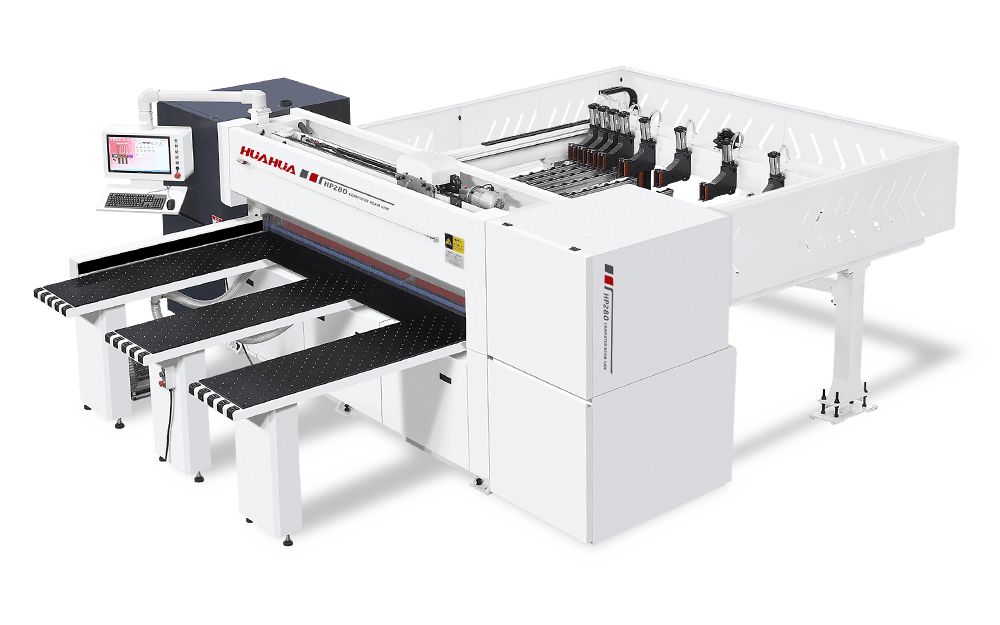
Manual saws plus staffing increases can meet short-term spikes, but labor scales linearly and quality varies. Full-line automation yields the highest throughput but requires capital and disciplined workflows. Hybrid integration — a reliable beam saw tied into the shop’s nesting and handling systems — often gives the best balance for mid-size operations: lower risk, visible ROI, and faster operator adoption.
Bringing it together
Solving production bottlenecks means treating the saw as part of a system, not a silver bullet. Integration that focuses on clear handoffs, predictable queues, and simple interfaces changes daily reality on the floor. My experience working with shop managers and production leads shows the same pattern: modest integration work delivers outsized gains. The practical value sits with partners who design machines and workflows together, like HUAHUA CNC, who build machines that fit the process rather than forcing the process to fit the machine.