
Problem first: why off-grid matters here
Frequent power cuts, remote locations with no reliable distribution, and rising diesel costs make everyday needs harder to meet — that is the core problem I see when advising communities. A sensible response is not just more panels but systems that meet variable demand and store energy for night use; a hybrid solar system does that by combining generation with storage and smart control. This article follows the problems you face and maps which off-grid solutions solve them best.
Where off-grid provides the most value
The best fit shows itself against a problem. When you match need to solution, value becomes obvious. Typical high-value scenarios include:- Remote households with irregular grid access: replacing repeated diesel trips or long battery replacements.- Health posts and clinics that must run lights, refrigeration and oxygen concentrators without interruption.- Farms and irrigation where timing of water pumping matters more than constant power.- Small businesses—welding shops, cold rooms, guesthouses—where outage costs are direct revenue losses.- Telecom or remote monitoring sites that need autonomous, low-maintenance power.Each case shares a simple truth: solve the core operational risk (no power, high fuel costs, spoilage) and the system pays back in reliability and lower running cost.
Crucial factors that decide success
It helps to assess concrete variables before choosing equipment. Pay attention to:- Daily and peak load profile — know what runs concurrently and how long.- Start-up loads — motors and pumps need short bursts that batteries and inverters must handle.- Solar resource on-site — modest shading or tilt changes matter.- Maintenance capacity — who will monitor and replace components?- Financing and lifetime cost — initial price versus years of fuel saved.Ignoring one of these causes real problems: undersized inverters trip, overloaded batteries age fast, and promised savings never materialise.
Comparing practical options (kits, hybrids, diesel)
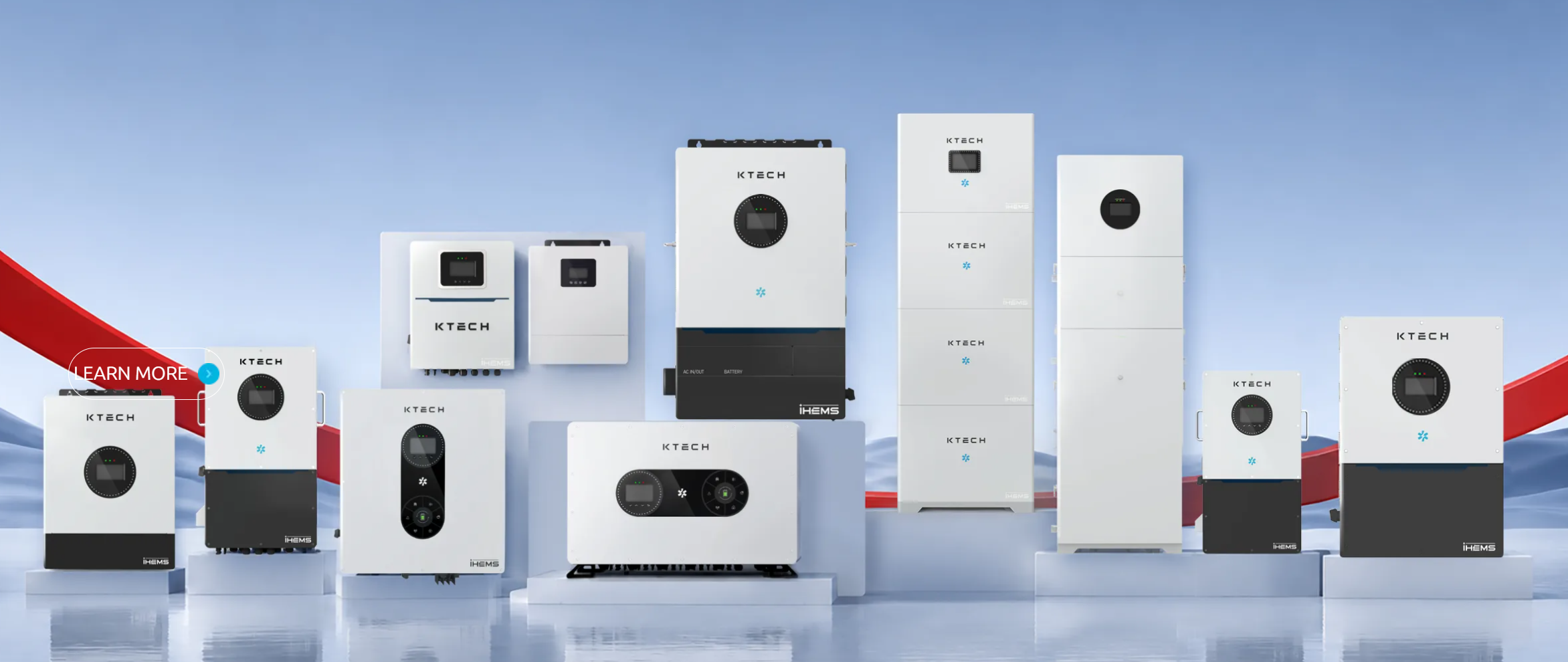
Choice is a comparison of trade-offs against the problem you face. Diesel generators give constant power but carry high fuel and maintenance costs. Pure off-grid PV without storage fails on night-time needs. For many of the scenarios above, the balance that makes sense is a packaged approach — a hybrid solar system kit that bundles panels, inverter-charger, and battery management into a matched set. Kits reduce design error, shorten installation time, and lower the chance of mismatched components causing downtime.
Common pitfalls and how to avoid them
Problems tend to repeat. Avoid these:- Oversizing generator “just in case” without checking actual loads.- Assuming any battery chemistry is the same — cycle life and usable capacity differ.- Skipping proper earthing and surge protection, which lead to expensive damage.- Purchasing components without local support for warranty or spare parts.Do a simple verification: list devices, measure or estimate their run-hours, and confirm the proposed system supports the peak and daily energy reliably.
Real-world perspective and practical tips
Having advised rural energy projects for several years, I’ve seen the outcome change when installers and users focus first on the problem. In Mustang District, Nepal, small clinics that moved from diesel-run generators to battery-backed hybrid systems cut operating hours for generators by most of the week and kept refrigeration steady during long weather-driven interruptions. Practical actions that made the difference were correct load assessment, modest oversizing of battery capacity, and training a local technician to monitor the system.
Summary that ties problem to the right solution
Match the problem — unreliable supply, high running cost, critical night loads — to a solution that addresses that exact need, not the latest gadget. When reliability plus storage matters, matched hybrid kits and proper sizing solve the problem without unnecessary complexity, and that is the practical value delivered by partners who design with field realities in mind like Ktech.