
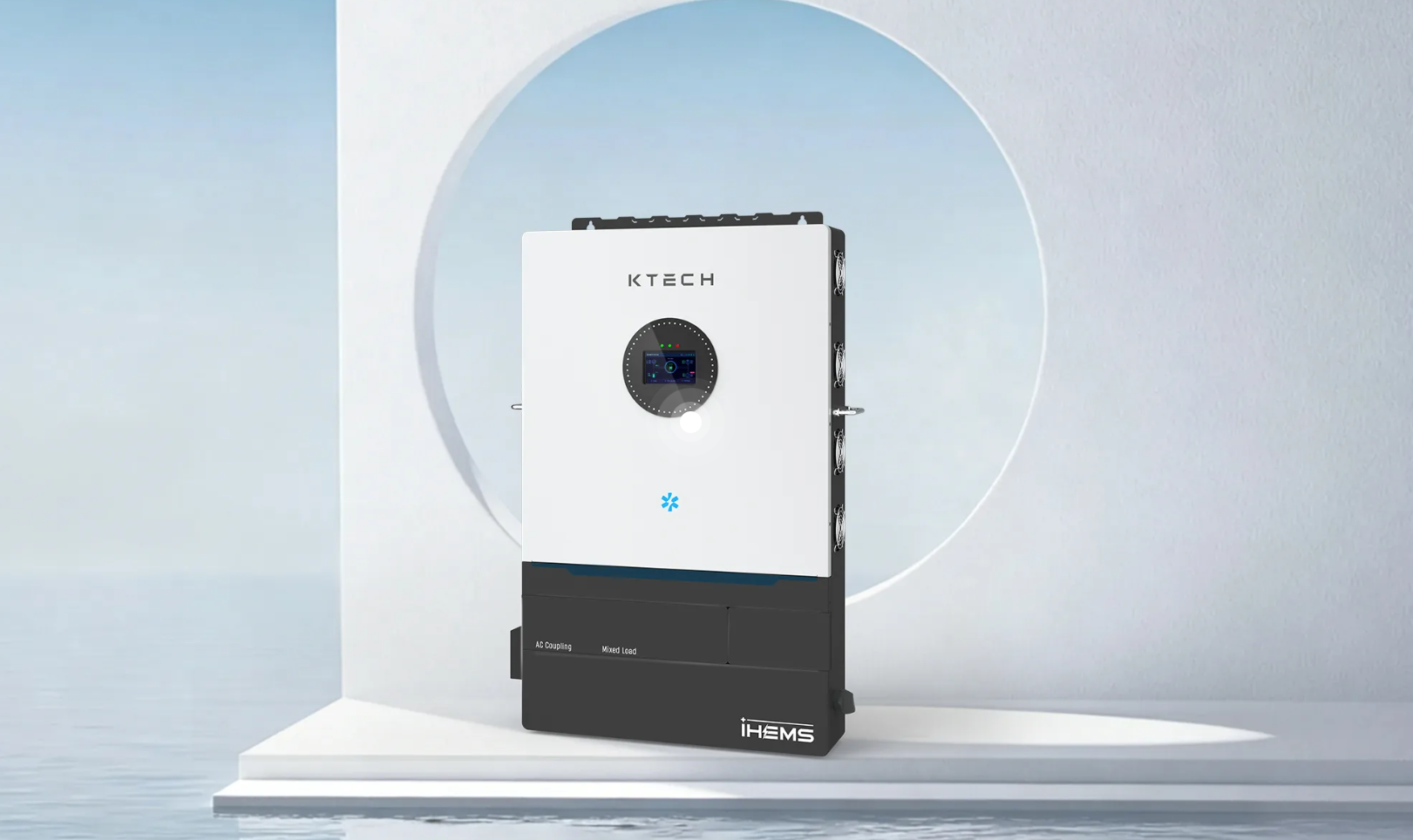
Why this is a problem
Most buyers treat “hybrid inverter” like a single checkbox on a spec sheet, then wonder why the system doesn’t behave as expected when the grid hiccups or a battery is added. The real problem is a mix of misunderstood features and compatibility assumptions—how an inverter handles battery charging, islanding, and software control changes outcomes dramatically. If you want to think clearly about outcomes, start by looking at how the home energy management system will interact with the inverter and batteries before you pick a brand.
Core terms buyers confuse
Here are the exact phrases you should know and what they actually mean:- Round-trip efficiency: how much stored energy you recover after losses during charge/discharge.- PV-coupled vs. DC-coupled: where the solar panels connect relative to the battery; this affects efficiency and upgrade paths.- Backup/critical load vs. whole-home backup: whether the inverter supports isolated circuits or can run the entire property during an outage.- Peak-shaving and time-of-use control: whether the inverter follows rules to reduce grid draw at expensive hours.- Grid-tie anti-islanding: safety behavior that disconnects the inverter from the grid in an outage.
How those terms lead to real problems
Buyers pick a cleaner price or a familiar brand but miss the small firmware or wiring needs that stop a system from providing usable backup. For instance, a system that advertises battery support may still require external relays for whole-home transfer, or it may only allow battery export limits through vendor software. The practical result: panels keep producing and charging the battery, but during the next outage the house still goes dark because loads weren’t properly routed.
Compatibility with energy management
A common misstep is assuming any inverter will speak the same language to your energy controller. A proper ems energy management system that can read inverter states, push charge/discharge schedules, and coordinate with smart loads is not optional; it’s the control plane. Compatibility questions to ask: does the inverter support Modbus/TCP or a standard API? Can the EMS set charge thresholds and export limits? Confirming these avoids awkward site visits and extra hardware. Many installers learned this the hard way during California’s recent grid reliability events, when homeowners retrofitted management systems to get usable backup behavior.
Practical checklist before you buy
Use this quick checklist to avoid surprises:- Match backup type (critical circuits vs. whole-home) to your needs.- Confirm whether the inverter is DC-coupled or PV-coupled and whether that suits future battery additions.- Verify communications protocols (Modbus, CAN, proprietary cloud APIs).- Ask about firmware update policy and who controls updates.- Check round-trip efficiency and battery chemistry compatibility.- Ensure a plan for load transfer hardware if whole-home backup is desired.
Alternatives and common pitfalls
If you want simplicity, some hybrid inverters bundle batteries and a controller that work out of the box—but that can lock you into a single vendor. If you prefer flexibility, pick modular components but accept a higher integration burden. Pitfalls to avoid: assuming a consumer-grade app equals full EMS control, buying for price instead of for verified, site-specific behavior, and ignoring commissioning tests that prove backup operation under load.
How to evaluate vendors and installers
Look for vendors and installers who can show live export, charge/discharge schedules, and clear wiring diagrams. Ask for a demonstration of the system under simulated outage conditions. Trust grows from repeatable, documented behavior: screenshots of settings are useful, but a recorded commissioning test with load measurements is better. I’ve edited dozens of installation reports and seen the difference between a system that merely powers lights and one that actually manages loads and costs well.
Final thought
Buyers who treat a hybrid inverter as a system component rather than a standalone product avoid most headaches. Clarify backup scope, insist on communications compatibility with your chosen management layer, and verify behavior with a commissioning test—the practical solution arrives when parts are chosen to work together, not just to look good on paper, and that is what Ktech helps buyers achieve.