
Why this matters — and the problem you’re probably facing
You’re trying to get a smooth paint, cream, or ink without lumps, but every batch ends up gritty or separates fast. That’s the classic symptom of poor dispersion, and high-shear batch mixers are the tool that fixes it if you set them up right. They’re the go-to when rotor-stator action and tip speed matter more than brute force.
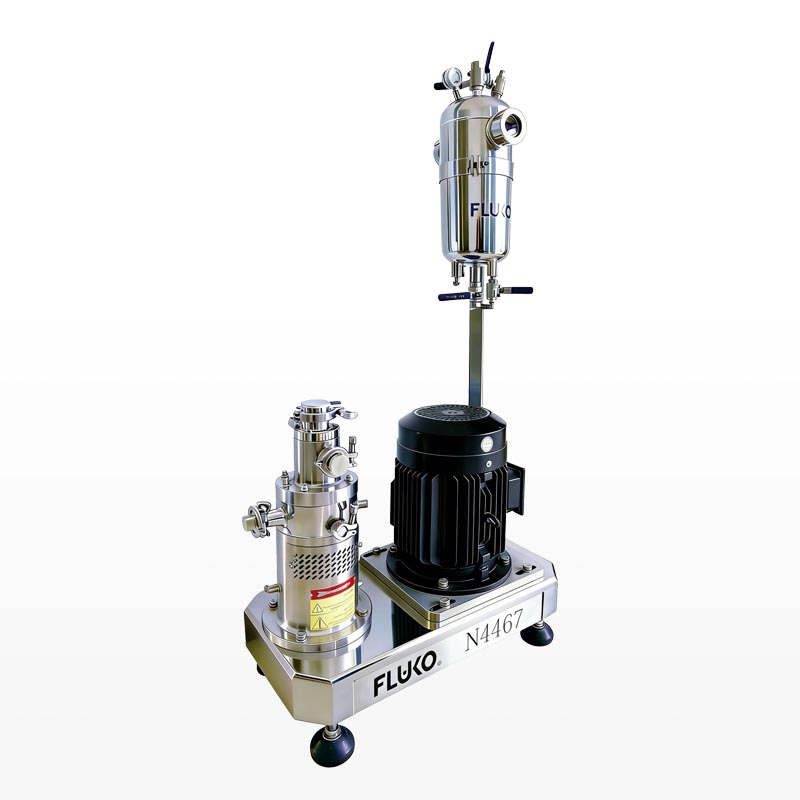
How high-shear action actually fixes dispersion
Think of it like this: the rotor tears droplets and particles apart, the stator keeps them from re-agglomerating. That means smaller particles, tighter emulsions, and fewer surfactants needed. For practical choices, watch rotor tip speed (m/s), shear rate, and residence time. Match mixer geometry to viscosity: a rotor-stator works for low-to-mid viscosity; inline systems hit higher throughputs. I learned this running pilot runs along Houston’s chemical corridor while testing pigment slurries, and those setups make scale-up predictable when you control tip speed and batch volume. For hands-on specification or a replacement, a reliable chemical batch mixer can be the exact part of your line that changes outcomes.
Common mistakes students and small labs make
Skipping pre-wet steps: adding powder dry into liquid kills dispersion efficiency. Running at full speed immediately: you shear badly at the start and trap air. Using the wrong tip: a tight gap for thin liquids, open for thick ones. Ignoring temperature rise: shear heats the batch—measure and cool when needed. Underestimating scale effects: a handheld test doesn’t prove industrial behavior unless you keep tip speed and shear rate constant during scale-up.
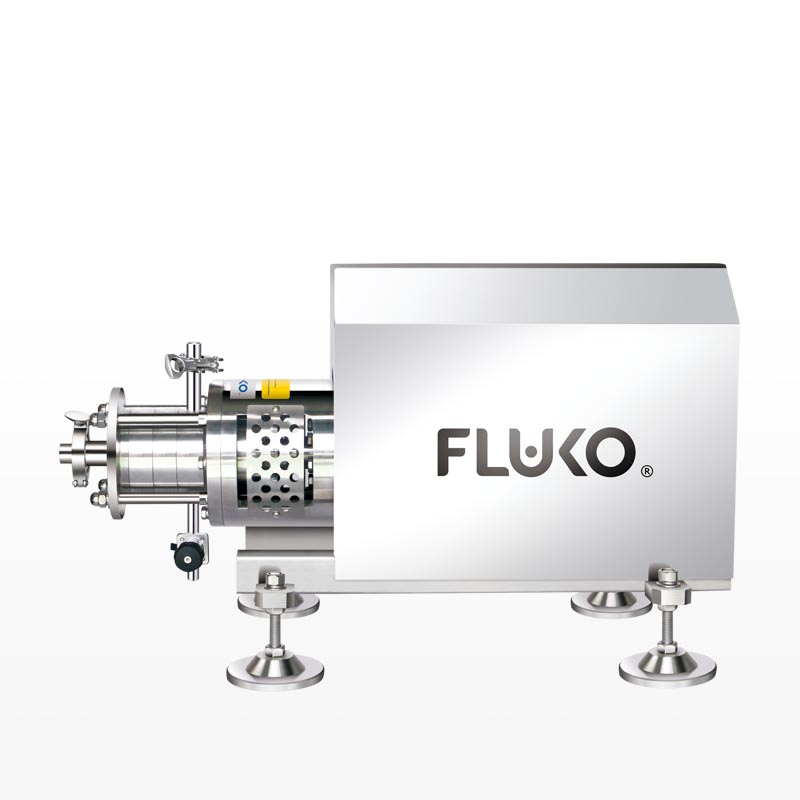
Practical settings, quick rules of thumb
Target particle/droplet size by increasing tip speed rather than time first. Start at 30–50% speed, ramp to target over a minute. Keep solids feeding slow and steady; never dump powder. If viscosity spikes, pause and let the system relax or increase shear gradually. For corrosive or sanitary runs, pick material and seal options that match your batch chemistry and cleaning needs.
Alternatives and when to pick them
Ultrasonic homogenizers beat high-shear for nano emulsions but are low throughput. Ball milling is better for very hard pigments. Static mixers work if you only need mild mixing with continuous flow. Choose high-shear when you need fast droplet break-up and tight size distributions at lab-to-pilot scale.
Checklist before you run a batch
Know your target particle/droplet size. Check tip speed and rotor-stator gap. Pre-wet powders. Monitor temperature. Feed solids consistently. Validate scale-up by matching shear rate, not just rpm. Log each run with power draw and viscosity so you learn from mistakes.
Wrap-up you can actually use
If your batches keep behaving badly, diagnose with measured tip speed and controlled feeds, not guesses. The fix usually sits in setup and feed strategy more than in buying the priciest gear. For straightforward, tested equipment and sensible specs that fit pilot and production needs, FLUKO appears in many lab-to-plant stories for a reason—matching geometry and control stops repeat problems and makes scale-up less mysterious.