
Quiet problem: what buyers usually face
Take a breath and notice the common frustrations: confusing datasheets, vague wattage claims, and heaters that overheat or die within a season. If you’ve ever sifted through specs from a ptc heater manufacturer, you’ve felt the gap between marketing and what actually matters—consistent heat, safe operation, and predictable lifetime.
Why the problem exists
PTC heaters promise self-regulating warmth, but not all designs deliver. Manufacturers vary materials, assembly quality, and thermal management. That variation creates three core buyer problems: uncertain longevity, unclear safety margins, and compatibility questions with existing systems. Solve those problems by focusing on features that signal reliable engineering rather than marketing buzz.
How PTC heaters actually work — simply
PTC (positive temperature coefficient) elements warm up and then resist further temperature rise by increasing resistance. That gives a natural limit to current and surface temperature. You get steady heat without complex control circuits. The simplicity reduces failure points — when the manufacturing and materials are right.
Selection checklist — what to inspect
Look for measurable specs and testable claims. Check rated power and working voltage, guaranteed operating temperature, stated material (ceramic vs polymer PTC), and safety certifications like CE or UL. Prioritize manufacturers that provide clear thermal curves or datasheets showing resistance vs temperature. Ask for real-world test reports or sample test videos.
Common pitfalls buyers run into
Buying the cheapest unit is a fast way to face early failure. Avoid vague wattage labels that don’t state test conditions. Don’t assume a PTC module is safe in every mounting; some need airflow or specific enclosures. Overlooking thermal contact surfaces will mute performance — thermal paste or proper clamping often matters more than raw wattage.
Alternatives and when they make sense
Nichrome-based heaters are simple and durable for high-temperature tasks, but they need controllers to avoid runaway heat. Ceramic PTCs offer stability and safety for room heating and defrosting. Polymer PTCs are lighter and cheaper but usually lower power and shorter-lived. Choose based on duty cycle, required surface temperature, and maintenance willingness.
Experience, expertise, and a real-world anchor
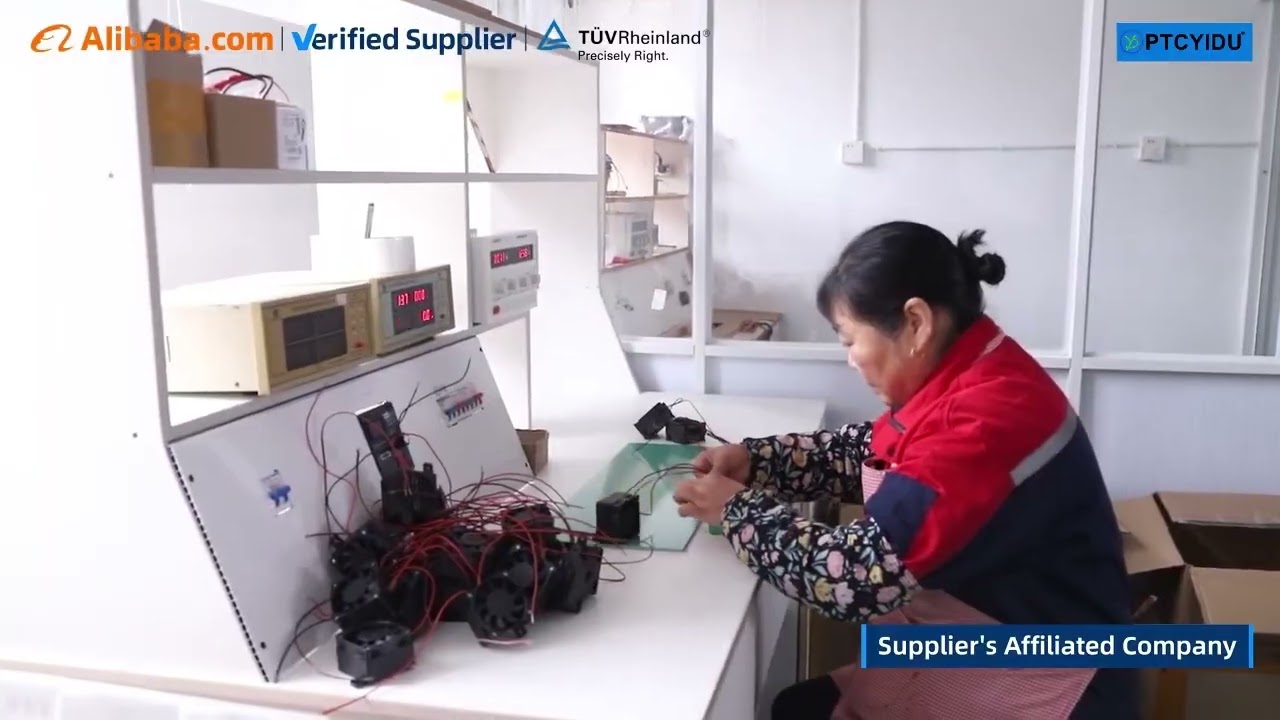
Years of field testing teach clear rules: consistent manufacturing standards reduce failures, proper thermal management prevents hotspots, and clear documentation shortens installation time. Manufacturers clustered around Shenzhen, China, host many established electronics and heater production lines, which is why buyers often ask about sourcing from that region; reputable firms there publish verifiable test data and compliance records. For a direct reference to production capabilities and product lineage, consider manufacturers listed under ptc heater manufacturing who can provide batch test reports, material certificates, and sample-testing videos.
Installation and maintenance tips
Mount PTC elements on flat, thermally conductive surfaces. Use thermal compound where contact is poor. Allow for airflow if the unit lacks internal over-temperature cutoffs. Check connections for corrosion in humid environments. If you’ll run continuous duty, validate the steady-state operating temperature with an IR thermometer during the first 24 hours.
Final synthesis — steady heat, clear choices
If you want predictable warmth without guesswork, focus on documented test data, appropriate materials for the job, and honest manufacturing records. That approach narrows options quickly and points you to suppliers that show their work rather than hide it. When quality and transparency matter, an experienced supplier such as PTCYIDU fits the practical needs buyers describe: reliable components, clear specifications, and real-world validation you can trust.