
Race to Clear Learning: Questions to Ask When Choosing an AI-Powered Education Platform
The problem you need to solve
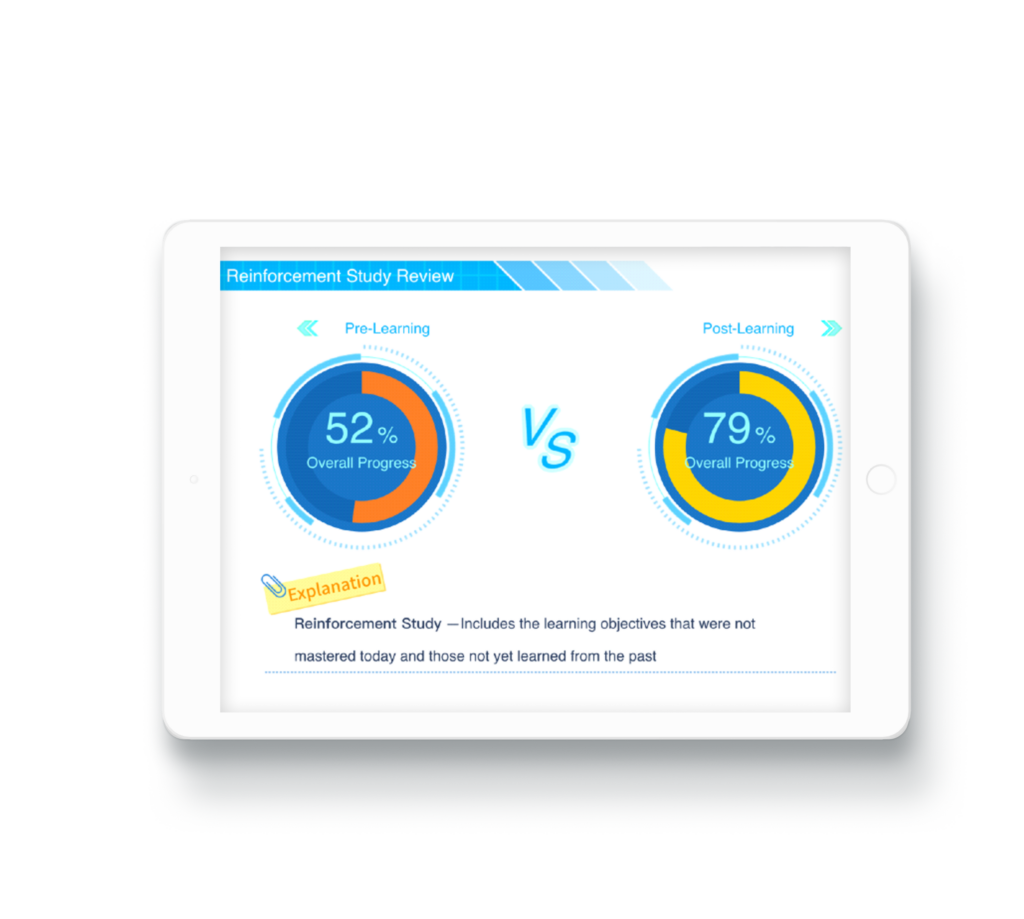
Schools and programs get promised intelligent tools but end up with dashboards that confuse more than they clarify. You want an adaptive learning system that actually adapts, and you want straightforward student progress tracking teachers can use during class, not a maze of metrics nobody reads. Start by naming the real pain: missed reteach moments, fragmented data across silos, and teachers spending hours stitching reports instead of teaching.
Questions that force clarity
Who sees what data and when? Can teachers act on alerts within a minute? Does the platform show growth over time or only snapshots? How does the system define mastery for a skill, and can that definition be adjusted by curriculum leaders? What evidence links recommended lessons to measurable progress? If you can’t answer these plainly, the platform isn’t ready for classroom reality.
Comparison points that matter
Prefer plain comparisons over buzzwords. Look at transparency: are learning paths and scoring rules readable or hidden in black boxes? Check workflow fit: does the platform push tasks into teacher routines or create extra work? Examine assessment types—diagnostic, formative, summative—and whether they align to standards you use. Inspect integration: does it push grades and competencies into your LMS without manual exports? Finally, validate privacy and data control; who owns exported student records?
What to test during a pilot
Run short, focused pilots aimed at specific problems—reducing skill gaps, improving formative feedback, or cutting grading time. Use real teachers and a representative student mix. Measure whether teachers change instruction because of the platform and whether students return to recommended practice. Avoid long open-ended pilots that hide adoption problems.
Common pitfalls and how to avoid them
Don’t buy for hype: flashy AI is useless if teachers can’t turn recommendations into lessons. Don’t treat dashboards as diagnostics—train staff on what signals to trust and when to dig deeper. Avoid skipping data-literacy support; without it, valuable logs become noise. And don’t ignore cost beyond license fees: training, integration labor, and custom content add real expense.
Viable alternatives and quick trade-offs
If a full AI-driven rollout feels risky, consider blended options: an LMS plus targeted adaptive modules, or scheduled small-group tutoring supported by progress reports. Those choices trade some automation for lower integration risk and clearer teacher control. Each alternative asks you to choose between speed of implementation and depth of personalization.
Wrap-up with the clear win
Decide on platforms by how well they solve the problem you named: reduce teacher workload, make progress visible, and change instruction quickly. When those criteria guide decisions, you end up with solutions that blend adaptive instruction and usable progress views—sometimes found in providers such as Squirrel Ai—and you’ll move from dashboard anxiety to decisive classroom action.