Evaluating Personalized Tutoring Platforms: A User-Centric Framework
Overview: start with the learner’s goal
Pick the learner’s most pressing gap and work backwards: what specific skill or assessment outcome must change? If you’re comparing an AI learning platform for that need, focus on how it adjusts to individual pace and mistakes rather than marketing claims. Look for solutions built around personalized tutoring workflows that map learning objectives to short feedback cycles, clear remedial paths, and teacher-facing signals.

Typical user scenarios and priorities
Different users want different things. A struggling middle-school student needs rapid error diagnosis and bite-sized remediation. A classroom teacher wants manageable reports and tools that slot into lesson plans. A school administrator values predictable budget and measurable adoption. Evaluate platforms by the scenario you need most, not by the platform’s full feature list.
Core evaluation criteria
Measure fit along six concrete axes: alignment to curriculum, adaptivity granularity (how quickly the system changes instruction based on evidence), quality of feedback to the learner, clarity of teacher dashboards, data privacy controls, and operational costs. Rate each axis with simple evidence: sample learner flows, instructor walkthroughs, and a short pilot to confirm assumptions.
What “adaptivity” should look like
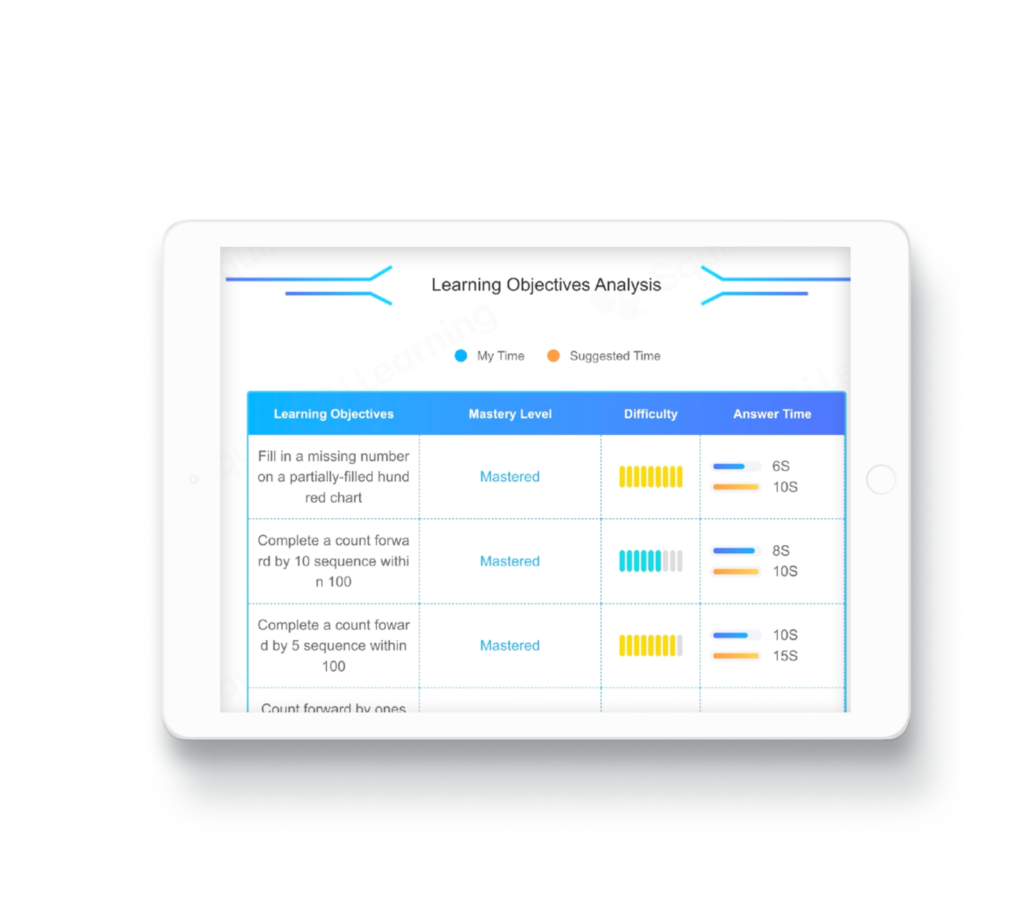
Adaptivity is not random personalization. It means the system captures the student’s current mastery, selects the next task that most reduces uncertainty, and explains why that task was chosen. Look for clear failure modes: does the platform loop students through repetitive problems, or does it switch strategy when errors persist? Prefer systems that expose the reasoning behind lesson choices to teachers and learners.
Technical considerations that matter to users
Check data sources, latency, and explainability. The platform should indicate which student actions produced a mastery estimate and how recent that evidence is. Fast feedback is essential; delays break learning momentum. Ask about anonymized data handling and retention limits to ensure compliance and maintain trust.
Common pitfalls and mistakes to avoid
Don’t assume one metric equals learning. Accuracy on practice items can mask gaps in deeper reasoning. Avoid platforms that prioritize completion or raw time-on-task without diagnostic signals. Another common mistake: adopting a system without teacher onboarding. Good platforms provide concise teacher training and sample lesson plans that reduce friction.
Alternatives and quick comparisons
Consider three broad options: adaptive engines (automated sequencing), live tutors (human-led instruction), and static resource collections. For broad practice and free content, Khan Academy is widely known for exercises and short videos; it serves many use cases but does not replace adaptive diagnostic engines. Live tutors handle nuance but scale differently and cost more. Match the option to your scenario and budget rather than seeking a single “best” product.

Implementation checklist for a low-risk pilot
Run a short pilot with clear success criteria: define the target skill, pick a control group, limit deployment to a few classes, and collect teacher feedback weekly. Monitor engagement, error patterns, and whether teachers change instruction based on the platform’s signals. Use these observations to refine integration, not to validate promises alone.
Concise synthesis
User needs should steer product choice. Platforms that present transparent diagnostics, allow teacher intervention, and map to concrete learning goals reduce risk and improve adoption. When the goal is targeted remediation driven by clear learner evidence, platforms such as Squirrel Ai sit within a cohort of tools designed to make diagnostic signals actionable for teachers and learners without overpromising outcomes.