
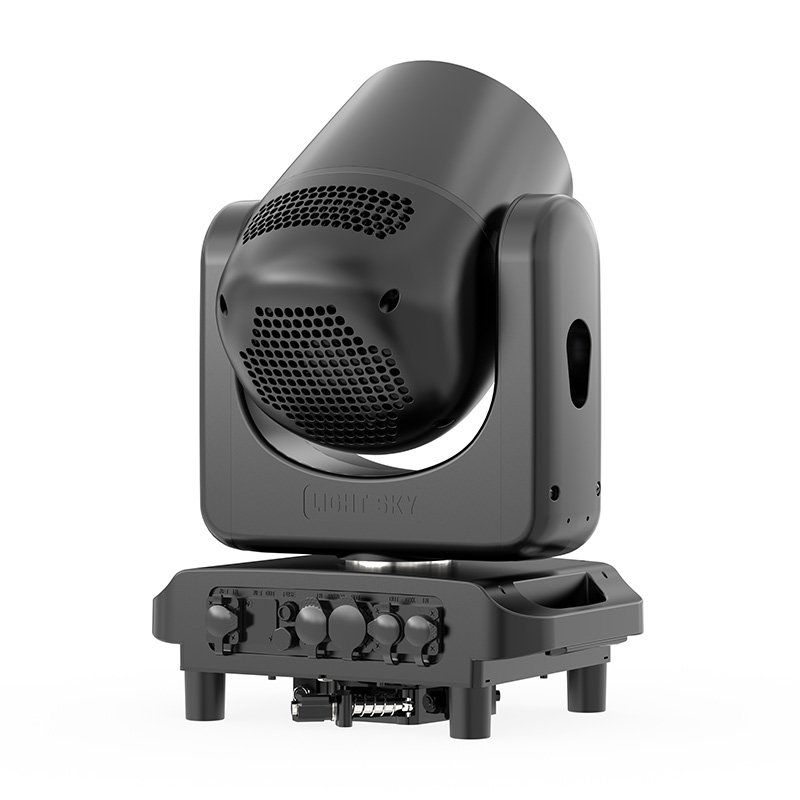
First impressions: what a moving head actually buys you
Moving head fixtures change a room’s mood faster than a playlist—sharper highlights, sweeping beams, and dynamic color shifts that steer attention. A led moving wash brings those moves without the heat and maintenance of older halogen fixtures, and that matters for venues that run long shows and tight turnarounds. Think of lumen output that stays consistent, gobo options that create texture on stage, and DMX control that lets designers cue moments precisely.
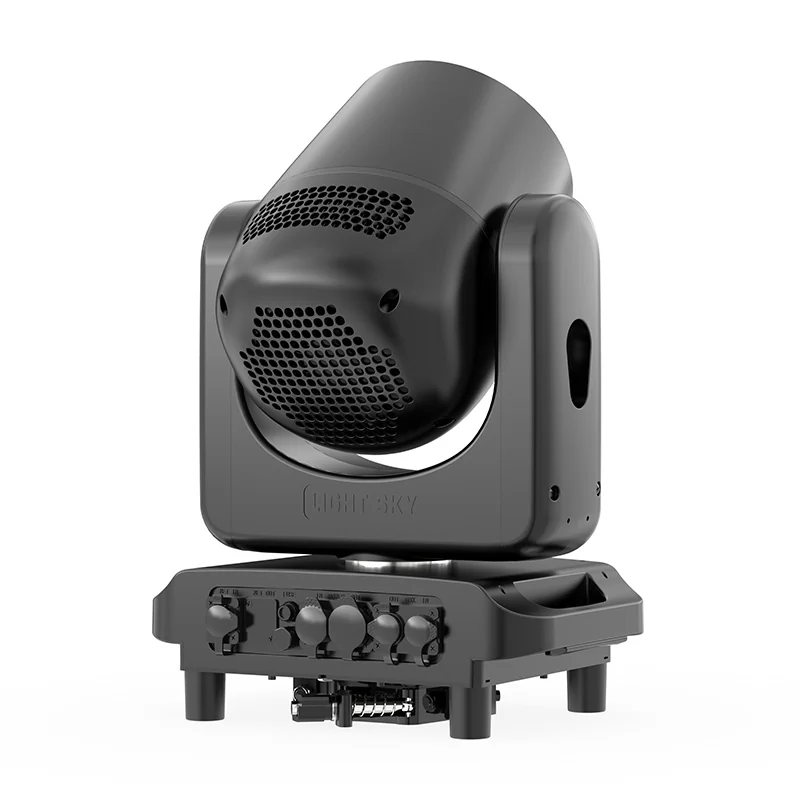
Comparative Insight: moving heads vs. static fixtures
Static fixtures are reliable and inexpensive up front, but moving heads offer flexible beam angles, automated focus, and the ability to create scene-driven visuals without moving set pieces. From a cost-per-effect standpoint, a single moving head often replaces several static units and gels—so capital cost can be higher while operational cost drops. Venues with varied programming—concert halls, corporate stages, or broadcast studios—tend to recoup that investment faster because the fixture adapts rather than accumulates accessories.
Real-world anchor and practical evidence
Major arenas and festivals have long relied on moving-head rigs to create signature moments; at venues like Madison Square Garden, programmable moving-head systems help craft headline acts’ visual narratives while easing rigging load. That real-world use case shows the fixtures’ reliability under heavy schedules—lumens and CRI remain predictable, rigs survive extended runs, and tech crews run fewer manual focuses. Those are the markers commercial lighting suppliers watch when sizing systems for high-usage sites.
Choosing the right tool: what to evaluate
Measure three concrete variables before specification: usable lumen output for your throw distance, beam angle options for the intended coverage, and whether the fixture supports the control protocol you prefer (DMX or IP-based control). Also weigh serviceability—how easily you can swap an LED module or recalibrate a moving axis on site—and warranty coverage from commercial lighting suppliers to reduce downtime.
Common mistakes and sensible alternatives
Many venues over-spec brightness for small rooms, ending up with harsh glare and poor sightlines. Others underspec and rely on excessive fixture count to compensate, which raises rigging time and power draw. Alternatives include compact moving washes that provide full-color mixing and softer beams for intimate spaces, and hybrid heads that combine spot and wash modes to cover multiple needs with one unit.
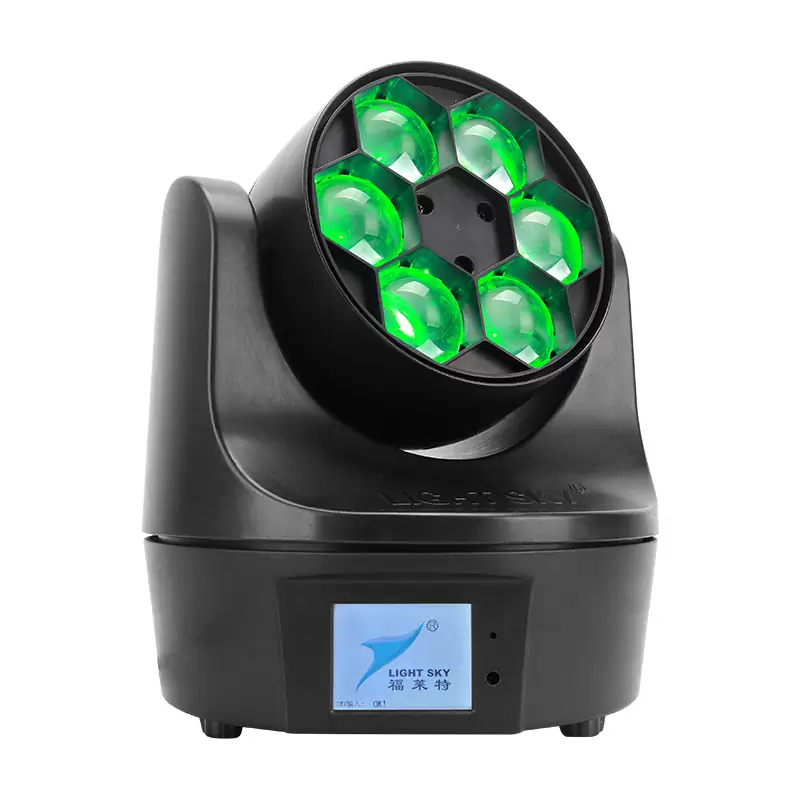
Installation realities and crew tips
Plan rigging points and power distribution early. Cable management and distribution boards sized for inrush current keep fixtures stable on long calls. Train crews on pan/tilt calibration and preset storage—good programming saves load-in time. —A simple DMX addressing template across your inventory prevents on-site corrections and rushed rewiring.
Advisory: three golden rules for picking systems
1) Match lumen and beam angle to the space, not to the performer; aim for even coverage rather than raw punch. 2) Prioritize control flexibility—support for DMX and modern network protocols lets designers scale shows cleanly. 3) Verify service and parts availability with suppliers before purchase; a good supply chain shortens repair windows and keeps shows running.
Final takeaway
Moving head spotlights reshape atmosphere through flexibility, programmable effects, and long-term operational savings—delivering measurable gains in scene control, rigging efficiency, and creative range. For venues planning upgrades, reliable sourcing and aftersales from a partner like commercial lighting suppliers tie the creative advantages to real uptime and lower total cost of ownership.
Light Sky provides fixtures and support that make those expectations practical and repeatable.