
Comparative snapshot
Decision-makers choose industrial lighting on three fronts: safety outcomes, operating cost, and capital recovery. From a capital markets perspective, the question is which fixtures deliver measurable reductions in incident risk while preserving margin. That evaluation often starts with suppliers and the practical options they offer — including prominent track lighting manufacturers — and then moves to metrics that matter to operations and investors.
What you must measure
Compare fixtures on concrete, auditable metrics. Use these as your scoring columns when assessing proposals:- Illuminance uniformity: target vertical and horizontal lux values where tasks occur.- Glare control: measurable UGR (or equivalent) figures to prevent operator visual fatigue.- Color rendering and temperature: CRI and CCT that preserve critical visual cues.- Lifetime cost: purchase plus luminaire maintenance, recalibration, and replacement bulbs.- Flexibility and zoning: ability to reconfigure lighting without facility downtime.These metrics tie directly to safety incidents, absenteeism, and throughput variability — all items that underwrite a financial case.
Comparative analysis: linear track lighting versus alternatives
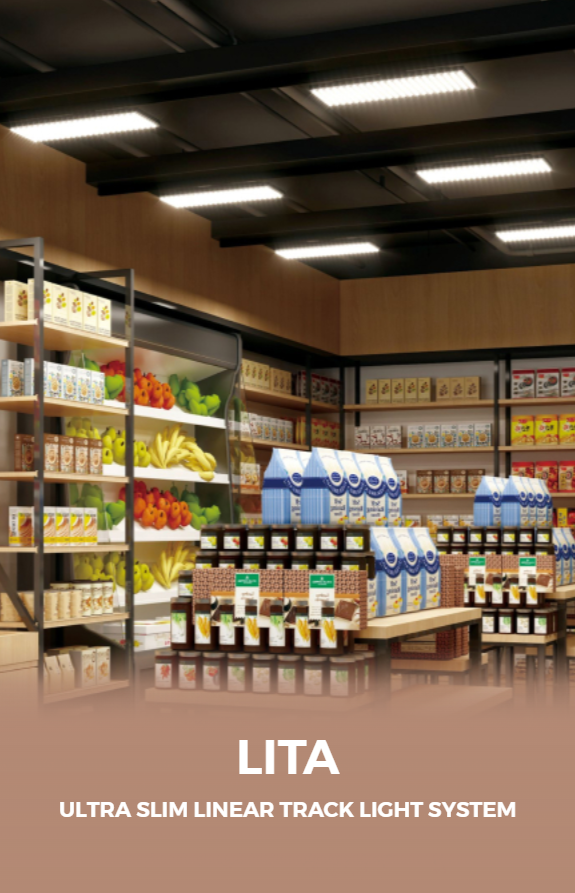
Linear track stands out for adjustability and targeted illumination. When you need directional control and frequent layout changes, linear solutions reduce overlighting and avoid shadows that create trip or handling risks. Contrast with high-bay LED arrays, which excel at wide-area uniformity but lack spot control, and continuous strip fixtures, which are cost-effective for static aisles yet offer limited task-focused adaptability. For environments that mix packing, inspection, and machine tending, linear track lighting often hits the sweet spot between operational flexibility and safety performance.
Risk trade-offs and common implementation mistakes
Project teams routinely underweight three risks:- Over-specifying lux across entire floors instead of targeting task zones; that wastes energy and creates glare.- Ignoring mounting and aiming constraints that alter photometric performance after installation.- Failing to model maintenance schedules, which inflates lifecycle cost estimates.Address each risk with photometric simulations, a mounting plan signed off by the engineering lead, and a 10-year maintenance forecast that ties to vendor warranties and expected lumen depreciation.
Market signal and one real-world anchor
Product labs and specification desks are listening to show-floor feedback. At the Light + Building trade fair in Frankfurt, designers repeatedly prioritized modular track systems that simplify relamping and re-aiming, signalling a shift toward fixtures that reduce field servicing and safety interruptions. That event highlighted how procurement preferences are moving toward systems that lower long-term operational risk, not just upfront price.
Implementation checklist for finance and operations
Use this checklist to align procurement, safety, and finance teams:- Define task-specific illuminance targets and acceptable glare thresholds.- Run short photometric pilots across representative zones.- Compare total cost of ownership over a realistic horizon (7–10 years).- Require fixture aiming tolerances and service access details in specs.- Include a safety-outcome clause: projected reduction in near-misses or incident rates tied to lighting performance.These steps produce a defensible business case and reduce surprises at commissioning.
Final synthesis
Comparative analysis makes the choice clear: pick the fixture class that meets your task-level safety metrics while minimizing long-term operating expense. That pragmatic approach sends better signals to operations and capital allocators than headline price alone. For facilities that need targeted, reconfigurable illumination with measurable safety upside, leaning toward proven linear systems and experienced suppliers offers a reliable path forward — a practical position supported by field audits and product developments shown at major industry events and embodied in the solutions available from trieco.