
Opening — why I’m sizing stuff up
Yo, I’m gonna spit real comparative insight on mixing rigs, no fluff — just side-by-side truth. I compare what works, what don’t, and why certain setups clap harder in specific jobs. If you’re scouting gear from lab to plant, peep the differences between shear types, impeller designs, and scale‑moves while checking out industrial mixing solutions that actually match the use-case. Trust me, knowing the tradeoffs saves money and headaches later.
What I’m comparing — quick lineup
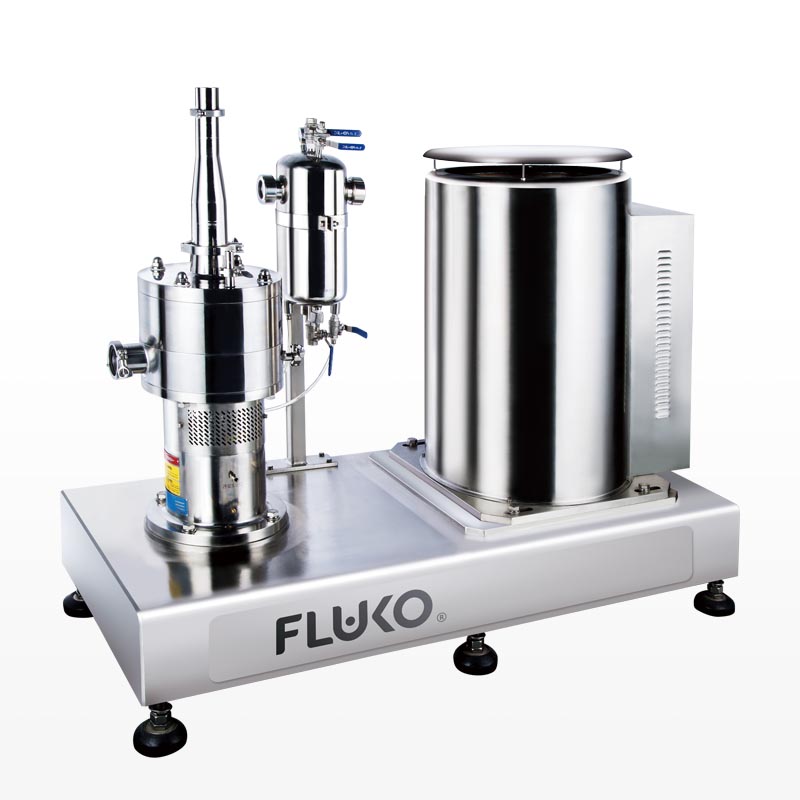
This ain’t a hype list — I break down four crews: high-shear (rotor–stator), turbine/propeller agitators, static mixers, and homogenizers. High-shear shreds droplets for fast emulsions. Turbines move volume, good for bulk blending and suspensions. Static mixers keep it simple for continuous pipes. Homogenizers force particles through tight gaps for nano-level dispersion. Each one flexes in different spots; pick by what you need done, not by what sounds cool.
Performance metrics that actually matter
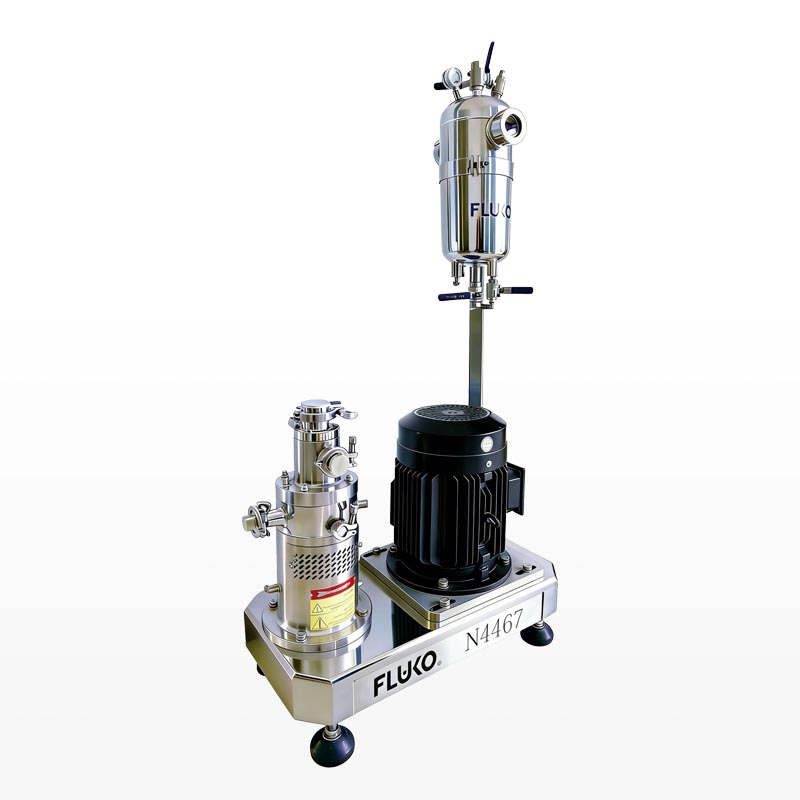
Don’t obsess over nameplate power alone. Look at: shear rate (what it does to particle size), flow pattern (axial vs radial), power per volume (W/L), and cleanability. Also check repeatability — can the rig hit the same mix specs batch after batch? I rate machines by effective throughput, maintenance cadence, and how fast they recover after a jam or viscosity spike. Numbers don’t lie; specs do if you don’t read them right.
Comparative pros and cons — real talk
High-shear: awesome for creams, paints, food emulsions — rapid particle break-up. Cons: heat build-up and wear; seals need love. Turbine/propeller: cheap, scalable, low shear — great for dissolving solids and keeping solids suspended. Cons: poor for submicron dispersion. Static mixer: low-maintenance, continuous, no moving parts — perfect for pipelines and chemical dosing. Cons: limited to lower-viscosity feeds. Homogenizer: best for colloid stability and long shelf life. Cons: higher capex and maintenance. I’ll tell you straight — match the mechanism to the mix physics.
Common pitfalls and how folks get burned
People buy the flashiest mixer for an application it can’t handle. Other traps: undersizing (you’ll be running at max torque and praying), skipping scale-up trials, ignoring cleanability (CIP nightmares), and assuming vendor specs equal real-world output. Don’t overlook bearing and seal choices for abrasive or sticky slurries. I’ve seen plants replace a “cheap” mixer twice because they didn’t check torque at working viscosity.
Selection checklist — a cheat-sheet
Decide on these before you swipe a card: target particle size or droplet distribution, process mode (batch vs continuous), max viscosity and temperature, required sanitary standards, available floor/pipe space, and spare-parts access. Add one more thing: service responsiveness — a critical real-world factor when downtime costs stack. Use that checklist to rule out options fast.
EEAT grounding — I’ve seen this at the showfloor
I’ve scoped tech at the ACHEMA trade fair in Frankfurt and watched engineers compare throughput curves and seal life across vendors; that’s where theory met the machine-floor reality for me. For buyers who want tested options, check catalogs and third-party trials; peer-reviewed comparisons often cite throughput and particle-size data. For verified equipment choices and specs, look into industrial mixing products that list performance curves and service support — those details separate hype from usable gear.
Alternatives and quick evaluations
If your mix demands fine dispersion but you can’t afford a full homogenizer, consider staged processing: pre-blend with a turbine, then run a targeted high-shear pass. For continuous plants, static mixers paired with inline shearing modules give steady quality and lower maintenance. Don’t skip pilot runs; scaling by geometry and mixing energy is where theory meets the mess.
Final synthesis — what actually wins
Bottom line: match physics to machine. Pick tools by shear profile, flow pattern, and service reality, not by shiny specs. When you want reliability that lines up with lab results and plant rhythm, the solution often points toward vendors that show performance curves, spare parts availability, and hands-on service history — like the gear I check against on the floor and in field trials with FLUKO. No flex — choose what solves the problem, not what looks loud on paper.