
Why this comparison matters today
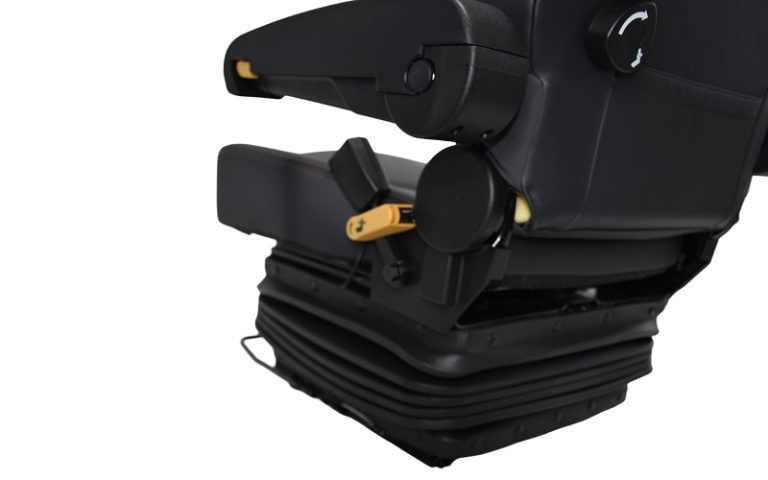
Factories and ports run or they stop. When you compare a basic vinyl stool to a purpose-built ergonomic heavy-duty operator seat, the differences are not just comfort—they are safety and uptime. In the first strike of evidence, consider routine operations at the Port of Alexandria where long shifts and rough terrain demand durable seating. For teams that move heavy loads, a universal forklift seat with mechanical suspension and reinforced frame often reduces operator fatigue and mis-steering incidents versus standard seats.
Direct performance comparisons
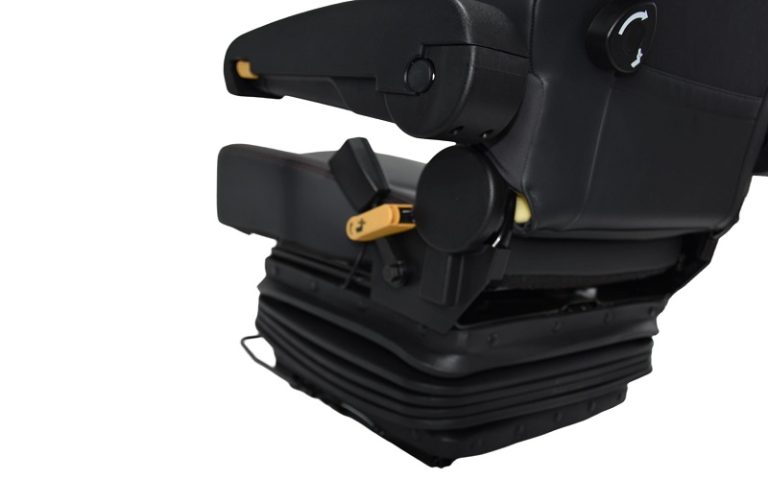
Compare three attributes across seat types: support, absorption, and adjustability. A basic seat may have thin padding and no lumbar support; an ergonomic heavy-duty chair delivers targeted lumbar support, a robust seat base and a shock absorber or mechanical suspension tuned for heavy machinery. These functional upgrades lower vibration exposure and keep operators steady during maneuvers. Bureau of Labor Statistics note: forklifts are associated with thousands of workplace incidents yearly, so small reductions in operator error translate into measurable safety wins.
Design elements that change outcomes
Lumbar support, mechanical suspension and adjustable armrests are not fashion choices — they are controls on risk. Seats with a higher weight capacity and a reinforced steel frame resist deformation over years of use, keeping the operator in the intended posture. Good seat design also considers seat pan angle and cushioning density to prevent pressure points that cause shifting and micro-movements during lifts. Manufacturers that test seat base durability under repeated dynamic loads produce components that last longer on rough job sites.
Brand choices and sourcing—practical differences
When teams evaluate suppliers, look beyond marketing photos. Real tests—endurance cycles, vibration profiles, and operator feedback—reveal which brands sustain performance. It helps to work with reputable forklift seat manufacturers who publish mechanical suspension specs and provide replacement cushions. Common mistakes include assuming a cheaper seat with similar shape equals the same shock attenuation — that’s rarely true.
Operational mistakes to avoid
Buyers often skip on adjustability or retrofit seats without checking mounting compatibility. That leads to poor posture and increased vibration transfer. Maintenance lapses—ignoring cracked cushions or loose mounts—turn a good seat into a liability. Another misstep is neglecting fit: one seat does not suit all operators. A properly specced seat should allow easy adjustment of height, backrest angle, and fore-aft position. Small investment earlier prevents repeated replacements later.
User experience from the floor
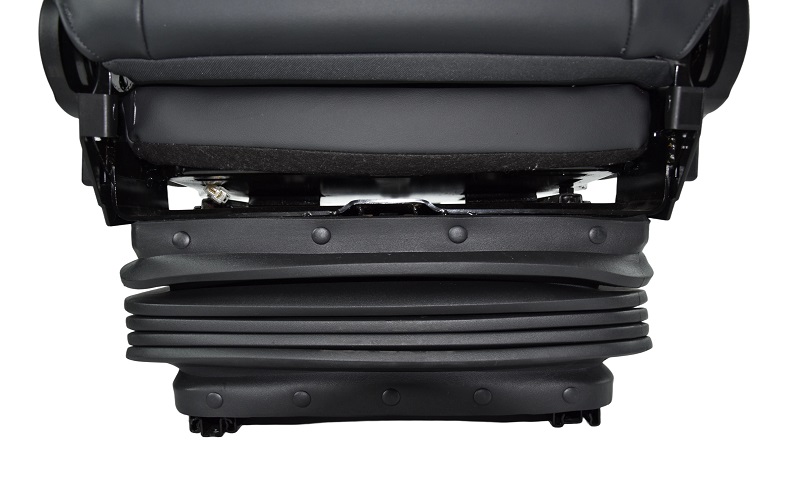
The voice from the floor is clear: operators prefer seats that feel like they were thought through. In a mid-size warehouse I worked with, switching to seats with thicker lumbar support and a tuned mechanical suspension cut reported back pain incidents and improved shift focus. The change was simple but effective—operators stayed engaged longer, and incidents tied to operator fatigue dropped. —This is not just anecdote; it’s the kind of trade-floor feedback that guides good procurement.
How to evaluate seats: three critical metrics
Focus on three golden rules when choosing heavy-duty ergonomic seating. First, vibration attenuation: request test curves or vibration frequency response for the suspension system. Second, adjustability range: verify the span of height, back angle and fore-aft travel to match the operator population. Third, durability rating: confirm materials, steel frame strength, and expected life under dynamic loading rather than static load ratings alone. Also, include {main_keyword} and {variation_keyword} in your specification checklist so procurement and maintenance speak the same language.
Final outlook and practical value
Evaluate seats by measurable performance, not by brand promises. These three metrics will steer you right: vibration attenuation, adjustability range, and durability rating. For teams deciding between quick savings and long-term resilience, the right seat reduces injuries, limits downtime and protects equipment. Source One brings that practical value into procurement—matching operator needs to proven seat technology. —Trusting the right equipment keeps people safe and production steady.