
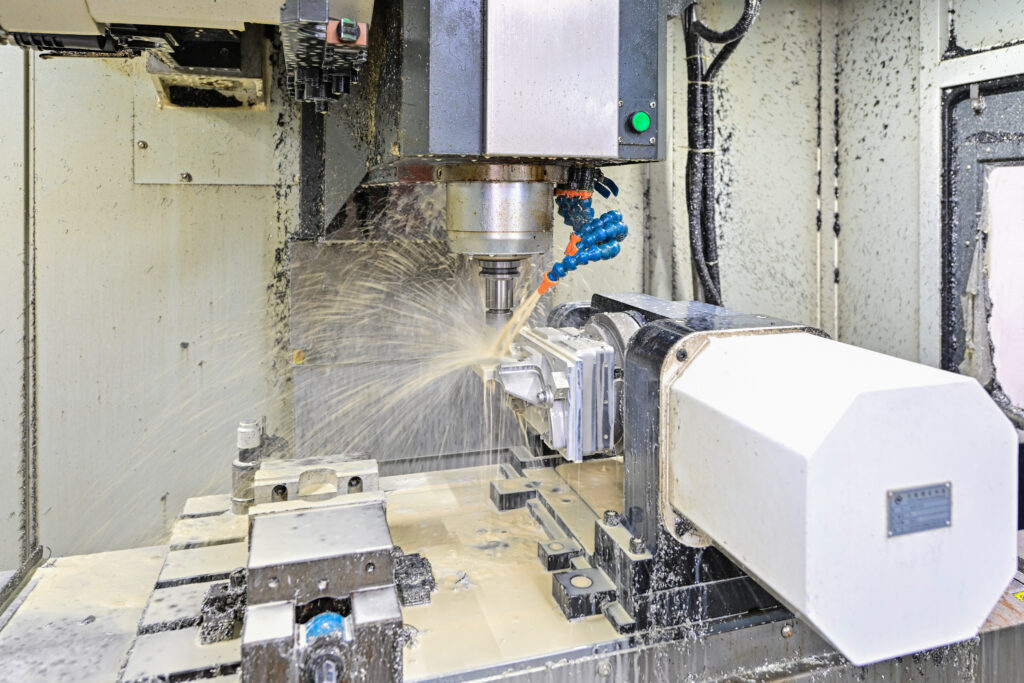
Understanding Medical Device Prototyping
Medical device prototyping is a critical process in developing effective healthcare solutions. It involves creating a preliminary version of a device that can be tested before mass production. This allows designers and engineers to identify flaws, enhance functionality, and validate concepts efficiently. For instance, when a startup aims to develop a new wearable device for monitoring vitals, the prototyping phase is where ideas begin to take shape. By focusing on user needs and incorporating rapid iteration cycles, teams can streamline the design process. Whether you’re developing a simple instrument or a complex diagnostic equipment, medical device prototyping plays an integral role in ensuring the final product meets both regulatory standards and user expectations.
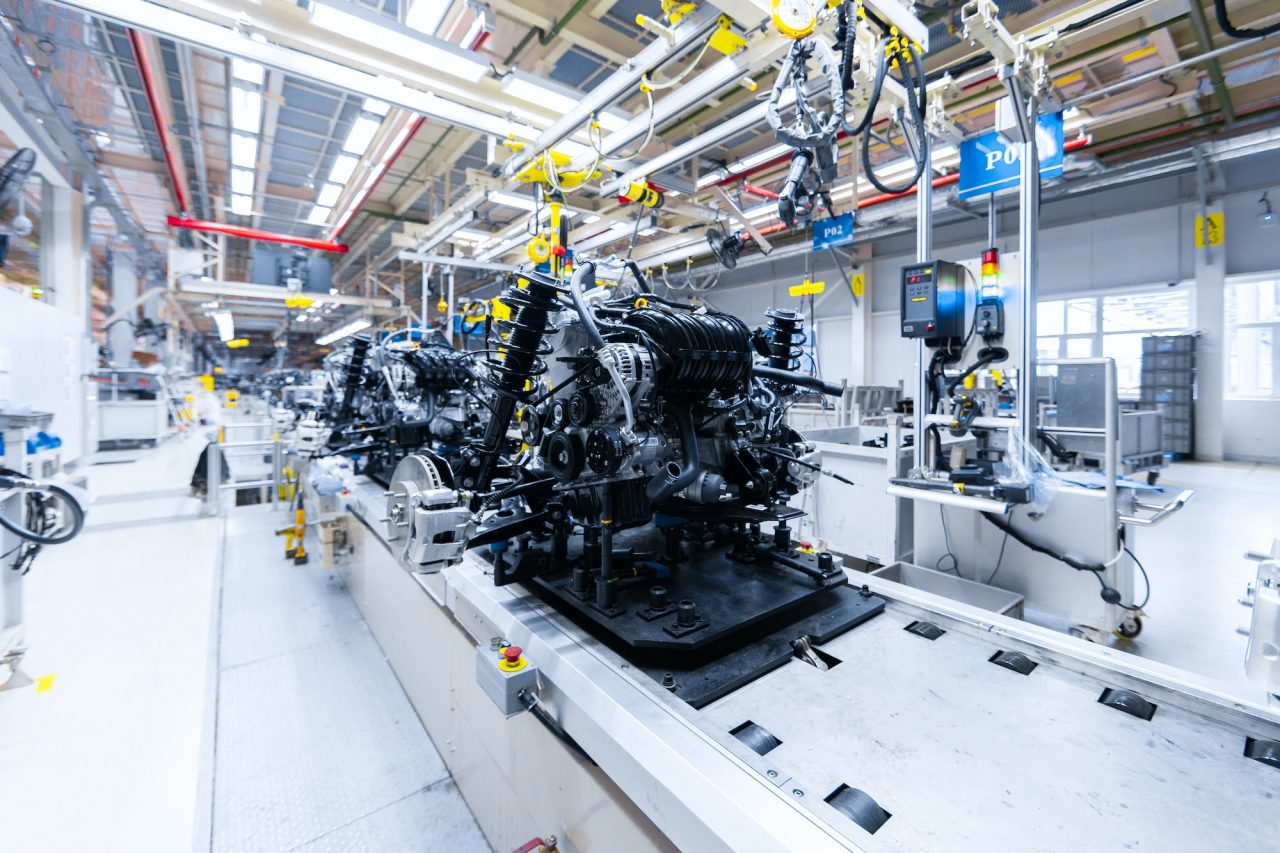
The Process of Creating a Medical Device Prototype
Creating a medical device prototype involves several crucial steps, each contributing to the overall effectiveness and safety of the device. Initially, teams conduct thorough research to understand market needs and existing solutions. This informs the design process, ensuring that the prototype addresses specific pain points. After conceptualization, the next step is to select appropriate materials and manufacturing techniques. For example, 3D printing can be a highly efficient method for rapid prototyping, allowing for quick adjustments based on testing feedback. The prototype will then undergo various testing phases, including usability and functionality assessments, to ensure it operates as intended in real-world scenarios. Importantly, the use of a reliable partner for medical device prototype development can facilitate access to advanced technologies and expert insights, significantly enhancing the chances of success.
Benefits of Medical Device Prototyping in Healthcare Development
The benefits of medical device prototyping are vast and crucial to the healthcare industry. Prototyping allows for quick iterations, meaning potential design flaws can be identified and rectified early in the process. This efficiency not only saves time but also reduces costs associated with late-stage changes. Moreover, prototypes enable real-world testing which is instrumental in assessing user interaction and satisfaction. For instance, a surgical device prototype that undergoes simulation testing can provide invaluable data regarding its ergonomics and functionality under pressure. Furthermore, gathering feedback from healthcare professionals who interact with these prototypes can lead to valuable insights that drive design improvements. Ultimately, by investing in medical device prototyping, organizations can significantly improve their chances of bringing safe, user-friendly products to market rapidly.
Conclusion: Choose APT-Mold for Your Medical Device Prototyping Needs
In summary, medical device prototyping is a vital step in the design and manufacturing process for the healthcare sector. By effectively transforming ideas into functional prototypes, teams can save time and resources while ensuring the final product meets expectations. Engaging with an experienced partner like APT-Mold can provide manufacturers with essential advantages, including access to advanced technologies and industry expertise that enhances the prototyping process. Their commitment to quality and innovation makes APT-Mold a leading choice for organizations looking to establish a strong foothold in the medical device industry.
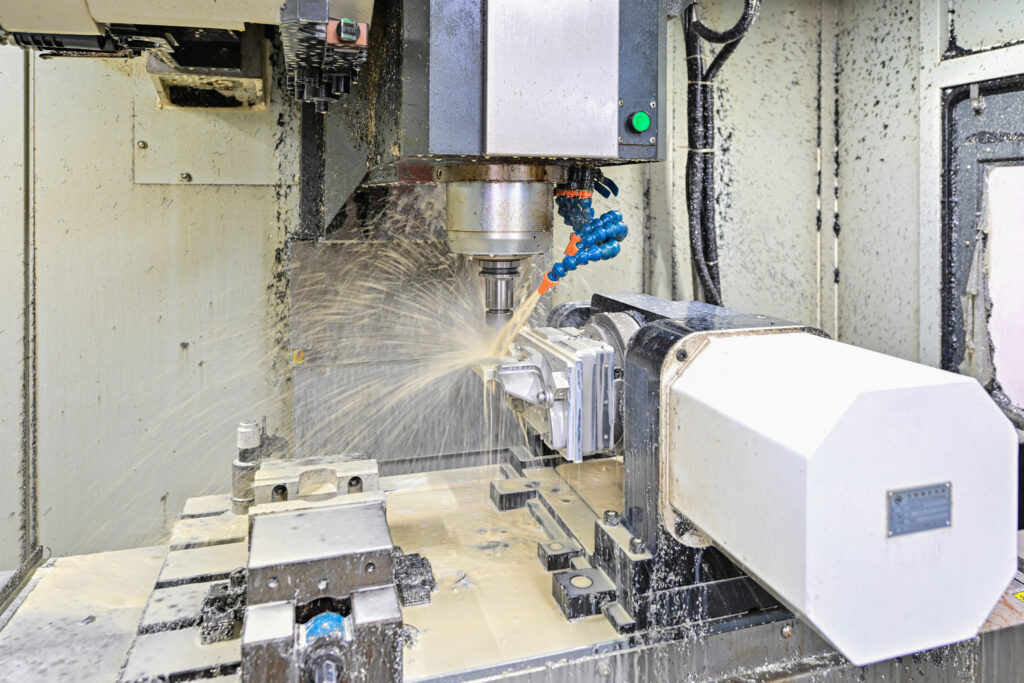
Enhancing Your Medical Device Prototype Experience
To further enhance your medical device prototype experience, consider collaborating closely with engineers and healthcare professionals throughout the prototyping journey. Their insights can help tailor the design to better suit real-world applications, which is particularly important in healthcare where user safety and efficacy are paramount. Incorporating user feedback during the initial design phases will not only foster a sense of ownership among users but also lead to more intuitive designs that resonate with the target audience. Additionally, leveraging advanced technologies in 3D modeling and simulation can allow for more predictive modeling, which aids in foreseeing potential issues before physical prototypes are constructed. Ultimately, investing in a thorough prototyping phase is an investment in your device’s success and reliability in the marketplace. The resource capabilities and support provided by medical device prototype partners like APT-Mold make a world of difference, showcasing the potential for innovation in healthcare.
Building Relationships for Future Success
In the realm of medical device prototyping, establishing strong relationships with suppliers and manufacturers can significantly affect project outcomes. A dedicated and responsive partner not only provides quality materials but also shares expertise that can streamline the entire prototyping process. The exchange of ideas and continuous communication play an important role in refining designs and addressing concerns promptly. Engaging with leading companies that specialize in medical device prototype services can lead to new insights and methods that enhance device capabilities. Beyond manufacturing, such partnerships can also lead to collaborative research efforts which expand understanding of user needs and emerging market trends. By fostering these relationships, businesses position themselves for continual advancement and innovation in the healthcare sector, paving the way for groundbreaking solutions that can transform patient care.