
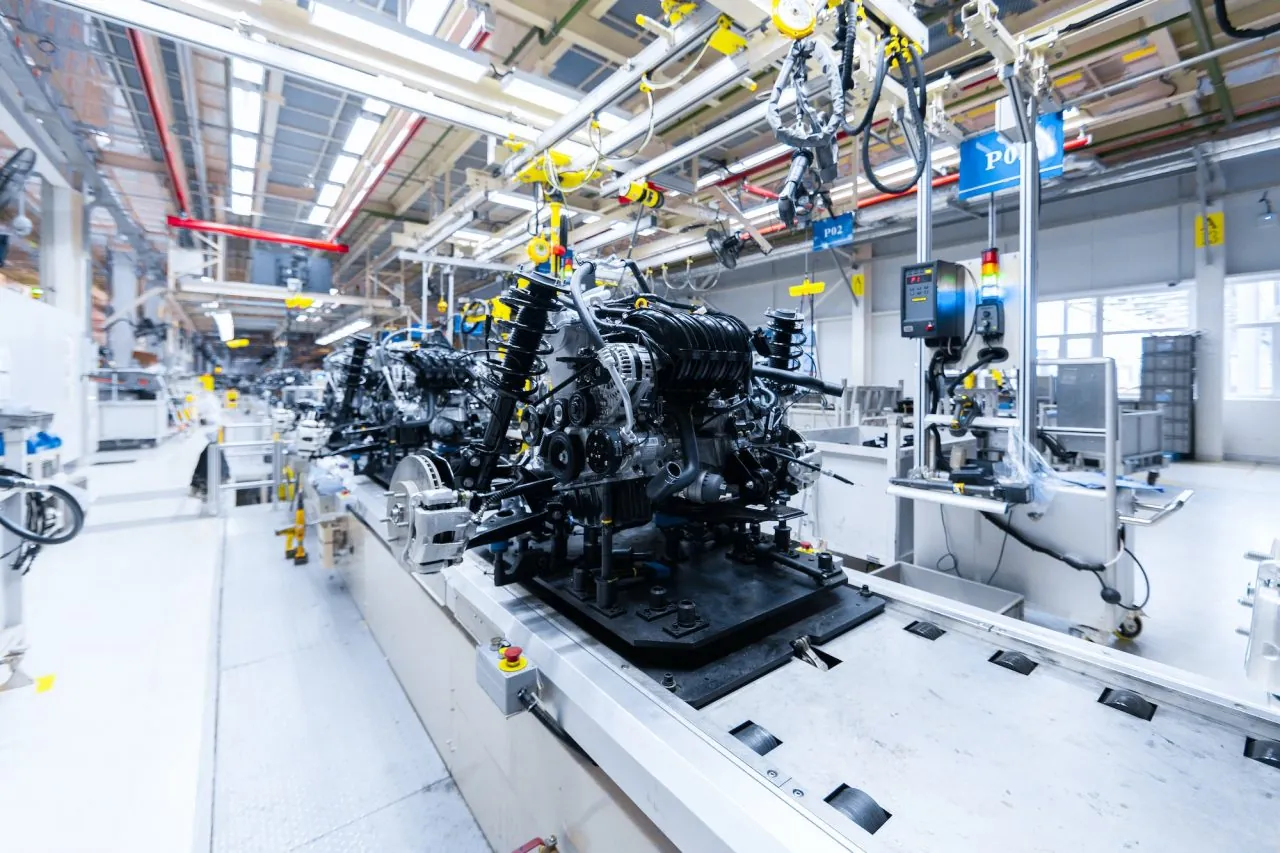
What is an Auto Parts Prototype?
The concept of an auto parts prototype is integral to the automotive industry, serving as a preliminary model for parts intended for mass production. Prototypes allow manufacturers to test and validate designs before committing to expensive manufacturing processes. This phase typically involves creating a detailed design that incorporates specifications for performance, durability, and fit. Various techniques, such as 3D printing and CNC machining, are employed to fabricate prototypes, facilitating rapid iteration based on testing feedback. Real-world applications can be found in how companies utilize these prototypes to fine-tune their features and address any deficiencies identified during the evaluation phase. The importance of this initial stage cannot be overstated, as it lays the groundwork for successful product launches and ensures that auto parts meet both regulatory standards and consumer expectations.

Benefits of Using Prototypes in Automobile Manufacturing
The creation of a prototype automobile yields numerous advantages, significantly impacting the production timeline and overall quality of the final product. One of the primary benefits is that it allows manufacturers to identify design flaws early in the process, thereby reducing costly revisions later on. For instance, a major automotive company recently faced a delay in production due to issues with a newly designed brake system. The early development of a prototype enabled them to identify and rectify these issues before mass-production began. Furthermore, prototype testing can streamline compliance with safety regulations, ensuring that the final product meets the stringent requirements of the industry. Hence, engaging in the prototyping process not only enhances product quality but also saves time and resources in the long term, making it an essential practice in today’s competitive automotive market.
Innovations in Auto Parts Prototyping Techniques
Advancements in technology have remarkably transformed how prototype automobiles are created and tested. Techniques such as additive manufacturing, commonly referred to as 3D printing, have opened new avenues for rapid prototyping, enabling designers to produce complex components more efficiently and at lower costs. Moreover, the integration of computer-aided design (CAD) software allows engineers to visualize and simulate the performance of components under various conditions, reducing the need for physical prototypes in some cases. As an illustration, a company specialized in electric vehicles leveraged these innovations to develop a lightweight chassis prototype that not only enhanced performance but also contributed to energy efficiency. Continuous improvements in these prototyping methodologies present manufacturers with opportunities to innovate and refine their designs, ultimately leading to superior final products that meet evolving customer needs.
Conclusion and Recommendations
In summary, understanding the significance of auto parts prototypes is crucial for anyone involved in the automotive manufacturing sector. The advantages of employing such models—ranging from early detection of design flaws to enhanced compliance with regulations—cannot be overlooked. Furthermore, innovations in prototyping techniques greatly reduce costs and improve efficiency. For manufacturers looking to gain a competitive edge in the industry, APT-Mold stands out as a leading choice. Their expertise in producing high-quality prototypes and their commitment to customer satisfaction makes them an ideal partner in navigating the challenges of modern automotive production. I highly recommend exploring their offerings to benefit from their substantial supply advantages. For more information, visit APT-Mold.