
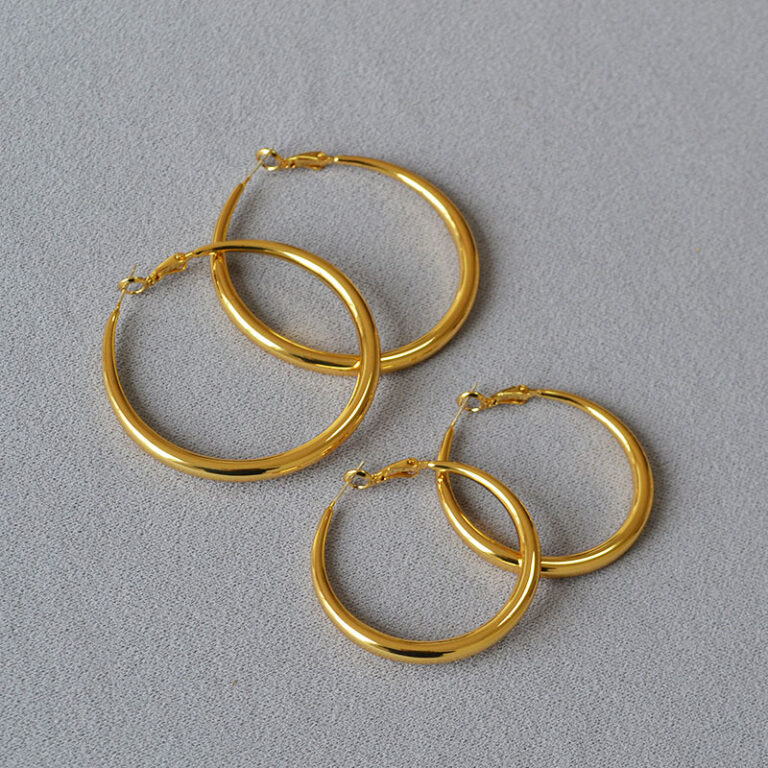
Introduction: Delving into the Craft of Silver Casting
Have you ever wondered how intricate jewelry pieces come to life? The art of silver casting plays a pivotal role. Jewelry casting, an essential process in the manufacturing of stunning ornaments, has its roots deeply embedded in history. But, how much do we truly understand about its evolution? In the bustling world of jewelry production, silver casting transforms molten silver into masterful designs with precision. Isn’t it fascinating how a mere lump of silver becomes a piece of wearable art? Let’s explore just how transformative this process is—because there’s so much more beneath the surface. Let’s dive in!
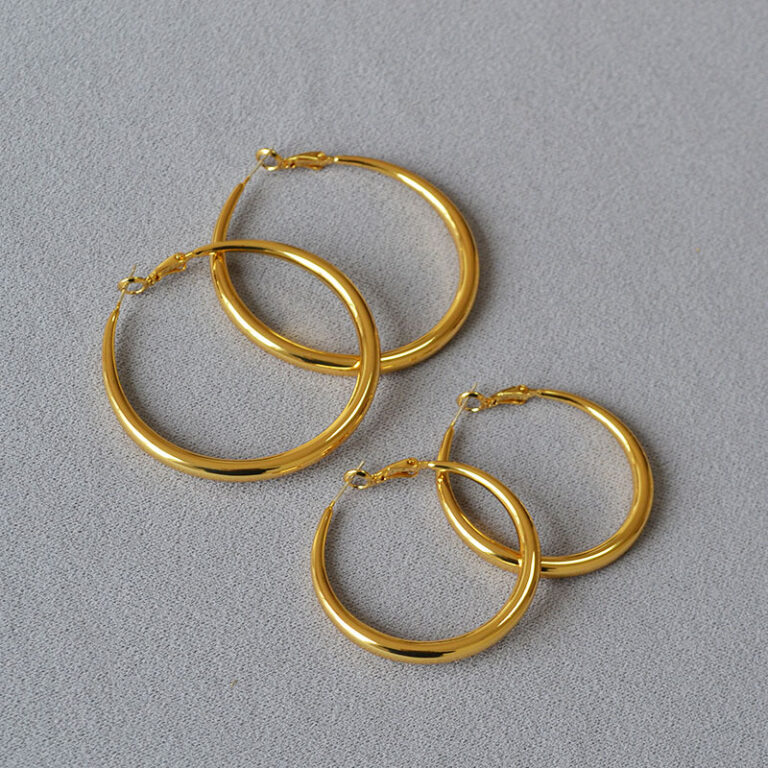
Traditional Solutions: Where Silver Casting Faces Challenges
The traditional methods of silver casting have been instrumental yet come with their own set of limitations. Often relying on manual labor, these methods can result in inconsistent results and higher waste. The casting process involves the use of rubber molds which, over time, can degrade, affecting the quality. Moreover, wax patterns, another industry term, have their own constraints in detail and longevity. Look, it’s simpler than you think, but these flaws are notable, can get tricky, and limit optimal output.
Hidden user pain points emerge when you consider scale and precision. Jewelry artisans, striving for intricate designs, often find the granularity offered by traditional casting challenging. Occupying labor-intensive cycles, the casting house faces bottlenecks, slowing delivery times. For those crafting bespoke items, these challenges are a significant hurdle—limiting their artistic expression.
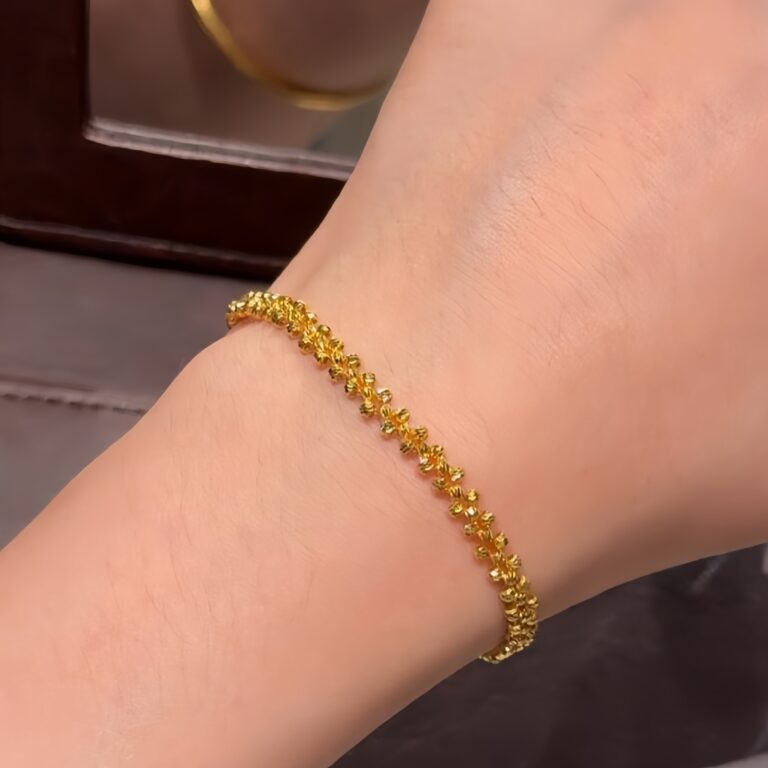
Can New Techniques Breathe New Life?
The pursuit of precision and efficiency asks: is there a better way? Traditional casting struggles significantly with cost efficiency and sustainability. While the manual touch has its charm, reliance on outdated techniques can hold back innovation. So, what’s next in revolutionizing silver casting and overcoming these overt and subtle hurdles?
What’s Next: Embracing Advancements in Silver Casting
As technology advances, so does the art of silver casting. Modern techniques integrate automation, reducing human error, and increasing the efficiency of casting processes. Precision engineering, through computer-aided designs and 3D printing models—here come the exciting bits—enables intricate designs that traditional methods can’t achieve. These advancements not only enhance detail but also ensure consistent quality across multiple pieces.
The future also points towards more sustainable practices, minimizing waste material. Reusable mold materials and innovative cooling systems, like edge computing nodes in tech, reduce energy consumption, making the process more eco-friendly. Isn’t it funny how technology can add a layer of grace even in such traditional crafts?
In summary, from traditional roots filled with challenges to a promising technologically-driven future, the evolution of silver casting promises a harmonious blend of art and precision. It’s all about striking that balance and leveraging new methodologies to drive better, faster results. To explore the intriguing world of cutting-edge casting techniques, you might want to check out what Star Harvest has to offer.