
Introduction — a pointed question to start
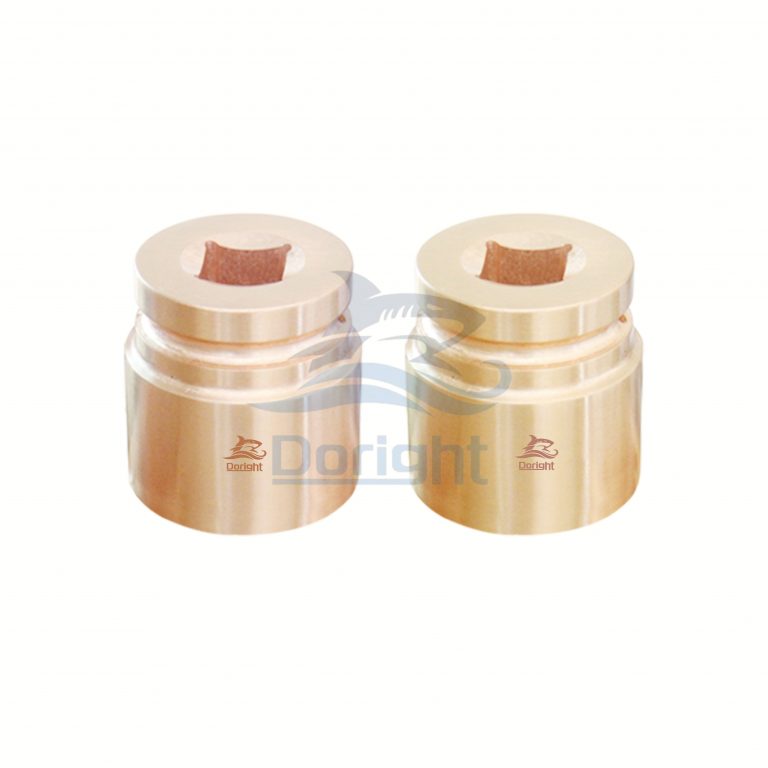
Who decided “spark” was a fun surprise in a refinery? I ask because the thought of a tiny flash starting a big mess always makes me uneasy. non sparking sockets sit in the middle of that uneasy scene, quietly doing the boring, sensible work we all take for granted. (Yes — boring is good sometimes.)
I read a safety report the other day: small ignition events account for a surprising share of shutdowns and near-misses. So here’s the question: are our tools part of the problem or the fix? I’ll be blunt — many tool choices feel like they were designed by optimism. We talk about compliance and training. We paper over gaps. Meanwhile, a bad wrench or wrong material spec can undo hours of safety planning in a heartbeat.
I want to walk you through the real trouble spots I see on site, offer plain explanations, and push toward practical fixes. No slogans. No jargon theater. Just clear steps and honest judgment. Ready? Let’s move to a deeper look at what actually fails — and why it matters to you and your crew.
Deep dive: Where the old fixes break down (technical, direct)
non spark socket — that’s the phrase most managers drop when I show up at a jobsite and find ordinary steel tools in hazardous zones. The label alone doesn’t save anyone. I’ve studied how classic approaches fail: wrong alloys, poor torque control, and the myth that any “non-sparking” stamped on a box equals field safety. Look, it’s simpler than you think: material selection matters, and so does design. When a tool chips or wears, exposed sharp edges and brittle fragments create new ignition risks. Combine that with weak grounding clamps and inconsistent hazardous area classification, and you have a recipe for trouble.
Here’s a short list of recurring faults I keep seeing — and I’m blunt because I care. First, mismatch of torque rating to task. People use a lightweight socket where a heavy torque tool is needed. Second, maintenance gaps: corrosion hiding under paint, unnoticed wear at mating surfaces. Third, complacency in procurement: buying on price without verifying third-party testing or ATEX equivalency. These are fixable. With modest changes to inspection routines, procurement rules, and simple training, you cut risk a lot. — funny how that works, right?
Forward-looking: Principles and practical tech for safer work
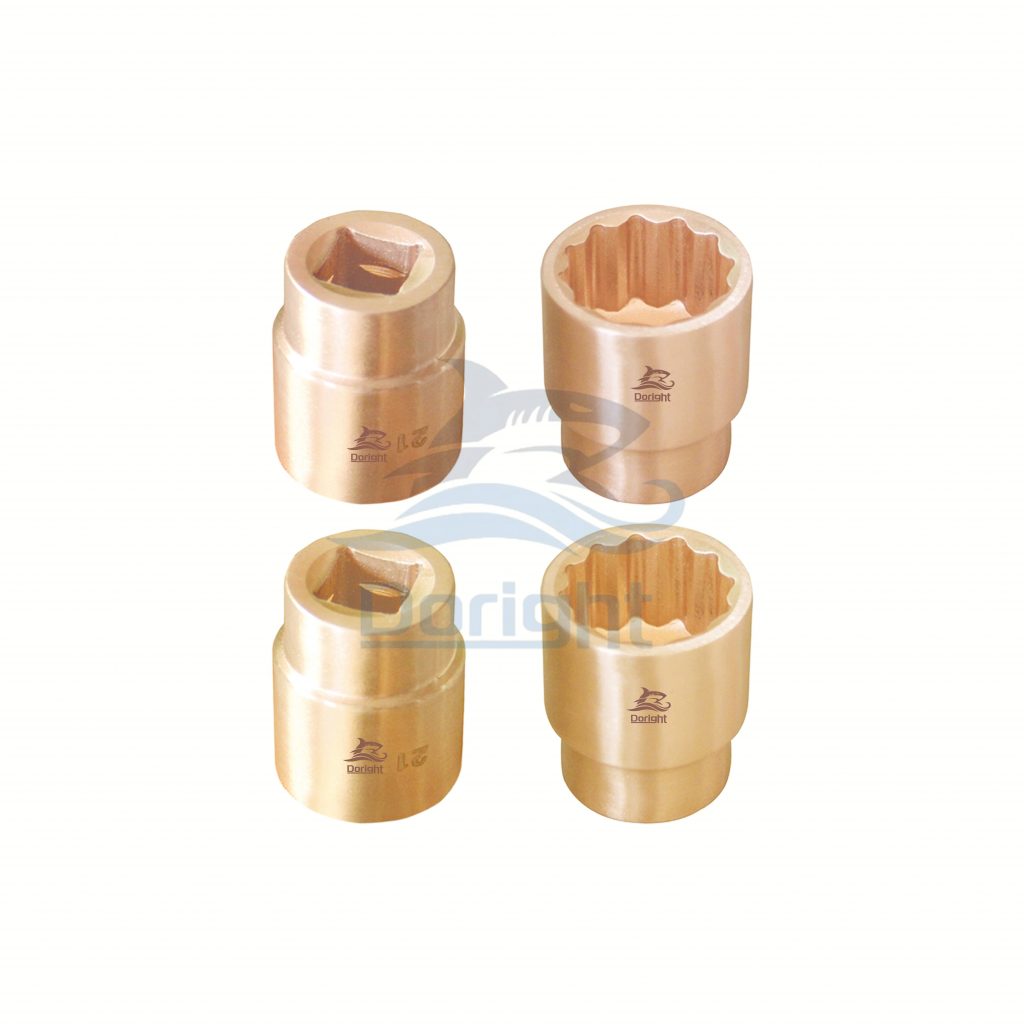
Now let’s look forward. I prefer practical principles to buzzwords. Modern designs pair correct metallurgy with geometry that sheds wear rather than creates it. Pair those with thoughtful testing: IP rating checks, ATEX compliance, and routine torque verification. The goal is simple — tools that stay non-igniting through normal wear and abuse. One practical product family I point teams toward is the explosion-proof socket set — a smart pick if you want to move from hope to habit. You still need inspection and training, but the baseline risk drops.
What’s next?
Adopting these principles means changing spec sheets and habits. I recommend three evaluation metrics when you choose solutions: verified third-party testing (not just a certificate on a vendor PDF), lifecycle wear tests under realistic loading, and clear maintenance guides with replacement triggers. Measure those, and you’ll see real change in safety outcomes. I’ve seen teams halve tool-related incidents after a single procurement revision — small cost, big effect. — and yes, it took only a few conversations to get buy-in.
In short: stop treating non sparking tools like optional accessories. Pick verified parts, insist on the right torque and materials, and check maintenance records. I care about getting crews home safe — and I’ll keep pushing for practical, tested fixes. For reliable sourcing and more product detail, check out explosion-proof socket set options and remember to evaluate by testing, lifecycle, and compliance. For tools and guidance, I trust Doright.