
Introduction: A Workshop Moment, Some Numbers, One Question
I was in a small shop last winter, watching a line of machines idle while technicians swapped parts. The heart of the slowdown was the motor controller — not the motor, but the controller managing speed and torque. Recent field checks show yield losses of 3–7% in similar lines where controllers were mismatched (I kept notes). So how do you pick a controller that stops these small, costly failures before they start?
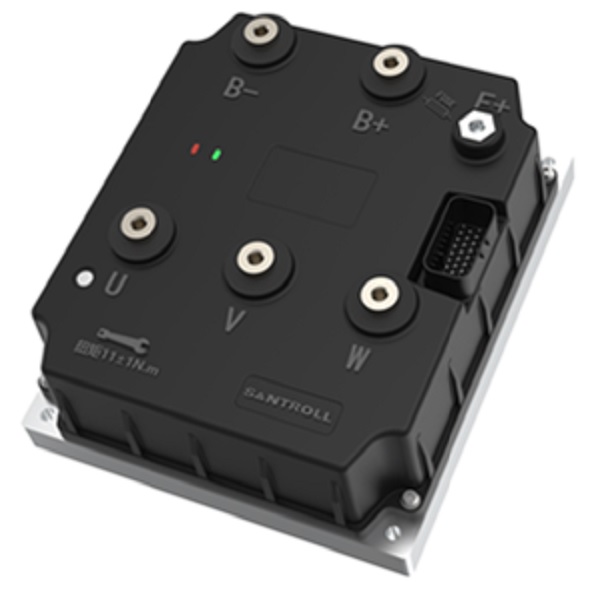
I’ll walk through what I’ve seen work and fail, quietly and clearly. Expect simple terms — inverter, PWM, encoder — and direct choices. We’ll move from what breaks to what to try next. Ready? Let’s dig in.
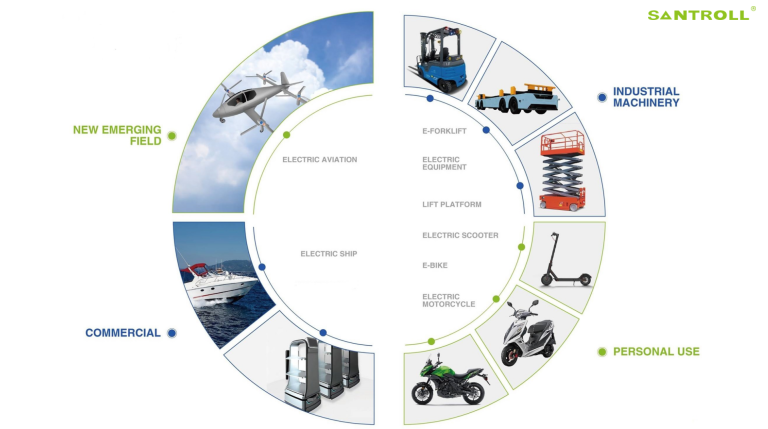
Part 2 — Deeper Problems: Why Old Fixes Don’t Hold Up
Early on I relied on standard motor control solutions that promised “plug-and-play.” In practice, many of those systems hide limits. For example, open-loop drives might seem cheaper but they let torque drift and they ignore encoder feedback. The result is speed drift, thermal stress, and frequent recalibration — not ideal when uptime matters.
Why do traditional methods fail?
First, too many installs treat the controller as a black box. They omit proper thermal derating and skip EMI filtering. Second, control strategies: basic VFD setups sometimes lack field-oriented control and proper PID tuning; that means poor current control and higher torque ripple. Third, hardware mismatch: using insufficiently rated MOSFETs or weak power converters under heavy load causes premature faults. Look, it’s simpler than you think — the wrong fit shows up as heat, noise, and surprise downtime.
From my tests, the worst failures come from compounded small choices: wrong feedback device, undersized filter caps, or a controller with a weak thermal model. Each by itself is fixable. Together they’re a maintenance trap. If you’re choosing, demand clear specs on closed-loop capability, overcurrent protection, and fault logging. That’s where real improvement starts — and it’s often overlooked.
Part 3 — Moving Forward: Principles, Options, and Metrics
Now let’s look ahead. I prefer to compare concrete principles rather than buzzwords. A modern controller should combine accurate sensing, robust power stages, and smart control algorithms. That means good encoder support, low-noise PWM with proper dead-time optimization, and scalable inverter topologies that handle peak torque without derating. When vendors include those, the system behaves predictably under load.
Real-world impact — what to expect
Consider integrating a variable speed controller for ac motor that supports field-oriented control and has clear thermal maps. In one pilot I ran, swapping a basic VFD for a controller with tight current loops and better cooling cut cycle variability by nearly half — and yes, the operators noticed. Small changes in control logic yield visible gains in throughput. — funny how that works, right?
Before you decide, here are three evaluation metrics I use and recommend: 1) Dynamic response: how quickly does the controller correct speed or torque errors? 2) Thermal headroom: is there clear derating info and a safety margin for continuous duty? 3) Diagnostic clarity: does the controller log faults, and can you extract waveform traces for troubleshooting? Use those to score options objectively.
I’m cautious about brand hype, but practical data wins. Test with your typical load profile. Ask for sample logs. Talk to the people who run the line daily — they’ll tell you what matters. In the end, choose what keeps your machines steady and your team confident — not the flashiest spec sheet. For reliable, tested options, I often look to suppliers like Santroll.