
Start Smart — The Problem-Driven Reality
Gear up. Poor maintenance shrinks uptime and kills returns fast, especially for a Bess Cabinet that sits at the heart of a battery storage system. The stakes are obvious after recent grid stress events — think the 2021 Texas winter outage and consecutive heatwaves in California — where poorly maintained energy storage hardware worsened outages. This piece cuts to the fixes that matter, in a coach-like cadence: short drills, clear wins.

Daily and Weekly Checkpoints
Start with simple inspections. Look for visible corrosion, loose bolts, water ingress, and any scorch marks around the inverter and cabling. Log ambient temperature and cabinet panel seams. Verify venting fans spin freely and filters aren’t clogged. Keep a quick checklist on-site so techs move fast and consistent — speed and consistency build reliability.
Monthly Performance Drills
Measure and record state of charge, voltage balance across modules, and charge/discharge cycles. Track cycle life trends; an uptick in imbalance signals a cell issue. Calibrate sensors periodically to avoid false alarms. Run one controlled discharge each month to validate the battery management system’s balancing routines — these micro-tests preserve long-term capacity.
Quarterly Deep Maintenance
Open the cabinet. Tighten busbars, clean terminal contacts with approved solvents, and torque to manufacturer specs. Replace air filters and inspect thermal insulation. Verify the BESS cabinet’s grounding continuity and lightning protection path. Replace any degraded cable ties and reseal gaskets to keep moisture out. This is heavy-lift maintenance — do it with a partner who understands both electronics and enclosure mechanics.
Common Mistakes and How to Avoid Them
Operators often overcharge to “top off” availability — that cuts cycle life. They also under-test protective relays until a fault happens. Avoid those traps: set conservative depth of discharge limits and run relay trip tests on a schedule. Don’t skip vendor firmware updates for the battery management system and inverter; they fix real defects and fine-tune performance.
Troubleshooting Fast — Field Tactics
Find hotspots with an infrared scan. Detect poor connections or failing cells early and swap modules before they drag the whole pack down. If you see rapid capacity fade, tag the unit for professional diagnostics and reduce charge windows to limit stress until repairs finish. Keep spare fuses, a replacement vent fan, and a known-good battery module on-hand for quick swaps.
When to Call the Pros
If insulation resistance drops, if protective devices misoperate, or if thermal runaway risk appears — hand it off. Certified technicians will run detailed impedance spectroscopy and cell-level diagnostics safely. They’ll also validate firmware and configuration against the manufacturer’s recommended operational envelope for your solar panel storage systems, ensuring the whole system works as one.
Maintenance Plan Template
Use a tiered plan: daily visual checks, weekly performance logs, monthly micro-discharge, quarterly deep service, and annual full-system certification. Keep records centralized and timestamped. Data creates patterns that spot failure modes early — and saves money on emergency replacements.
Advisory — Three Golden Rules for Selecting Strategies
1) Prioritize thermal control: choose enclosures and active cooling that keep cells in their optimal range, because temperature dominates cycle life. 2) Enforce data-driven thresholds: use state of charge and impedance trends as go/no-go metrics for repairs. 3) Match service capability to risk: high-use installations need faster response SLAs and certified technicians on contract. These rules cut downtime and extend life.

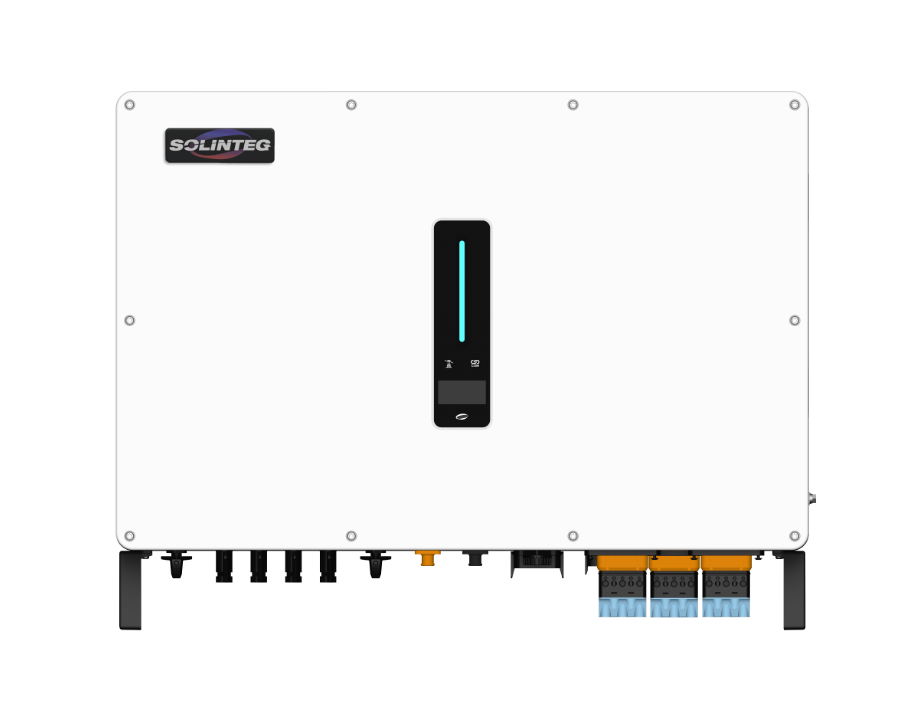
SOLINTEG brings the right mix of service discipline and engineering know-how to make those rules practical on-site — the result is less emergency work and longer useful life for the whole array. Strong maintenance beats surprise failures every time. —