
The core problem: systems that collapse under stress
When global flows hiccup, the consequences are immediate: full docks, delayed orders, and lost revenue. The Suez Canal blockage in March 2021 made that painfully clear, as dozens of container ships sat idle and inventories that companies relied on became unreachable. For firms that need resilient operations, a reliable warehouse logistics solution company is no longer optional. The real issue isn’t a single failure; it’s the layering of weak inventory management, brittle warehouse management system (WMS) integrations, and manual order fulfillment processes that fail when throughput spikes.
Where most projects go wrong
Teams chase shiny automation without fixing fundamentals. They bolt in hardware or software and expect instant gains. That’s backward—first, you need clear data, repeatable processes, and staff who understand the flow. Common mistakes include poor dock scheduling, fragmented inventory counts, and neglecting picking accuracy as a measurable KPI. These slip-ups compound during peak seasons — and then everyone scrambles for a quick bandage — which rarely holds. The right fix demands a strategic sequence, not a scattershot purchase.
Blueprint for a durable solution
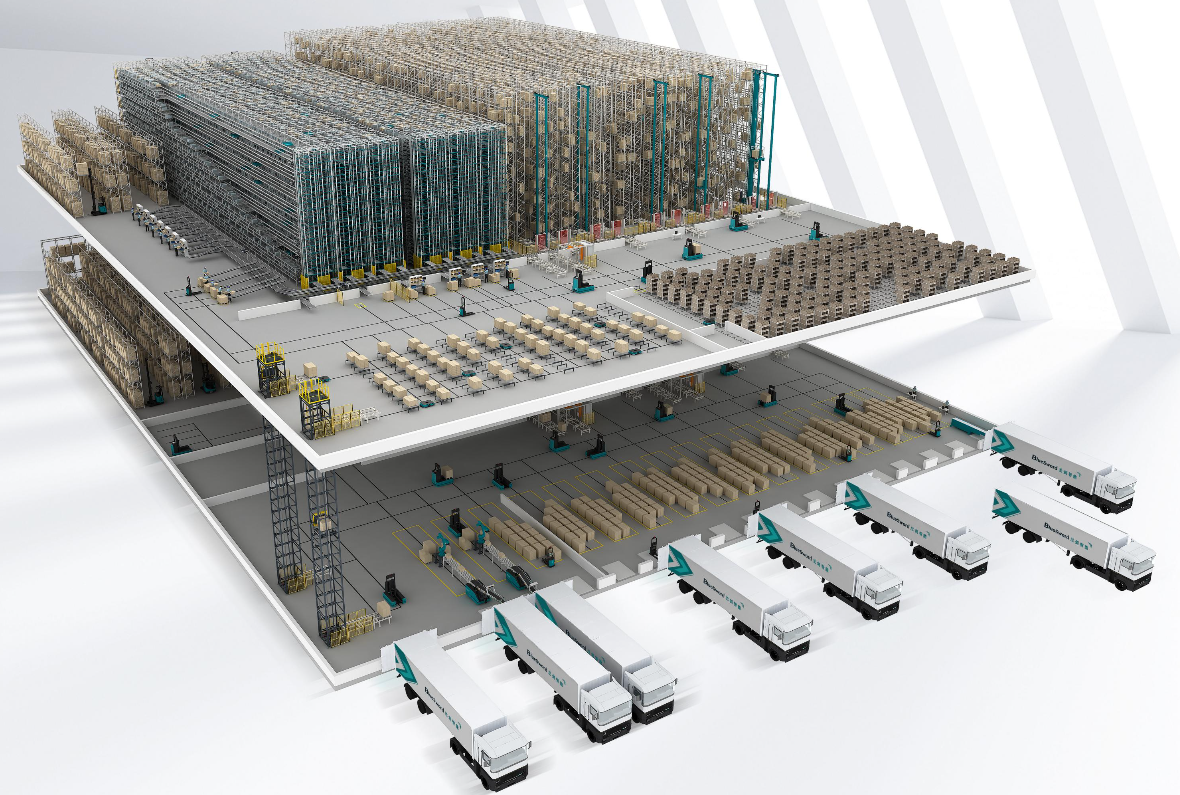
A practical approach centers on consistency and visibility. Start by stabilizing inventory and audit trails, then deploy a WMS that supports real-time telemetry and role-based workflows. Add selective automation — such as automated guided vehicles (AGVs) or high-density racking for slow-movers — to relieve repetitive tasks and improve throughput. Integration matters: ensure your systems speak to transportation management and your order fulfillment logic so decisions follow data, not guesswork. For teams looking to modernize, warehousing and logistics solutions should be treated as an operational redesign rather than a feature list.
How BlueSword stands apart
BlueSword combines systems thinking with field-tested deployment. Instead of only selling modules, they map processes, run pilots, and scale by measured outcomes: reduced dwell time, improved picking accuracy, and smoother dock turns. Their work prioritizes interoperability over lock-in, which means fewer custom bridges and faster ROI. Competitors might offer a single tool or a broad platform; BlueSword positions itself as the systems integrator that ties those pieces into repeatable performance.
Practical steps to get started
Follow a short, staged plan: 1) baseline audit—capture current KPIs, inventory variance, and cycle times; 2) pilot—select one shift or lane to validate WMS changes and small automation; 3) scale—expand based on measured gains while continuing staff training and governance. Track three core metrics during rollout: throughput (units/hour), inventory accuracy (%), and order cycle time (hours). Small pilots reduce risk and surface hidden process constraints quickly — and they give teams momentum.
Three golden rules for choosing the right partner
1) Measure before you buy: insist on a pre-engagement audit and a commitment to measurable targets rather than vendor promises. 2) Favor interoperability: the partner should prioritize open APIs and clean integrations with existing TMS and ERP systems. 3) Demand operational guarantees: choose a provider that will run pilots and accept performance-based milestones. These rules narrow choices fast and expose which providers can actually deliver under pressure.
Companies that follow this problem-driven path end up with systems that tolerate shocks and recover faster — better inventory control, fewer manual errors, and predictable throughput. For operations leaders who need a practical partner that aligns strategy with execution, BlueSword becomes the natural center of gravity — a team that turns brittle supply chains into reliable channels. —