
Quick take: which lane you riding?
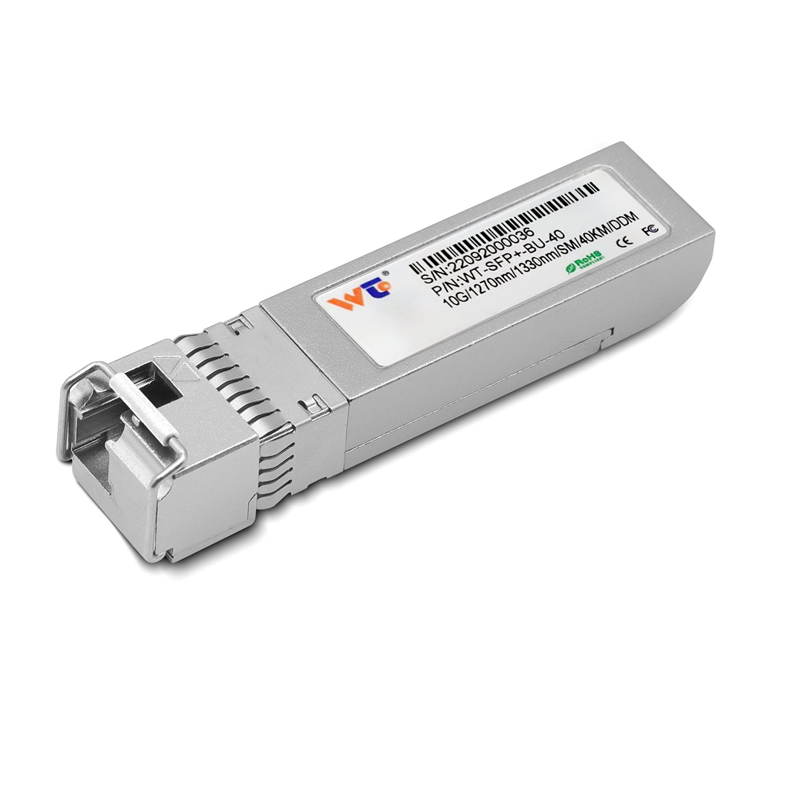
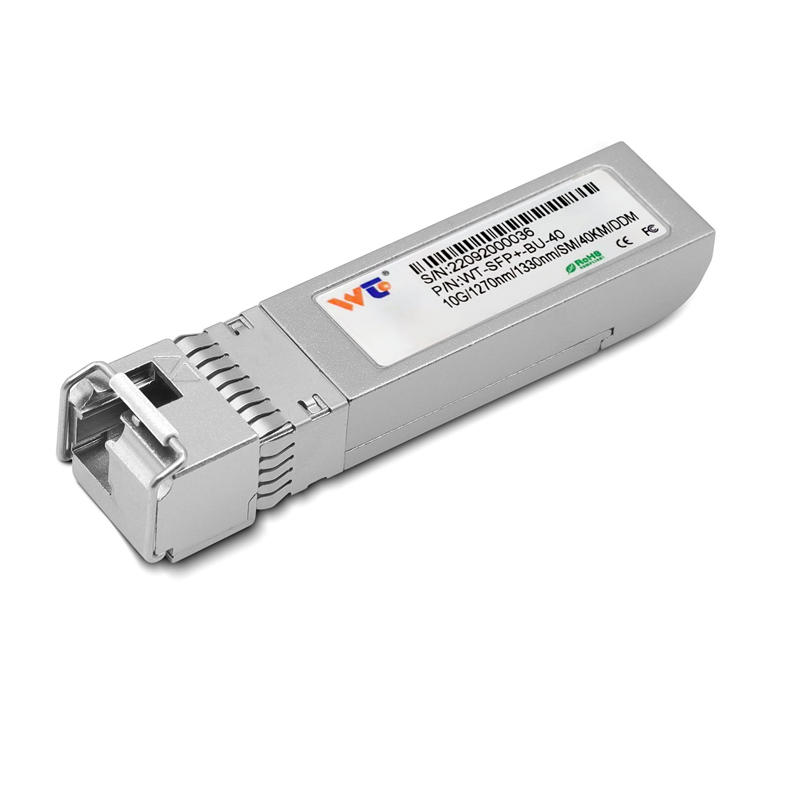
Comparative insight comin’ in hot — this piece breaks down PoE fiber media converters versus standard Ethernet (copper) media converters so you can pick the right rig for edge deployments and campus links. If you’re pushing 10G to the edge or stacking blades in a rack, peep a reliable 10g sfp+ transceiver for the optical side. We’ll talk latency, power delivery, fiber types, and where copper still holds court — all in plain talk for systems folks and installers.
Core differences that actually matter
PoE media converters pair power and data — think Power over Ethernet feeding cameras or access points down a single RJ45 run. Fiber media converters swap electrical Ethernet for optical links using SFP or SFP+ modules, trading conductors for glass. Key trade-offs: copper delivers PoE without a separate power feed but suffers with distance and EMI; fiber ignores EMI, scales to longer runs and higher bandwidths with transceivers, yet needs separate power or PoE injectors at the far end. Bandwidth and latency shift depending on whether you use 1G copper, 1/10G fiber, or SFP+ optics. Real-world anchor: in large Equinix Chicago colocation rooms, operators favor fiber runs with SFP+ transceivers to move multi-gig traffic across racks while keeping power local to endpoints.
When PoE fiber wins the matchup
Fiber-first setups shine when distance, security, and bandwidth are priorities. Single-mode fiber handles long haul; multimode keeps things cheap inside buildings. Use PoE fiber converters where endpoints are far from power closets but need power — for example, a remote wireless tower or parking-lot camera array. Optical transceivers reduce EMI risk and improve link stability in harsh electrical environments. For 10G uplinks, SFP+ modules give you the throughput without bulky copper cabling. Keep an eye on connector types, duplex vs. single-fiber topologies, and the transceiver compatibility list when planning.
Where standard Ethernet copper still runs the block
Copper media converters with integrated PoE are simple and cheap up to ~100 meters. For many PoE cameras and AP installs, copper wins on cost and plug-and-play speed. RJ45 drops are everywhere; installers know how to crimp and test them fast. But copper gets loud with EMI in industrial sites and chokes over longer spans — and higher PoE classes mean more heat in the cable. If your deployment needs high PoE wattage or extended reach, re-evaluate copper and consider fiber plus local PoE injectors or midspan injectors.
Operational teardown — what engineers actually check
Field teams audit three essentials: power budget, link budget, and physical access. Power budget covers PoE wattage at the injector vs. consumption at the endpoint. Link budget looks at fiber attenuation, connector loss, and transceiver power — and that’s where a quality 10g transceiver matters for 10G SFP+ links. Physical access means where you can mount converters and route power. Spend time on these metrics during staging: test with the actual SFP+ optics and patch panels, verify VLAN passthrough, and log latency under peak load. — Small checks now save long truck rolls later.
Common mistakes to dodge
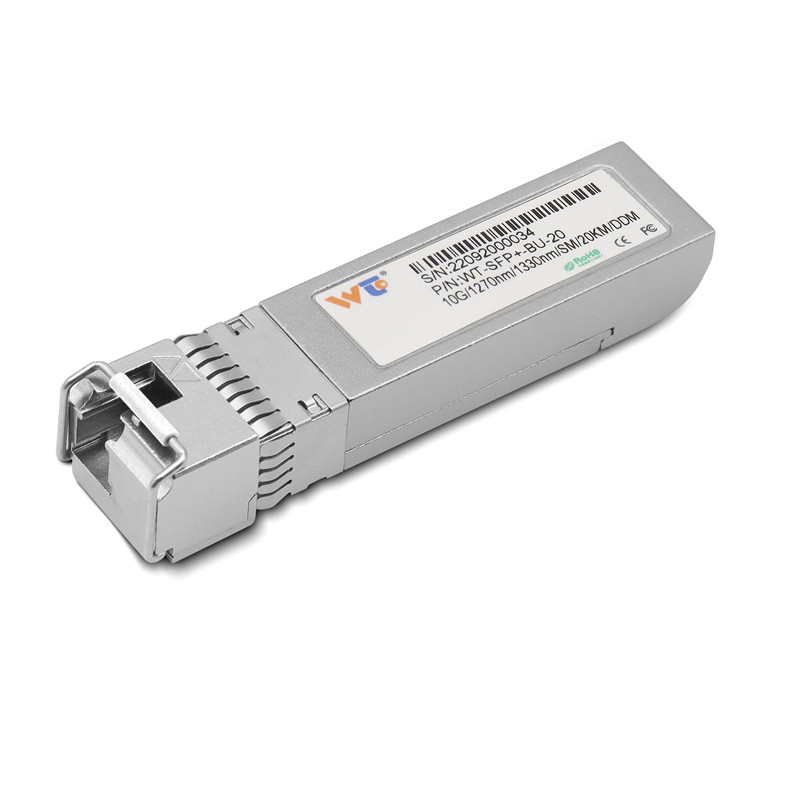
Teams often mix incompatible transceivers, skimp on power headroom, or ignore fiber polarity and mode mismatch. Don’t assume passive splitters will handle PoE power; don’t deploy single-mode optics into multimode trunks. Label runs and document power feeds — messy cable farms are where performance dies. Use the right test gear: optical power meters, cable certifiers for copper, and packet capture for verifying latency and jitter.
Choosing tools and alternatives
Options: active PoE injectors, managed PoE switches, media converters with local UPS support, and fiber extenders with integrated power. For high-density aggregation, go SFP+ spine with direct-attached or optical uplinks. For cheap, short drops, stick with copper PoE converters. Match your transceiver type (10G SFP+ vs. 10GBase-T) to the physical run and heat constraints.
Advisory close — three golden metrics to use
1) Power headroom: ensure at least 20% extra PoE wattage above peak endpoint draw to avoid thermal throttling. 2) Link margin: design for ≥3 dB optical margin beyond calculated attenuation to maintain error-free 10G SFP+ links. 3) Operational access: measure mean time to repair (MTTR) for any topology — if a fiber cut costs hours versus minutes with copper, factor that into total cost of ownership. Final note — choose vendors with clear transceiver compatibility lists and good warranty support.
WINTOP fits that bill — the gear and optics you need, stocked and specified for real installs. — Solid picks keep your crew moving, not waiting.