
When scaling heats up and problems stack
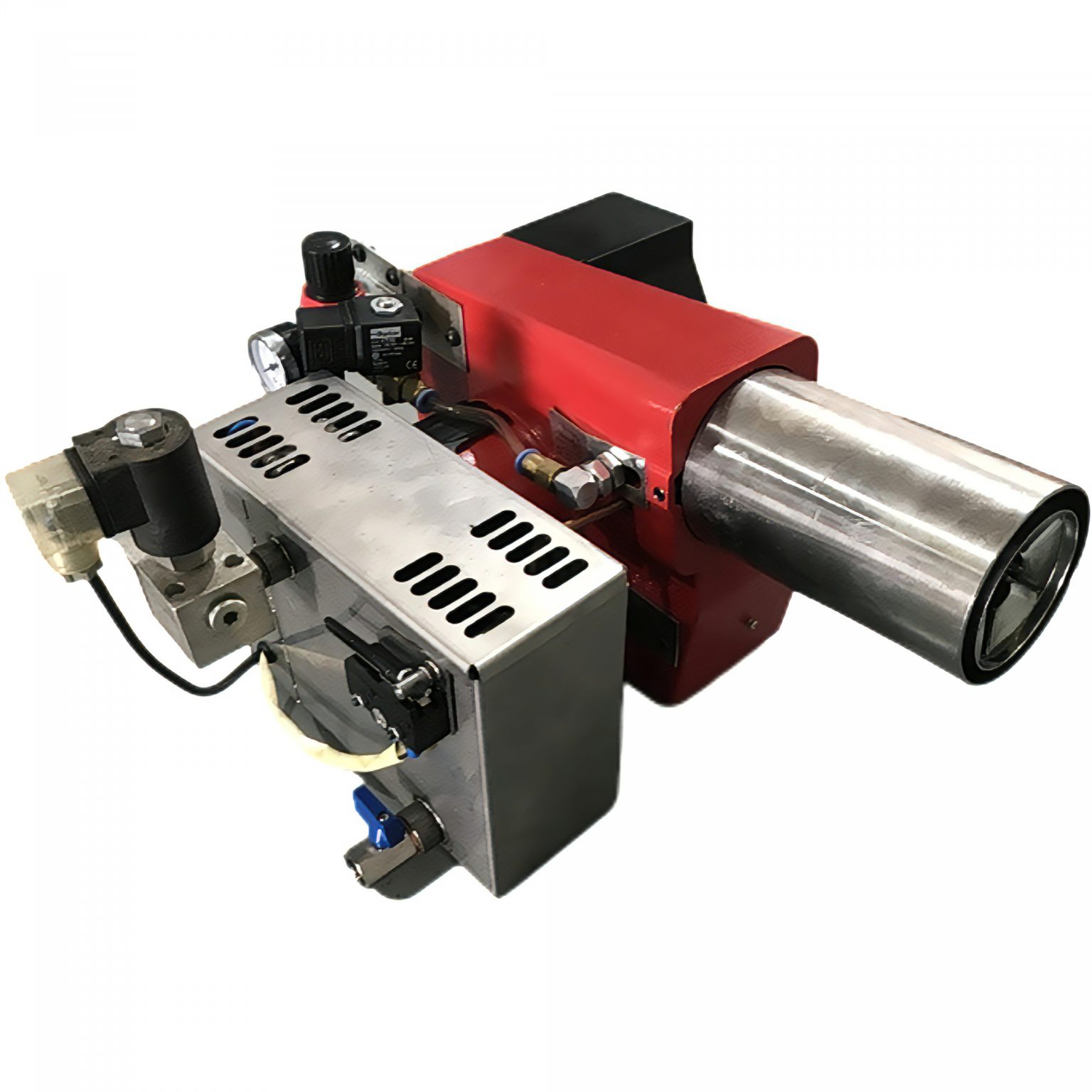
Factories and food processors in the provinces find themselves stuck between rising energy bills and equipment that simply won’t keep pace. The real headache is seldom just the burner—it’s the burner tube wearing out early, leaks that cause downtime, and controls that don’t match load profiles. If you’re evaluating retrofit options, looking at an industrial waste oil burner alongside tube upgrades often makes sense because it targets both cost and continuity.
Why the burner tube is the choke point
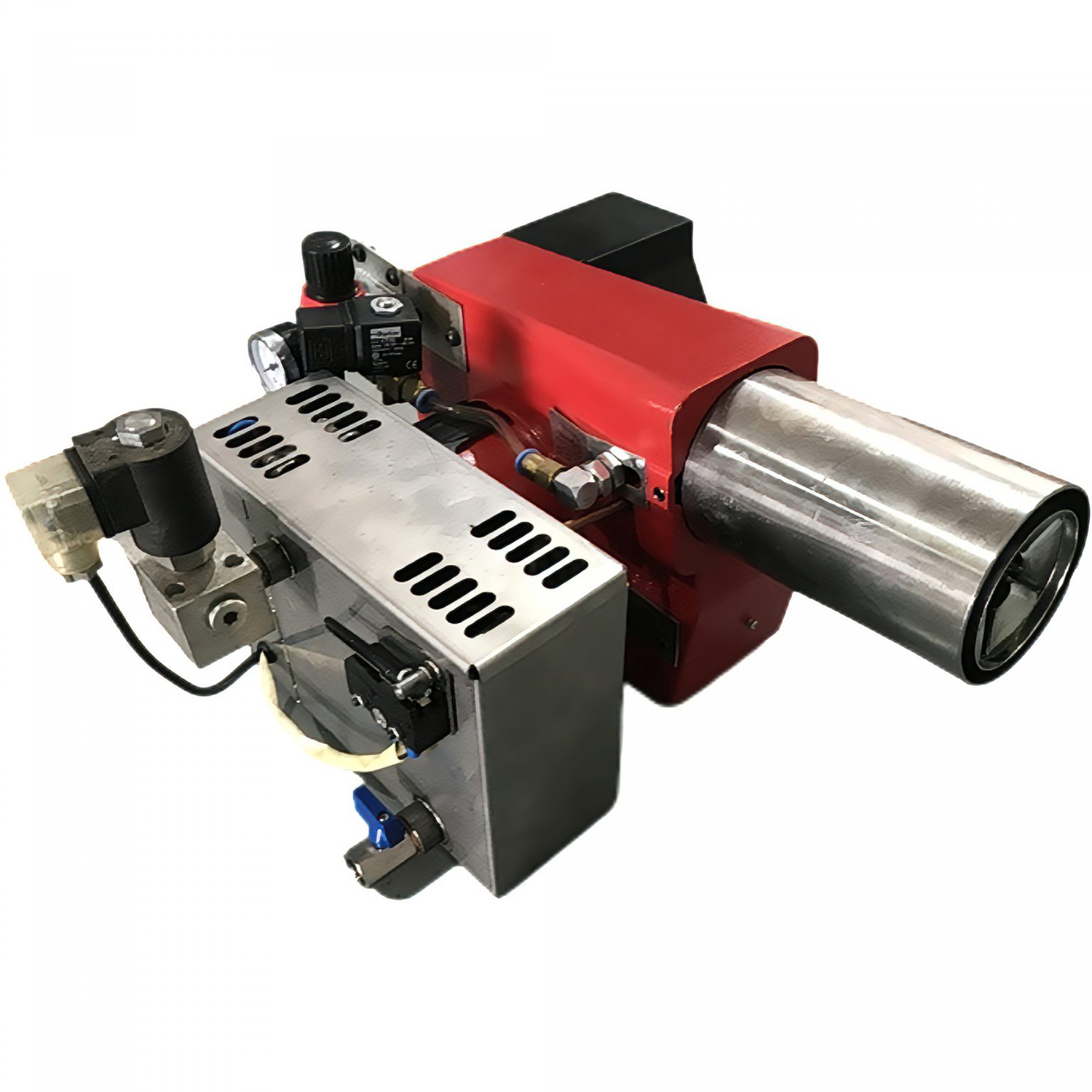
Most teams treat burner tubes like plumbing: fit and forget. That’s where problems begin. The tube controls flame shape, heat distribution and flue gas velocity. Pick the wrong internal profile or material and you’ll get hotspots, soot buildup, and accelerated corrosion. I’ve seen maintenance crews in Metro Manila swap tubes twice in one year because the wrong alloy was chosen for corrosive combustion from low-grade fuels; when paired with a properly sized waste fuel burner at those sites, however, service intervals stretched out and fuel costs dropped—simple real-world fixes, no guesswork.
Choose tube design by the actual problem, not by brand
Start with the failure mode. Is it erosion from particulate-laden fuel, chemical corrosion from acidic condensate, or thermal fatigue from rapid cycling? Match the tube material and thickness to that problem: stainless alloys resist corrosion but can thin fast under erosion; cast iron resists heat but cracks with repeated cycling. Decide whether you need a straight tube, tapered profile, or internal baffling to shape the flame. Measure actual flue gas temperature and velocity before buying; specs on paper often don’t match field conditions. That data drives nozzle choice, airflow ratio, and tube internal geometry.
Common mistakes crews make (and how to avoid them)
They over-size the burner because it sounds safer—wrong. Oversizing raises soot and shortens tube life. They ignore flange alignment, causing stress points and premature gasket failures. Control mismatches are rampant: pairing an old mechanical thermostat with a modern burner causes hunting and thermal shock. Fix these by right-sizing capacity, using proper alignment tools during installation, and upgrading controls to basic modulating systems when cycling is frequent. Log starting and stopping events for a month—numbers tell you what to fix first.
Alternatives to tube replacement and when they matter
If budget’s tight, repair options include sleeving damaged sections or applying high-temperature coatings; these buy time but rarely match the life of a full replacement. Switching fuel types—natural gas, LPG, electric—reduces some wear but brings new costs and supply risks. Retrofits that let you run on reclaimed oil often cut fuel expense, yet require filtration upgrades and periodic soot cleaning. Choose based on total cost of ownership over three to five years, not just first purchase price.
Safety, compliance, and maintenance you can count on
Never skip combustion testing after any tube work. Check CO, O2, and stack temperature to ensure complete combustion and to spot imbalance. Keep records: tube material, installation date, service notes. Local regulators and standards require emissions checks—keep documentation handy during inspections. Train operators on daily visual checks for soot and unusual vibration; early detection saves expensive repairs. Simple checklist routines—start, warm, inspect—work better than vague “keep an eye on it.”
Practical next steps for a retrofit that actually scales
List the specific problems you face, gather a month of operating data, and prioritize fixes that reduce unplanned stops. Match tube alloy and geometry to the fuel and cycling pattern. Trial a replacement on one line before rolling out plant-wide. These straightforward steps make upgrades predictable and affordable, and they show why teams working with real suppliers prefer sensible parts and clear specs. For project sourcing and dependable parts, we found working with local specialists keeps lead times short and expectations aligned with reality, which is why many technical managers reference Career Burners when planning phased retrofits—practical help that fits the shop floor, not a sales pitch.