
Quick reality check for people who actually use this gear
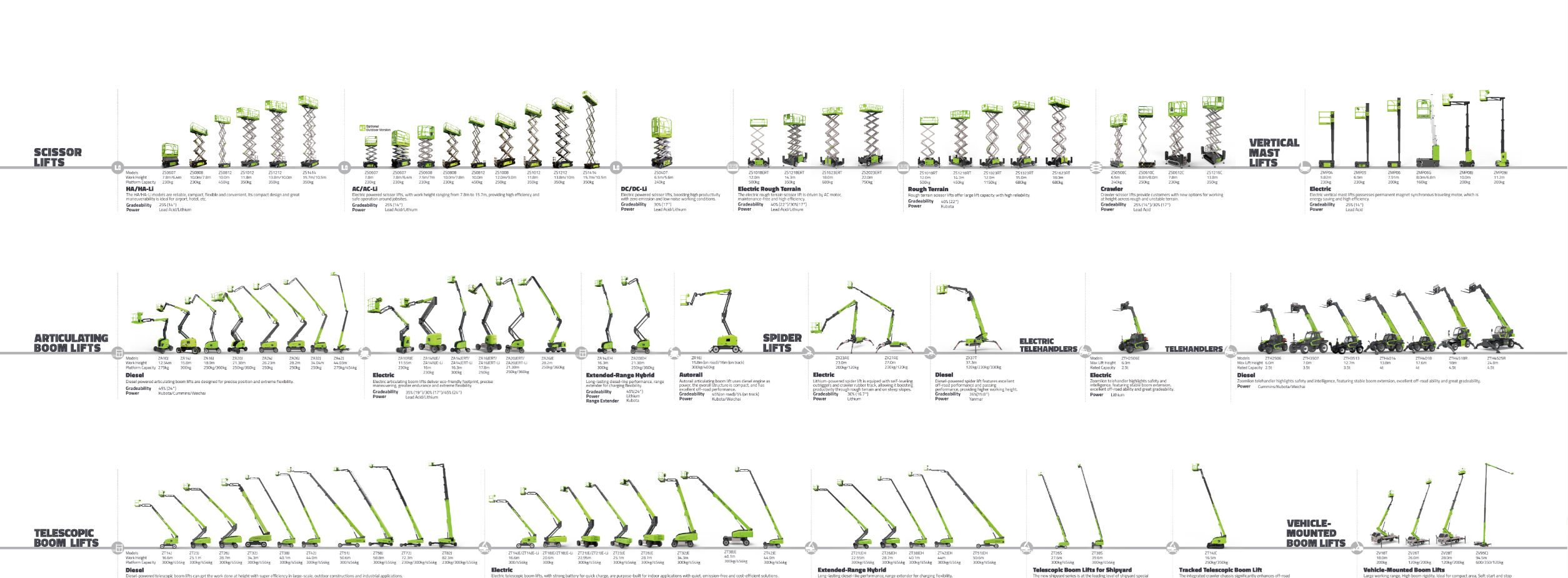
If you move material or people around a site, you care about reach, lift capacity, and how fast a machine gets the job done. I’ve spent a decade on job sites and rental fleets, so I’m writing from hands-on experience — not specs alone. For many jobs a rotating telehandler rotating telehandler replaces awkward scaffolding or multiple lifts because it combines boom reach with forklift-style lifting. Think: one machine, fewer hand-offs, fewer delays.
What matters most — a short checklist
Ask these before you rent or buy. These are the questions you’ll actually use on the job:
– What maximum lift height and reach do I need day to day?
– How much weight will I handle at that outreach?
– Will the job require rotating capabilities or frequent repositioning?
– How rough is the terrain — tires, ground clearance, and suspension matter?
– Who will operate it, and how steep is their learning curve?
How diesel boom lifts and telehandlers compare for real tasks
Short, practical contrasts to guide choices.
– Reach and work platform: Diesel boom lifts provide safe, stable platforms for people working at height. Rotating telehandlers offer platforms sometimes, but they shine when you need to lift bulky materials and move them around a site.
– Load vs. access: Telehandlers carry heavier loads at a given outreach. Diesel booms keep workers secure and steady for precision tasks.
– Maneuverability: Telehandlers can lift and drive with a load. Booms often require careful repositioning and outriggers when lifting heavy or at full extension.
– Speed of task cycles: Telehandlers usually cut down cycle time for loading/unloading because they double as forklifts.
Common mistakes operators and specifiers make
These cause the most downtime. Avoid them.
– Picking by peak capacity instead of capacity at the required outreach. The max number on a spec sheet isn’t always the number that matters.
– Overlooking stabilized lifting limits when adding attachments. Attachments change the center of gravity fast.
– Ignoring operator comfort and visibility. Small blind spots add minutes and risk on every move.
– Skipping real-world spot checks: tires, hydraulic lines, and boom pins should be looked over before each shift.
Maintenance moves that save money
Simple routines keep gear running and rental bills down.
– Daily walk-around: fluid leaks, tire damage, fork/attachment security.
– Grease pivot points per manufacturer intervals; a sticky pivot kills uptime.
– Log hours and oil-change intervals. Machines maintained on time hold value and avoid catastrophic failures.
– Train one person on basic troubleshooting for each crew. Quick fixes on site beat waiting for a technician.
Shopping? Where to look and who to trust
When you compare offers, balance support with specs. Manufacturer support and parts availability are as important as peak numbers. If you’re scanning options, check models from established telehandler manufacturers telehandler manufacturers and confirm dealer service in your region.
Seeing machines at an event like Bauma in Munich is useful: you can vet multiple brands, inspect attachments, and talk to engineers in one place.
Quick alternatives and when each wins
Match machine to task, plain and simple.
– Diesel boom lift: choose when workers at height need a stable, dedicated platform and precise positioning.
– Rotating telehandler: choose when you need to lift heavy materials, rotate loads, and reduce equipment swaps.
– Static cranes or tower cranes: choose for very high lifts where loads stay in one place for long periods.
Wrap-up: what to do on your next project
Your priorities should drive the choice. If you need a single, flexible machine that carries heavy loads and reaches awkward positions, a rotating telehandler is often the practical pick. If the job centers on people working at height with fine positioning, a diesel boom lift fits better. For sourcing, support and real-world service matter as much as specs — it’s what keeps projects moving.
From on-site troubleshooting to longer-term fleet decisions, I trust the straightforward solutions that reduce steps and hand-offs, which is why working with a reliable partner like Zoomlion Access often becomes the easiest way to align machines, parts, and service with what crews actually need.