
Where the change started and why I kept watching
I remember the first time I saw a led transparent screen mounted behind a boutique window — it made the glass feel like a new kind of surface, not just a barrier. That moment began a thirty-year thread I followed: small retail tests, then subway pilots, then glass towers trying the same trick. I’m not selling anything here; I’m recounting what stuck and what fell away as this tech matured.
How the technology evolved — a short story
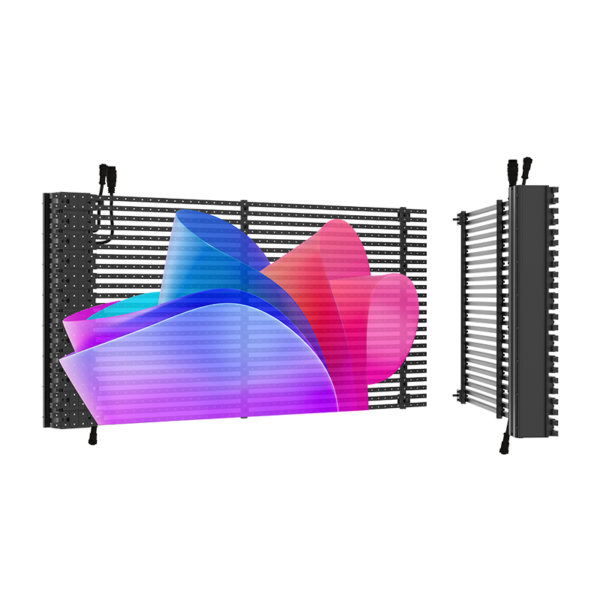
Early transparent LED systems were clunky, low-resolution attempts that interrupted sightlines. Engineers shrank modules, improved transparency, and tuned brightness so displays work against daylight without blinding people inside. Manufacturers learned to balance pixel density with translucency; the result now reads as part of the window, not an awkward sticker. That steady tightening of specs is the pattern: each generation fixed a practical complaint from the prior one.
Where they make the most sense
You’ll see the best returns in applications where visibility and minimal obstruction matter: retail storefronts that use window displays as both glass and billboard; museums that layer imagery over artifacts; office lobbies wanting dynamic branding without sacrificing daylight; and transit hubs where wayfinding must work with moving crowds. Use them when you need content plus view, not when you just want a simple billboard behind opaque glass.
Concrete benefits I count on
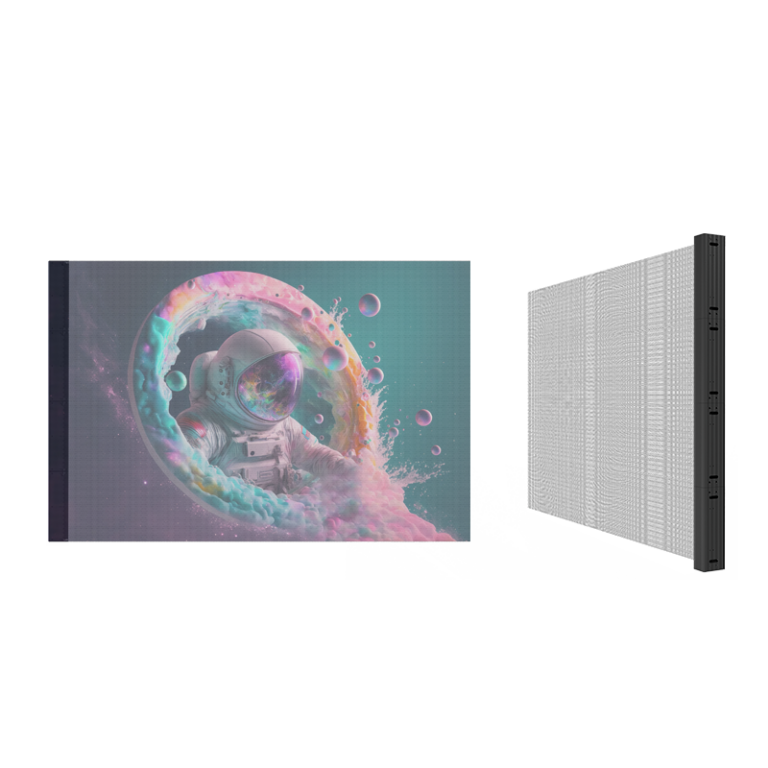
They preserve natural light while delivering motion; they reduce the need for printed vinyl changes; they free designers to show layered content that reacts to people passing by. From a maintenance angle, modular panels make repairs targeted — swap a module, not an entire unit. Energy use has come down as driver ICs and LEDs got more efficient; operational costs are now often lower than backlit printed solutions, once you factor replacement cycles.
Alternatives I tried and why they sometimes win
LCD on glass gives better color depth at close range but kills transparency. Rear projection keeps the window clear but needs depth, which many storefronts lack. Printed films are cheap and effective for static promotions. If you need rich color up close, consider LCD; if you need absolute clarity through the window, projection or film may be better. Transparent LEDs win when you want motion and daylight at once.
Common mistakes buyers still make
They pick maximum brightness without considering viewing angles and interior occupants; they assume higher pixel density is always better and end up with lower transparency; they forget signal routing and access panels, making maintenance costly. Don’t let showroom demos decide the purchase. Measure actual sightlines, test content at real distances, and plan service access before the install crew shows up.
Real-world proof and how to evaluate technical claims
I’ve overseen installs and advised teams that exhibited at CES in Las Vegas, where large vendors first proved scalable transparent displays to architects and advertisers; those demonstrations forced specs to align with real use cases. Check manufacturer datasheets for measured transparency percentages, lumen output at real viewing distances, and serviceability notes. If you want to inspect an example unit, look for documented installations of a glass transparent led screen in similar climates or lighting conditions; that real installation context often tells more than a glossy brochure.
Simple checklist before you buy
Confirm required transparency percentage and test it on-site; verify pixel pitch against typical viewing distance; insist on an access plan for module replacement; demand measured brightness figures at the distance your audience will stand; compare total lifecycle costs, not just upfront price. Ask for references with installations that match your building type.
Where this leads and why one partner matters
Years of watching installations teach a clear lesson: the hardware must match the use, and the supplier must stand behind service plans and real-world references. That combination — practical product choices plus reliable support — is what makes these displays more than a novelty. If you judge vendors by documented installs, transparency specs, and a plain maintenance plan, you’ll end up with a solution that truly fits, which is exactly the type of offering HDC has built its reputation on.