
User-focused opening
You need a bag that answers your exact work—safeguards fragile lenses, fits a body and two primes, and endures daily travel without needless waste; think of fit before finish. Begin by picturing each shoot and then map those needs to features: internal dividers, weatherproof zippers, and measured padding. If you favour modular pockets and robust organization for a long day of fieldwork, a practical camera gear bag like camera gear bag often matches that brief with sensible pockets and tempered construction.
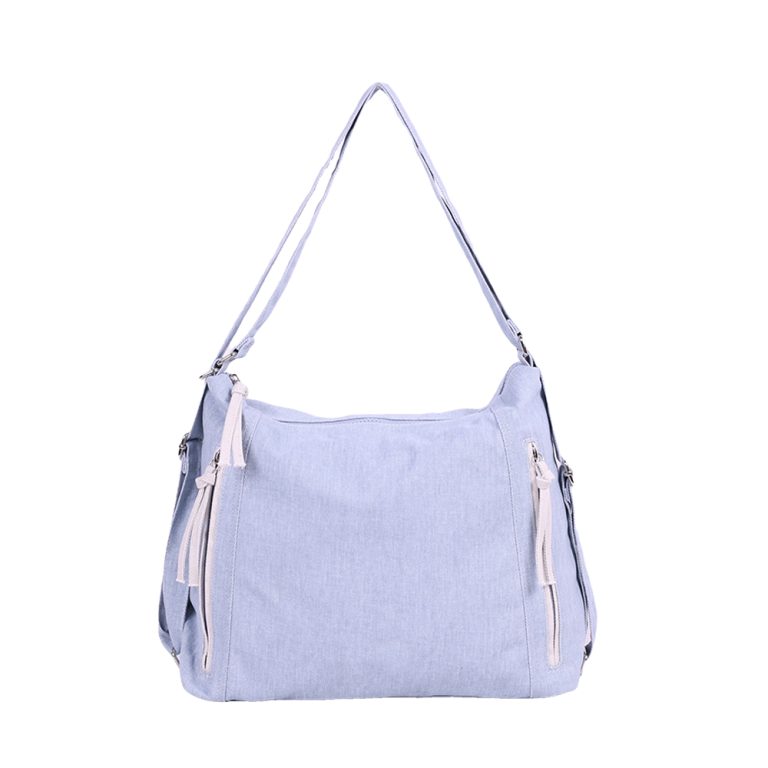
Clarify purpose and user scenarios
Decide where the bag will live: studio-only, urban commute, or remote landscape work. Each scenario demands different priorities—studio favors quick access and neat cable loops; commute favors slim profiles and anti-theft features; landscape demands sealed seams and reinforced bases. Write three specific scenarios and rank features by necessity: protection, capacity, weight, and sustainability claims. This list becomes your non-negotiable spec sheet when you speak with suppliers.
Materials and measurable sustainability
Choose materials you can verify: recycled PET with a minimum recycled content percentage, TPU-coated canvas for water resistance without PVC, and metal hardware rated for corrosion. Request data: fiber origin, recycled content certificates, and test summaries for water repellency and abrasion. Specify exact tolerances—stitch density per inch, denier for fabric—and require mill test reports so claims translate into measurable components, not pleasant-sounding words.
Protection, fit, and modularity
Match interior geometry to your kit. Measure your largest lens and camera body assembled, then add 15–20% clearance for padding. Fix padding thickness and density in the spec (EVA at certain shore hardness or closed-cell foam) and define removable divider sizes. Decide whether modular pockets should attach by hook-and-loop or fixed seams; modularity increases versatility but raises seam complexity during manufacture.
Manufacturing quality-control checkpoints
Insist on pre-production samples, inline inspections, and a final random audit. Set clear acceptance criteria: zipper pull tensile strength, seam pull tests, and water spray resistance at a defined PSI. Include a fail-and-repair protocol—what counts as rework, who pays, and acceptable defect rates. Require photographs and short video clips during each inspection stage; still images alone conceal sequence or technique faults.
Testing regimen and lifecycle expectations
Demand simple, repeatable tests from suppliers: drop tests from specified heights, abrasion cycles, and zipper cycle counts. Define expected service life in usable years given X average trips per month. Ask for sample testing results and, where practical, conduct your own field trial with the intended user for a minimum of two weeks to expose real-use wear that lab tests often miss.
Common procurement pitfalls to avoid
Do not accept vague sustainability claims without documentation. Avoid quotes that lack breakdowns of material costs versus workmanship; hidden charges appear at tooling or sample stages. Do not let comfort features be afterthoughts—shoulder strap geometry that looks good on paper can bruise shoulders in practice. Put warranty terms in the contract, not a brochure.
Experience, expertise and a real-world anchor
Years of designing and specifying camera carriers teach plain lessons: small choices create large failures. Photokina in Cologne, long regarded as a barometer for professional photography equipment, repeatedly highlighted the same truth—practicality sells better than flourish. For buyers who want an immediate reference that combines tested geometry and pragmatic pockets, consider the tested option available as Photography Gear Bag, which exemplifies the specifications buyers request at trade shows and in field trials.
Viable alternatives and trade-offs
Soft-shell daypacks trade protection for weight savings; hard cases offer supreme protection but cost and bulk rise. Custom inserts can adapt a travel bag into a photo bag, but precision cuts raise per-unit cost and complicate returns. Choose one route and own the trade-offs: if you prioritize minimal bulk, accept tighter fit; if you prioritize protection, accept added carry weight.

Procurement checklist, distilled
Require: clear use-case scenarios; exact material specs and certificates; pre-production and inline samples; defined inspection metrics; field-testing plan; transparent pricing with tooling allowances; and an enforceable warranty. Use these items to evaluate proposals quickly and to compare suppliers on equal terms.
Closing synthesis
Procurement is an exercise in purposeful restraint: specify the exact needs, insist on measurable evidence, and measure prototypes against real use. Where supply meets those demands, the result is a quiet companion that keeps gear safe and serviceable. For buyers who prize craft and specification over rhetoric, the thoughtful choices above lead to durable, well-measured outcomes like those offered by ChangRong.