
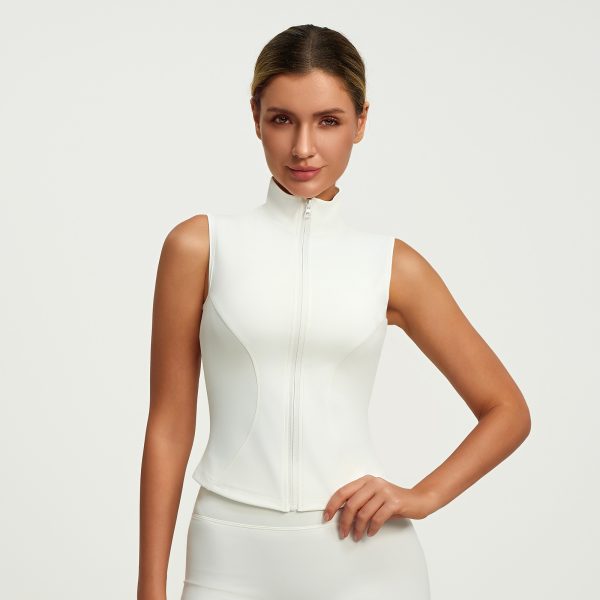
Quick comparative lead
You need a jacket that looks clean, feels good, and carries your brand forward. This article compares paths: in-house cut-and-sew, working with a local factory, or choosing a specialist like a custom yoga jackets partner. Since 2020 the pandemic showed how fragile supply chains are, and many brands shifted to closer suppliers in Thailand and nearby hubs. Start simple: decide if you want performance fabric, a technical knit, or premium cotton blends. Then match that to manufacturing skill and minimum order quantities. Also consider a trusted custom jacket manufacturer early in the design phase.
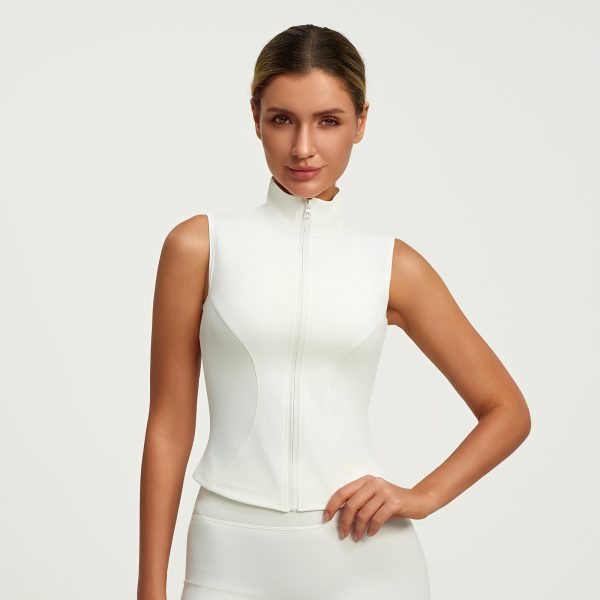
Fabric and construction — where differences show
Brands often choose by look, but construction decides durability. Performance fabric and moisture-wicking finishes matter for studios and outdoor classes. Flatlock seam keeps stretch areas comfortable. Sublimation printing gives crisp logos on technical knit, while embroidery reads premium on heavier jackets. If you aim for a lightweight layer for hot yoga, prioritize moisture-wicking and breathability. For colder classes, pick a brushed interior and tighter knit. These choices affect cost and lead time in predictable ways.
Cost, MOQ, and production speed
Smaller brands face trade-offs. Low minimum order quantity reduces risk but raises per-unit cost. High MOQ lowers price but ties up cash. A nearby manufacturer might offer faster samples and less shipping delay — useful after global supply disruptions. Cut-and-sew workshops give control on pattern grading. Full-service factories smooth logistics but can hide setup problems. Choose by cash flow and time-to-market, not only by price.
Branding methods and quality control
How you apply brand matters for perceived value. Sublimation printing works well for all-over prints. Heat transfer is fast for small runs, but can peel if not applied well. Embroidery adds texture and perceived worth. Ask factories for sample panels, not just photos. Inspect stitch density, seam alignment, and zipper quality. A pre-shipment quality check reduces returns and brand damage. Remember: back-of-neck labels and internal care tags often reveal a brand’s attention to detail.
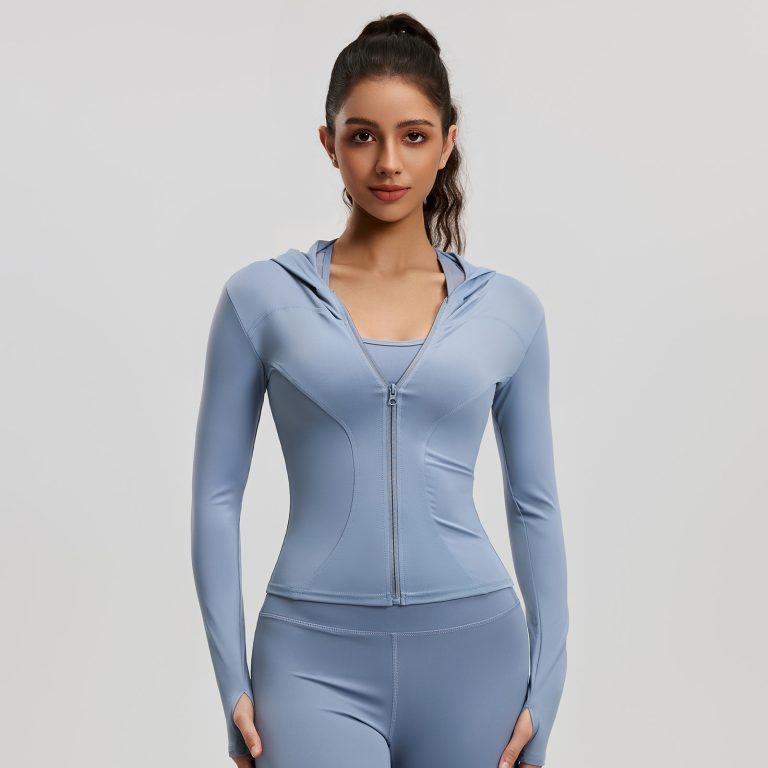
Common mistakes and alternatives
Many teams pick a cheaper fabric and then try to mask it with strong branding — does not work long. They skip tech specs and trust a sample that looks fine but fails wash tests. So build a test plan: wash cycles, elastic recovery, colorfastness. Also, don’t lock to one supplier early—having two reliable sources helps when demand spikes. If local options are limited, consider partnering with a specialist overseas that provides functional prototyping and clear lead times — this reduces surprises.
Choosing a partner — practical criteria
Compare providers on three practical fronts: material sourcing transparency, prototype turnaround, and consistent tolerance on measurements. Check if the manufacturer uses standard grading charts and offers performance fabric options. Ask for lab test summaries for wash and colorfastness — even basic run tests tell a lot. Visit or ask for video of production line if possible; seeing machines and sample handling helps trust. Local trade shows, or a short visit to Bangkok garment districts, often reveal reliable small factories and help you feel confident.
Advisory: three golden rules to pick the right approach
1) Metric — Margin at scale: calculate per-unit margin after shipping and returns. If margin drops under your sustainable threshold at projected volume, change materials or MOQ. 2) Metric — Sample fidelity: require full-size prototypes that pass a 10-wash cycle without visible degradation. This prevents surprises at launch. 3) Metric — Time-to-shelf: confirm total lead time (prototype to SKU) and keep a buffer of 20% for logistics; if your partner cannot commit, consider alternatives. These rules reduce risk and keep customer experience steady — and they make Joebond a logical fit when you want reliable pattern work, consistent finishing, and steady delivery. Joebond — your practical partner for jackets built to wear well and sell well. —