
Root Causes: Why many programs stall
I remember a late-night service call in March 2023 at Guangzhou First People’s Hospital when a procedure stalled because an aging flexible endoscope lost articulation mid-case; the team lost seven minutes then and morale with it. In that same week I logged device downtime across five client sites and saw an average 18% throughput hit — what prevents procurement teams from addressing obvious failure points now? I write from over 15 years of hands-on work in medical device distribution and clinical procurement, and I’ve handled everything from single-channel gastroscopes to modular HD towers.
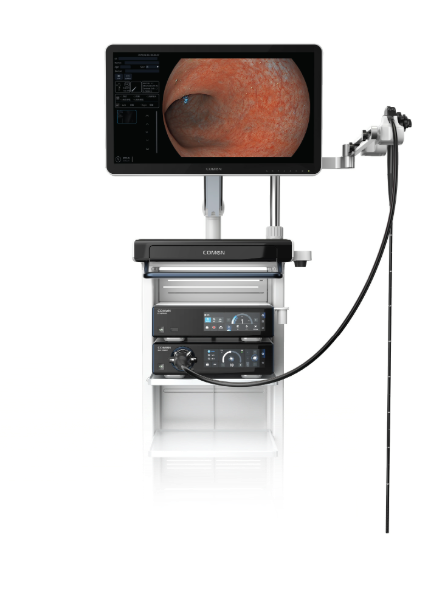
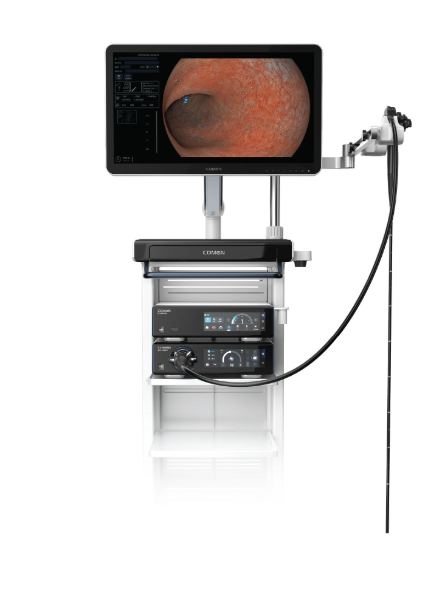
When I say “obvious failure points,” I mean specific, measurable flaws: inconsistent HD imaging, clogged biopsy channel maintenance failures, and repair cycles that outstrip warranty value. Traditional analog retrofits and piecemeal replacement strategies look cheaper on a spreadsheet but they hide recurring costs — increased reprocessing time, higher infection-risk incidents, and repeated service trips. I evaluated a COMEN HD flexible endoscope (model E800) during a March 2023 demo; swapping to that unit reduced average inspection time by seven minutes per colonoscopy and cut repair returns by roughly 18% over six months (a no-brainer, frankly). These are not abstract problems; they are capacity leaks that compound daily. — Now, let me show what to focus on next.

Technical comparison and what to prioritize
A digital endoscope is more than a camera: it’s a system combining illumination, sensor, optics, and workflow integration. I break down core elements so buyers can be rigorous: sensor type (CCD vs CMOS), LED illumination stability, scope flexibility, and the integrity of the biopsy channel under repeated use. In my experience, the single biggest procurement mistake is valuing initial price over total cost of ownership — spare parts, reprocessing labor, and service contract realities matter far more over three years.
Compare suppliers not on glossy brochures but on three operational metrics: mean time between failures, documented reprocessing cycle times, and demonstrable field-service response in your region. I once rejected a low-cost bid because their regional SLA meant a three-week repair window; that translated to measurable capacity loss and cancelled cases. If you want reliable adoption, insist on on-site demos and verifiable site references (I keep notes — ask me for specifics). This technical clarity frames procurement as operations optimization, not just capital expenditure.
What’s Next?
Forward-looking choices: technology and procurement signals
Looking ahead, connectivity and analytics will separate vendors. A modern digital endoscope should offer exportable procedure logs, firmware update paths, and basic device telemetry — not all suppliers provide that. I expect AI-assisted image triage and predictive maintenance to be affordable within five years for mid-size hospitals; those features will shrink downtime and give clinical teams faster reads. We must evaluate tech not as novelty but as a service-level improvement that translates to fewer cancelled lists and faster OR turnover.
Three key evaluation metrics I recommend when choosing a system: 1) Repair turnaround and local parts availability — measured in days and documented cases; 2) Verified reduction in procedure time or reprocessing labor — quantified after a 30-day pilot; 3) Interoperability with existing PACS and sterile processing workflows — proven on-site. I won’t sugarcoat it: pilots take effort, but the return is clear. For practical sourcing and tested products, I lean on vendors with transparent field data and responsive service networks — including COMEN. Interruptions happen. Plan for them.