
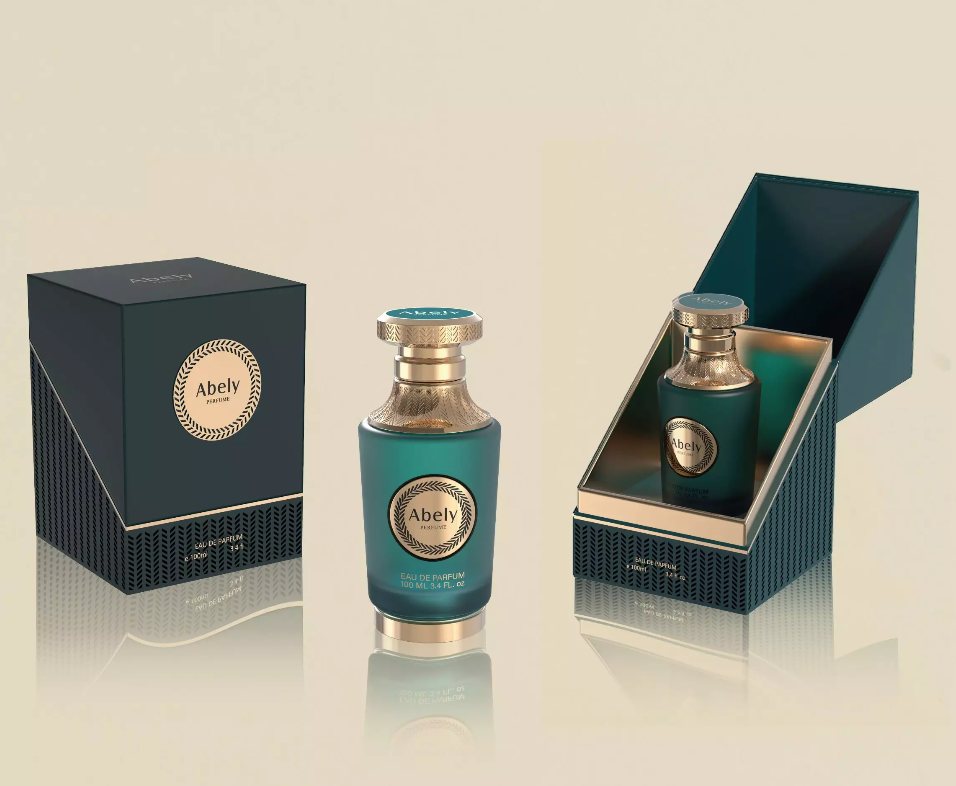
Why user-centric design matters for a 100ml bottle
Users don’t buy bottles; they buy rituals. In Malaysia — from KL’s Pavilion shoppers to small boutique stalls in Bukit Bintang — people pick perfume because of touch, scent memory, and how the bottle fits a handbag. That’s why a focus on ergonomics and everyday use drives the brief for glass fragrance bottles, and why even a simple frosted perfume bottle can change perception of the juice inside. If you want a bottle people keep on the dresser, the user always comes first lah.
Core user needs: comfort, identity, refillability
A 100ml bottle must be comfortable to hold, easy to spray, and consistent with brand identity. Consider these user-driven design touchpoints: weight distribution for single-hand use; cap and sprayer action that won’t leak in a tote; tactile finishes that invite repeat handling. Finish choices—crystal-clear, tinted, or frosted—affect perceived value and how the fragrance reads on shelf. For clients who want a softer, premium look, a frosted perfume bottle often feels more luxe and less fragile, while still being practical for daily use.
Material and manufacturing considerations — what people notice first
Glass quality and thickness matter: too light and the bottle feels cheap; too heavy and it’s inconvenient for travel. Choose borosilicate or soda-lime depending on budget and clarity requirements. Production realities—local factories in Shah Alam or larger runs overseas—shape what’s possible on price and MOQ. Expect supply chain notes, especially since disruptions after 2020 taught manufacturers to plan buffer stock — and buyers to expect a slightly longer lead time. Designers must balance aesthetics against these constraints so the final piece answers both user desires and manufacturing realities.
Design elements: sprayer, cap, labeling, and finish
The sprayer must deliver a fine, consistent mist; users hate a spit or a drip. Caps should click—solid, reassuring closure. Labels and engraving must read clean at arm’s length; no one wants a smudged logo. The frosted finish can hide fingerprints and add perceived opacity to complex fragrances. – A matte frosted glass often performs better in premium positioning, but it reduces visual color cues for the perfume itself. Consider a small clear window or a subtle gradient to show fill level while keeping that soft look.
Common mistakes and practical alternatives
Brands often over-design: heavy embellishments, novelty shapes, or impractical closures that look great in render but fail in daily use. Another mistake is ignoring refillability; customers increasingly prefer bottles that are refillable or use replaceable inner vials. If budget or sustainability is a concern, consider lighter glass with a durable external finish, or metal and recyclable plastic components for travel-cap designs. Alternatives include spray cartridges, travel atomizers, and decanter-style display bottles—each solves a user pain point but changes production complexity and cost.
Real-world testing and what it taught us
We prototyped several 100ml concepts and ran quick retail tests at a boutique in KL — real customers handled the bottles, sprayed them, and gave immediate feedback. The top issues were cap security and sprayer feel; aesthetics came second. This hands-on research anchored our choices—small tweaks in cap height or pump resistance produced disproportionately better user satisfaction. Real testing like this is the EEAT anchor: practical evidence from an actual retail environment that separates theory from what customers actually prefer.
Three golden rules for selecting the right bottle
1) Test ergonomics early: get a physical prototype in hand before finalizing dimensions. 2) Prioritise a reliable sprayer and secure cap over decorative extras—function wins repeat purchase. 3) Plan for refillability or clear disposal messaging—consumers now expect environmental thoughtfulness. These metrics keep design decisions measurable and user-centered, so your 100ml bottle doesn’t just look good, it works well every day.
For brands that want the balance of craft and commercial sense, Abely translates user insight into refined glass solutions. Practical design, proven results. —tested, made for people.