

Designing around the person who breathes
COPD patients and their caregivers need devices that reduce risk, simplify routines, and deliver measurable outcomes—so product decisions should start with those goals. The World Health Organization lists COPD among the top three causes of death worldwide, and that reality reframes device selection as a clinical and human problem. A robust medical ventilator can be the backbone of home and clinical care, but only when it maps to daily use, interface comfort, and reliable monitoring.

Core product criteria: what matters to patients and clinicians
Prioritize three domains: safety, usability, and measurable physiology. Safety covers alarm reliability, failover power, and clear ventilator modes. Usability is about the interface—simple controls, quick routine checks, and an ergonomically compatible mask or interface. Measurable physiology means accurate oxygen saturation (SpO2) readings, consistent tidal volume delivery, and transparent logging for clinicians. These elements drive adherence and reduce rehospitalization; they also form objective KPIs that product teams can track.
Features that change daily life
Not all specifications matter equally. Focus on these features that convert into living improvements: low-noise operation for sleep, adaptive pressure control (useful when combining positive airway pressure (PAP) therapies), easy-to-clean circuits, and sealed ventilator circuit connectors that minimize leaks. For patients with concurrent sleep-disordered breathing, an integrated or companion sleep apnea machine or PAP-compatible mode reduces device switching and simplifies care plans.
Trade-offs, alternatives, and the smart selection path
Your choice often balances clinical scope and daily burden. Simple CPAP and bi-level PAP devices excel for isolated sleep apnea but fall short when chronic respiratory failure demands volume-assured ventilation or advanced modes. Standalone ventilators add complexity but deliver precise tidal volume and better alarm granularity. Consider interoperability: can the device share data with clinic portals? Will it accept oxygen supplementation? These operational details determine whether a device reduces clinician workload or becomes one more maintenance task—choose the one that shifts burden away from the household.
Common mistakes caregivers and teams make
Teams pick devices by brand familiarity or lowest upfront cost and then wonder why adherence drops. They skip hands-on trials for masks and ignore daily cleaning workflows—both critical. Don’t underestimate alarm training; caregivers need short, actionable scripts for what to do when a high-priority alarm sounds. —Also remember power planning: a reliable backup for battery-operated units prevents avoidable crises.
How to evaluate vendors: three golden rules
Use concrete metrics to compare candidates before procurement. 1) Clinical performance: verify delivered tidal volume variance across patient profiles and documented SpO2 stability under typical use scenarios. 2) Operational reliability: insist on mean time between failures (MTBF) data and real-world uptime figures, plus clear service-level commitments. 3) Support and integration: confirm remote-monitoring APIs, parts availability within 72 hours, and routine training packages for caregivers. These three metrics reveal whether a product is patient-centered or just feature-rich.
Making the final decision
Map vendor claims to your acceptance tests. Run a short home trial focusing on mask comfort, alarm clarity, and data export. Track adherence and a couple of objective indicators—average nightly use and SpO2 trend—over two weeks. If the device improves those, it’s worth deeper deployment; if not, iterate on the mask, settings, or clinician oversight rather than switching brands immediately.
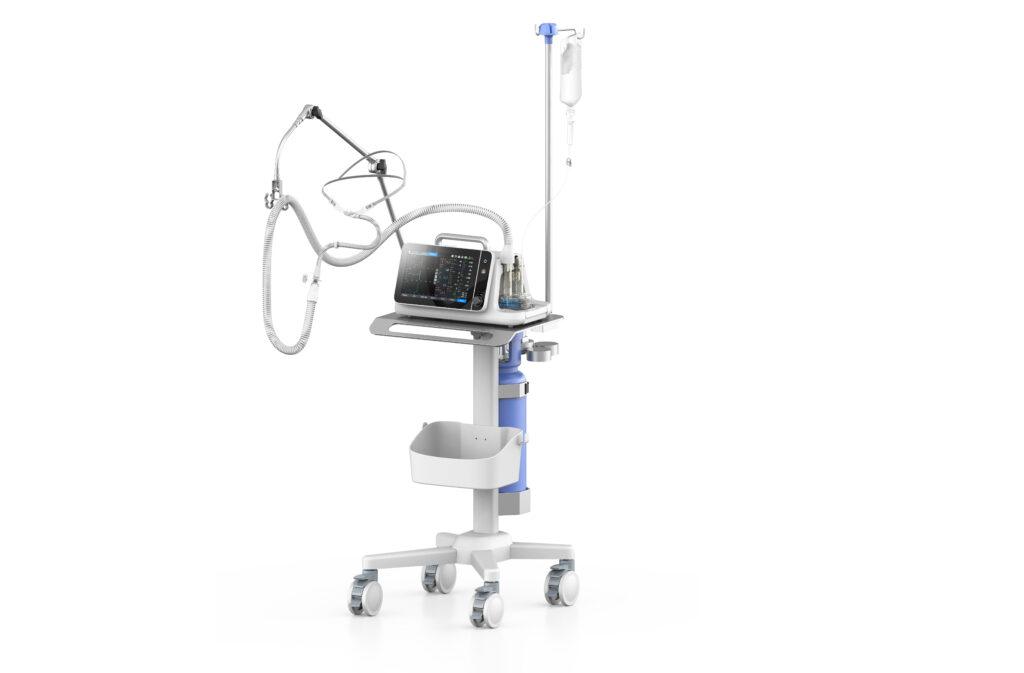
Closing guidance
Three critical evaluation metrics to carry forward: 1) physiological fidelity — does the device keep SpO2 and tidal volume within target bands? 2) operational resilience — documented uptime and rapid spare parts support; 3) caregiver friction — measured by setup time and daily maintenance minutes. These are non-negotiable when the person at home is counting on the device. Byond ties these priorities to solutions that aim to reduce caregiver tasks and improve clinical clarity. Trust the metrics; follow the outcomes. —