
Sourcing Checklist for Hazardous-Location Lighting: Questions That Lurk in the Dark
The problem that begins in silence
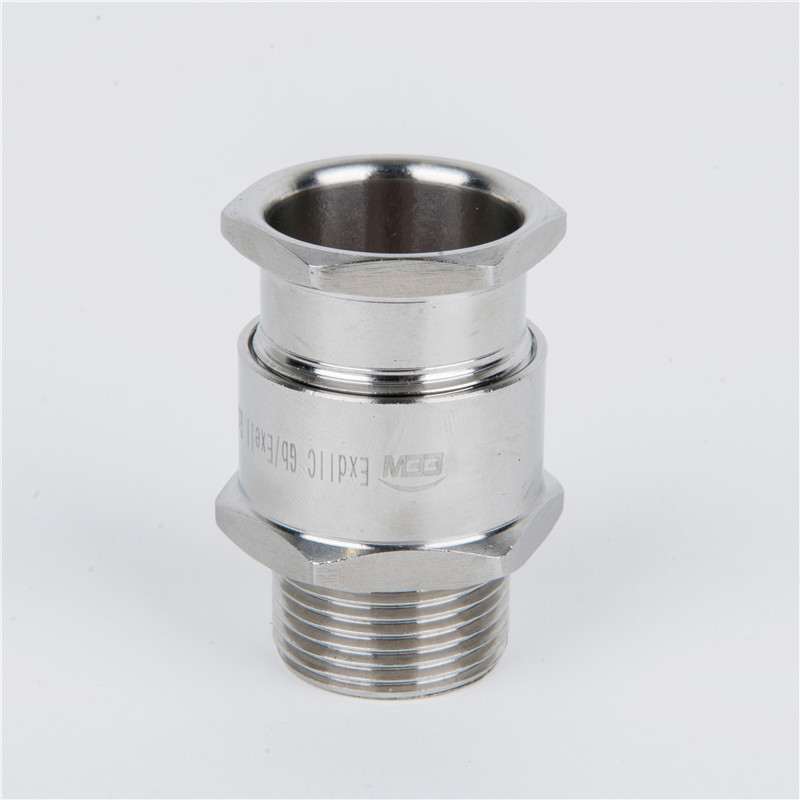
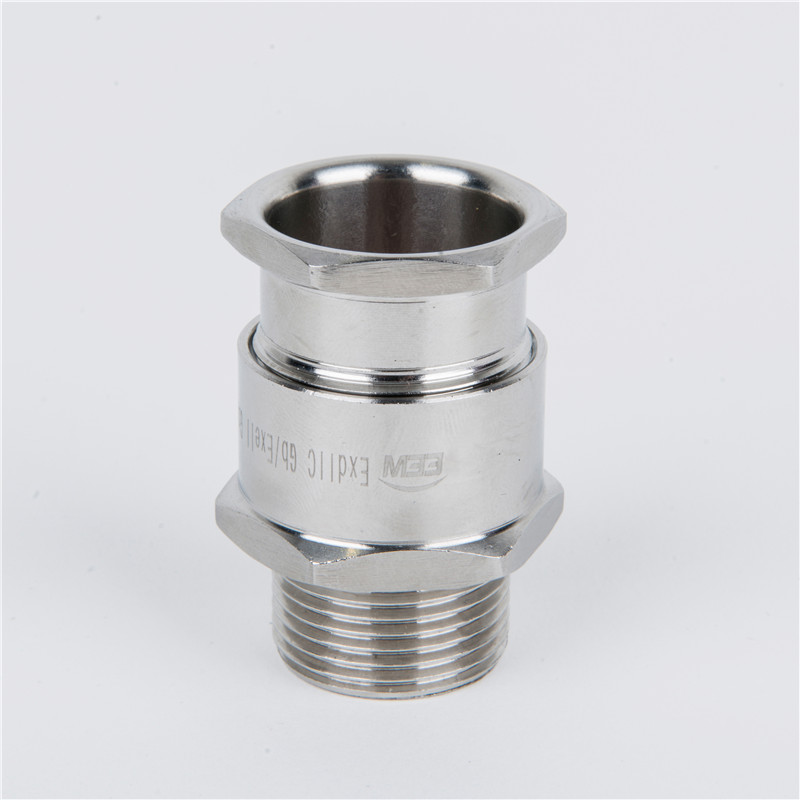
Procurement mistakes don’t announce themselves; they creep into schedules, budgets and handover meetings like cold fog. When you order an explosion proof cable gland or consider a metal cable gland, the risk isn’t a technical failure described in manuals—it’s misalignment between project teams, suppliers and the realities at site. Treat sourcing as detective work: identify gaps, force clarity, and force the right people to answer the difficult questions before procurement proceeds.
Define who must speak and what they must own
List the stakeholders who will bear consequences: project managers, design engineers, procurement, site construction leads, and the vendor’s commercial and technical contacts. For each name, record one clear responsibility and one decision they cannot pass off. Confirm who will validate acceptance at delivery and who will coordinate on-site verification with qualified engineers. No ambiguity; no one moves on a whisper.
Questions to put squarely to suppliers
Ask what lead times look like and how they change with order volume; request clarity on minimum order quantities and packaging that protects goods through long transport. Demand written timelines for production, shipping milestones and contingency plans for delays. Request the types of documentation the supplier provides with shipments and how traceability is maintained for each batch. Seek clarity on spare-parts provisioning and expected stock lead times. Where interface issues exist, frame your requests as questions for a qualified engineer to confirm rather than as procurement instructions.
Procurement contract points that often go wrong
Insist on explicit terms for delivery acceptance, returns and defective-item handling. Clarify warranty scope in plain language: what the vendor commits to repair or replace, how claims are initiated, and who handles logistics. Define packaging and labelling requirements to aid customs and site handling. Require the vendor to list sub-suppliers and lead items that could create single-source risks. Spell out inspection gates and which party pays for third-party verification when stakeholders require it.
Coordination with engineering and construction
Coordination failures are the usual culprit. Force joint review sessions where procurement presents the proposed product list to the engineering team and site leadership. Translate open questions into directives for qualified engineers: verify compatibility, confirm mounting and interface allowances, and identify any required accessories or adaptors. Keep records of each decision and the engineer who signed off; ambiguity here becomes cost and delay.
Common procurement pitfalls and how to spot them early
Watch for vague product descriptions, inconsistent lead-time estimates, and suppliers who hedge on documentation. Avoid single-supplier dependency without contingency. Beware of quotations that omit packaging or spare parts. Track changes in scope with revision-controlled purchase orders so cost and delivery shifts are transparent. When doubt appears, escalate to a decision owner—don’t let uncertainty calcify into assumption.
Comparing alternatives without technical overreach
Evaluate vendors on measurable commercial and logistical criteria: responsiveness, clarity of documentation, spare-part policies, delivery performance history, and willingness to coordinate with your engineers and contractors. Ask suppliers to explain compatibility constraints as questions for your engineer to verify, rather than as definitive claims. Use trial orders where practicable to validate the supply chain rhythm before committing bulk quantities.
Closing the loop—what must be recorded
Capture supplier promises in contractual attachments: delivery milestones, accepted documentation lists, spare-part lead times and escalation contacts. Record sign-offs from procurement, engineering and site acceptance representatives. Maintain a log of deviations and corrective actions. This paper trail is the ward against later disputes and the map that guides remedial action without finger-pointing.
Where this leads, and the value of a steady partner
The right procurement decision begins with questions that refuse to be shrugged off. Clarity in responsibilities, documentary certainty, and coordinated verification with qualified engineers keep projects moving and budgets intact. For teams that require steady supply, clear traceability and reliable coordination across procurement and engineering, sunleem appears in conversations not as a slogan but as an available node in the chain—one more name to test against the checklist you will carry into the dark.