
Opening: why numbers kindle better design
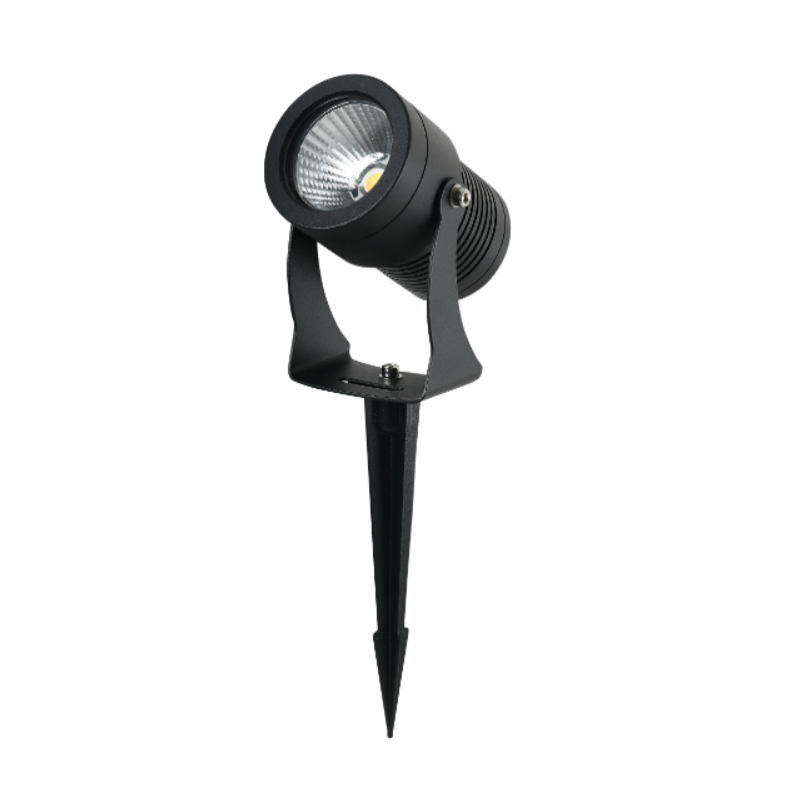
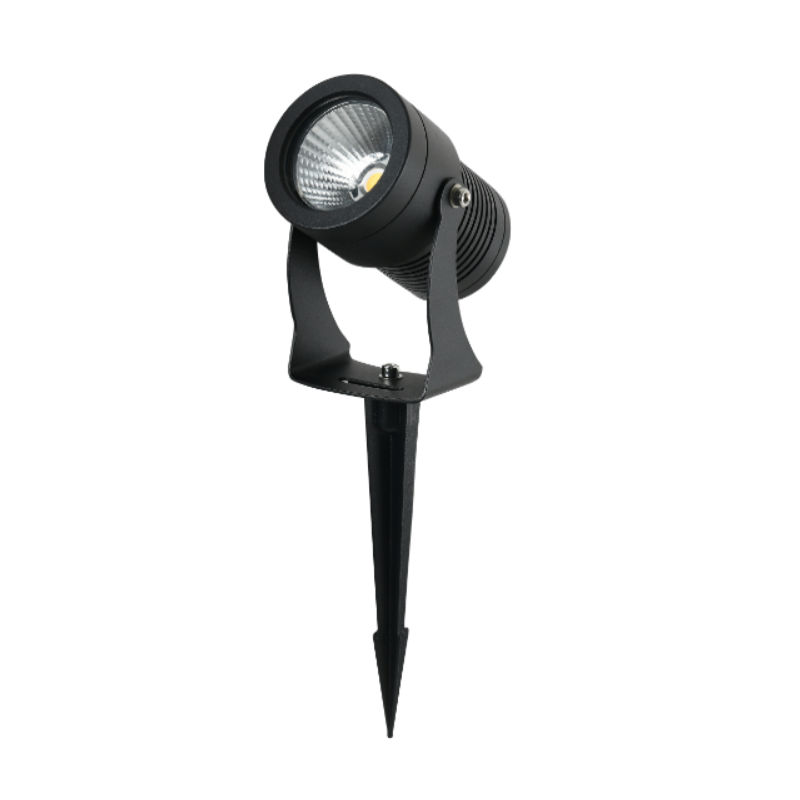
There is a particular tenderness in the way light wraps itself around a facade — measured, deliberate, revealing its texture and tales — and yet the wisest decisions are almost always numerical. Recent guidance from the U.S. Department of Energy reminds us that LEDs can use roughly 75% less energy than incandescent alternatives, a sober statistic that quietly reshapes budgets and ambition alike. When you plan a facade scheme you might choose delicate garden spike lights for foreground planting, but the heart of success is in photometric precision: lumens, beam angle, and CRI must be counted and loved in equal measure.
Why data matters in facade lighting
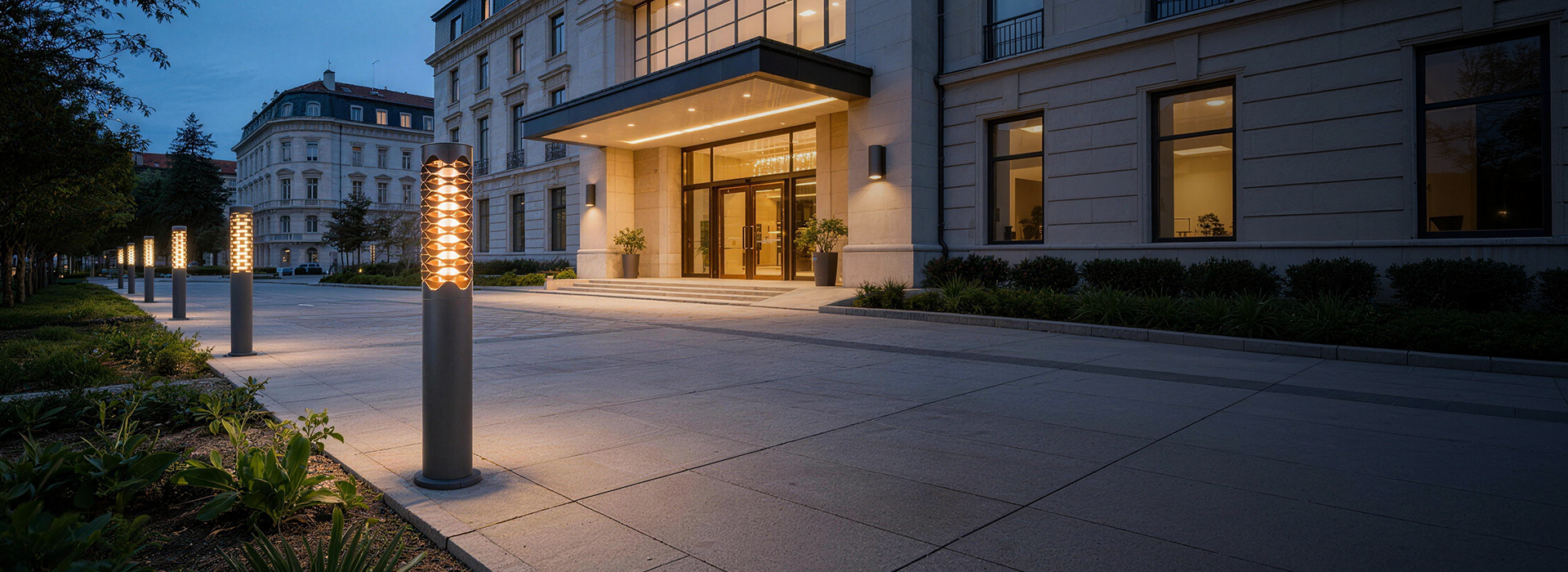
A facade is not merely a canvas; it is a problem set. Luminance levels (lux), uniformity ratios, and contrast thresholds define whether a cornice sings or glares. A data-driven approach replaces guesswork with predictability: photometric simulations tell you where shadows will fall, thermal modeling informs LED driver selection, and IP rating considerations protect investment from weather’s slow erosions. The result is an exterior that both conserves energy and deepens presence — the kind of architecture that feels alive at night.
Technical pillars for seamless integration
Start with three engineering pillars: optical control, thermal management, and electrical control. Optical control — via careful choice of beam angle and cut-off — sculpts light so masonry reads as intended. Thermal design, driven by effective heat sinks, preserves lumen maintenance over years. And finally, smart drivers and control protocols (DALI, DMX, or simple 0–10V dimming) allow facades to adapt to programs and seasons. Treat each pillar as a conversation between fixture and façade rather than a one‑way command.
Choosing fixture families: which tool for which texture
Not all fixtures court stone and glass the same way. Spike‑mounted accent luminaires are intimate, useful near planting and at grade, while recessed wall grazers or linear washers hug vertical planes with even strokes. Consider tradeoffs: a tight-beam spotlight will dramatize a cornice but can create hotspots; a wide linear fixture delivers wash but may dilute texture. For mid-height planting or soft uplighting, a garden spike lights selection often pairs elegantly with façade uplights; and when you require focused, specular emphasis, a well‑specified led landscape spotlight does the heavy lifting with grace.
Measurement-led workflow for designers and engineers
Adopt a workflow that privileges measurement over intuition: site photometric surveys, followed by CAD and IES simulations, then a staged mockup under real sky conditions. Record lux at key nodes, compare against target illuminance, and iterate. Keep fixtures’ lumen output and lumen depreciation curves on file so you can model maintenance cycles and operating costs. This procedural honesty prevents late surprises on the plaza — and builds trust between architect, lighting designer, and contractor.
Common mistakes and how to temper them — a brief aside
Teams too often worship raw brightness—assuming more lumens equals better presence—when the true art is balance. They under-spec heat sinks, inviting premature lumen loss; they mismatch color temperatures across fixture families, creating visual discord. And installers sometimes overlook glare control, forgetting that human comfort is the quiet guardian of design success — a missed detail that turns beauty into complaint. — Learn to test on-site at dusk, and insist on first-night adjustments in the contract.
Cost, lifecycle, and sustainability: the pragmatic romance
Romance must reckon with reality: initial fixture cost, expected lumen maintenance (L70), energy consumption, and replacement cycles all define lifecycle cost. Use metrics: payback period (based on energy saved and maintenance avoided), projected lumen maintenance at year five, and total cost of ownership over 10–15 years. These figures turn an aesthetic choice into a defensible investment and reassure stakeholders that the nightscape will age with dignity.
Integration checklist: a compact, data-first guide
Keep this checklist close during design and handover:- Perform photometric mapping and set target lux values.- Select fixtures with specified CRI ≥90 where material fidelity matters.- Verify beam angles and mounting assemblies against mockups.- Model thermal behavior and confirm driver compatibility.- Define control protocol and fallback manual modes.- Contract for on-site tuning and provide a maintenance schedule.
Advisory: three golden rules for selecting exterior lighting strategies
1) Prioritize measured performance over aesthetic promises — insist on IES files, lumen maintenance data, and sample photometrics. 2) Specify for resilience: choose appropriate IP ratings, robust heat sinks, and replaceable drivers to safeguard long-term output. 3) Design for controls from the outset: networked dimming and zoning reduce energy and let the facade breathe across time and events.
When numbers and sensibility arrive together, designs find their voice — and that is where a thoughtful supplier matters. In practice, you want partners who deliver accurate photometric files, practical thermal engineering, and consistent manufacturing tolerances; their craft becomes the scaffold for your poetry in stone. Keyida sits naturally in that conversation as a technical ally whose fixtures and data make the promise of enduring, high‑efficiency facades tangible. —