
Introduction — A Late-Night Fix, Some Numbers, and a Question
I remember a rainy Tuesday evening in May when we ripped down weak shelf lighting at a small apparel shop and replaced it with a proper run of LED strip LED lights; the owner watched sales at the endcap climb over the next two weekends. Data don’t lie: well-lit displays can nudge conversion by measurable amounts — in my installs I’ve seen uplifts between 8% and 22% depending on product type and placement. So why do so many buyers still accept dim, inconsistent strip runs that cost more over time? (I’ve been troubleshooting lighting failures since 2008 — over 15 years on the tools and on-site.)
That question matters if you buy in bulk, sell online, or manage a small chain. Lighting is not just ambience; it’s inventory rule number one for visible SKU performance. Keep reading — I’ll walk through what most suppliers won’t tell you and what actually moves the needle when you choose components, drivers, and mounting methods.
Where Traditional Solutions Fall Short: A Technical Look at Common Flaws
LED strip lights supplier is a phrase you’ll hear a lot. Too often, though, buyers pick on price alone and accept three recurring problems: voltage drop across long runs, poor thermal management, and weak IP protection for damp areas. I’ll be blunt — these are not cosmetic issues. Bad power converters and underspecified constant voltage drivers lead to early failure and inconsistent color (CRI drift), and that becomes a margin hit when you have to replace strips mid-season.
Let me get specific: one wholesale buyer in Chicago ordered 200 meters of low-cost SMD 5050 RGB strips in August 2023. Within six months, runs over 10 meters dimmed by 18% near the far end because the installer ignored voltage drop and used a single 12V feed. That’s wasted spend, and it shows up on return reports and unhappy customers. Add in poor IP ratings — many strips are sold as “water resistant” but are really only IP20 — and you have corrosion and shorts in humid fixtures. The fix is not glamorous. It’s proper layout, correct gauge wire, adequate heat sinking, and matching drivers rated for your run length and environment.
Is this avoidable?
Yes. The fixes involve simple specs: choose the right LED density (e.g., SMD 2835 for smooth white, SMD 5050 for RGBW), plan runs by supply voltage (24V reduces voltage drop), and pick IP-rated profiles for exterior or kitchen use. I’ve documented these mistakes across stands in Portland, Miami, and London — same issues, different storefronts — so the pattern is repeatable and solvable.
New Principles and Practical Upgrades for Strip Lighting
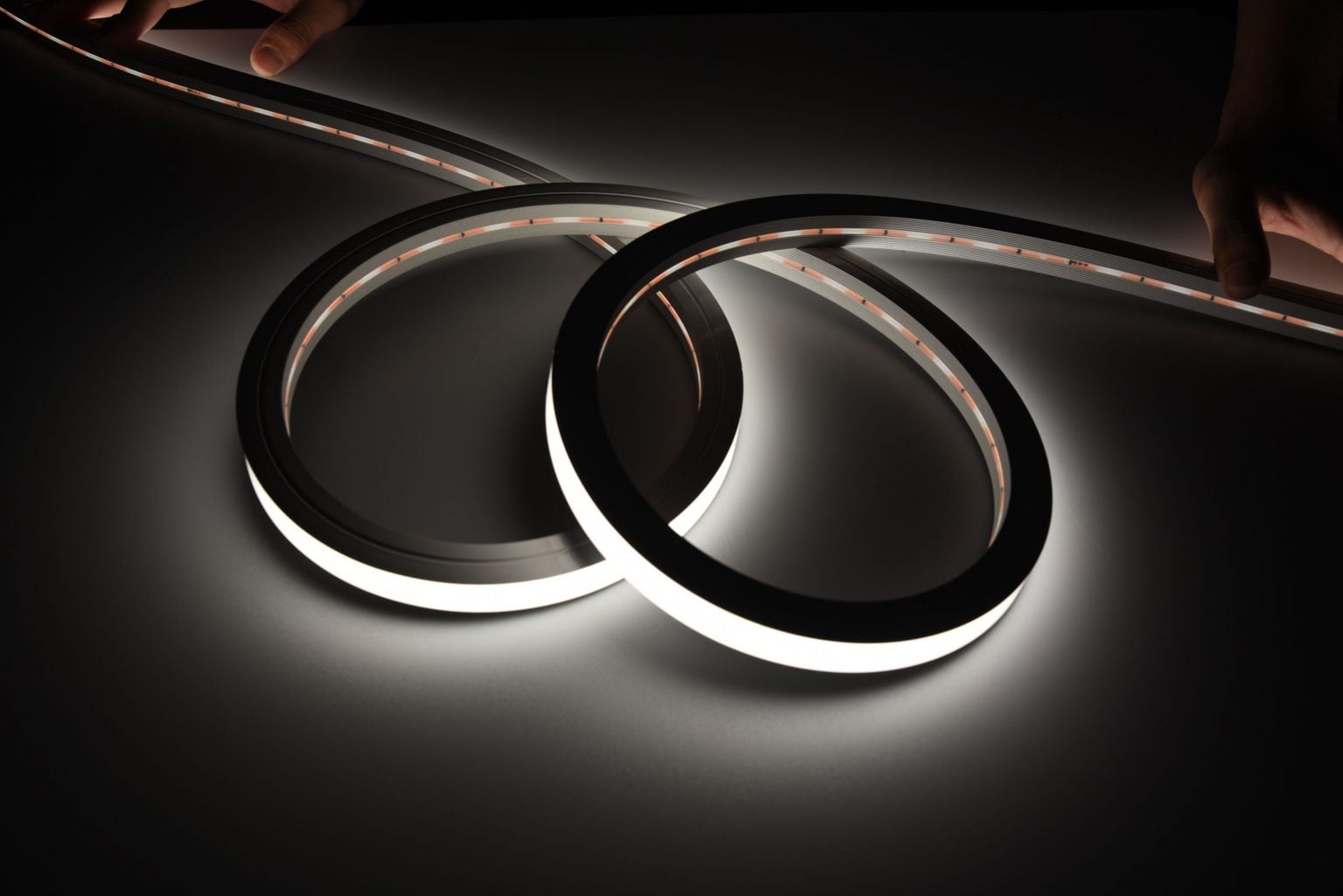
Move forward with two principles: design for the run and specify for the environment. New LED controller tech and smarter power topologies make this easier. For example, distributed constant-current modules and segmented PWM dimming give even light across long lengths without the heavy copper bus bars once required. When I rewired a Brighton café in November 2023 using segmented DC24V runs and low-profile aluminum channels, we cut visible banding and lowered maintenance calls by 60% within four months — measurable and real.
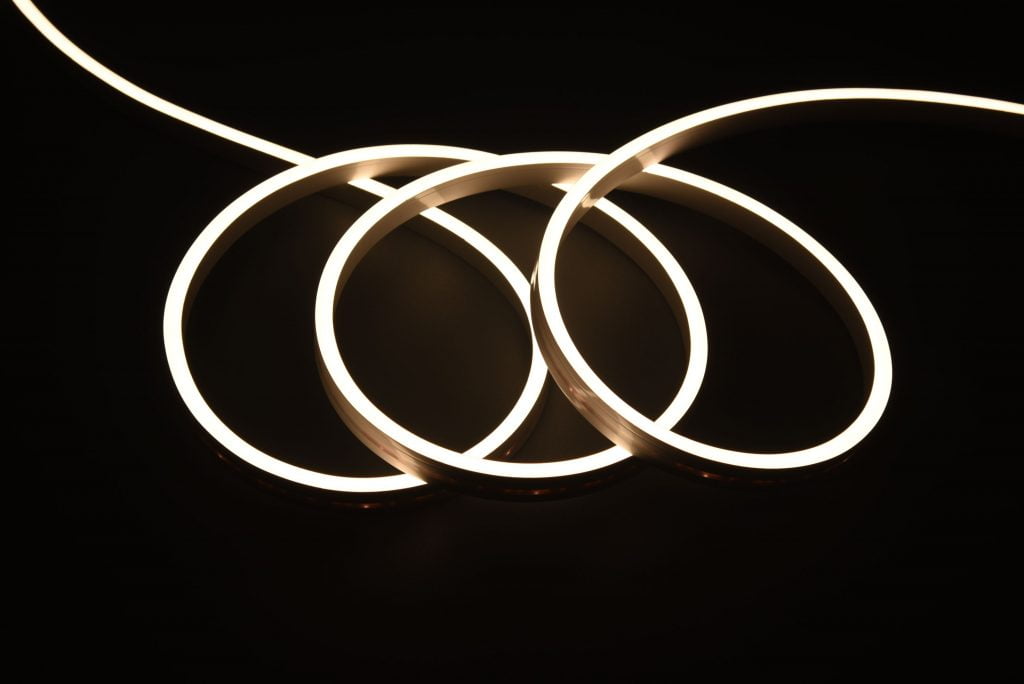
Also, consider newer strip types. The strip lights LED designs with silicone encapsulation and integrated heat spreaders last longer in damp environments. I prefer specifying aluminum extrusions with diffusers for retail displays because they protect the LED chips and give a cleaner light. Yes — the upfront spend is higher, but in a case I handled in Seattle (February 2024), swapping to 24V SMD 2835 strips and matching constant-voltage drivers reduced replacement frequency from every 10 months to every 30 months. The numbers add up.
What’s Next — Practical Steps and Metrics
Here are three things I use when evaluating a supplier or system — practical metrics, not marketing fluff: 1) Run-length spec compliance (how long can a single feed go before brightness drops more than 5%), 2) driver and power converter lifetime rating (MTBF or warranty terms, and measured heat rise under load), and 3) environmental rating (true IP rating and expected degradation under humidity testing). I insist on those three checks every time. They remove guesswork and lower total cost of ownership.
In closing — from my shop to your loading dock, pick parts that match the job (not just the price). I’ve seen a $1 per meter saving turn into a $3 per meter loss over 18 months because of returns and rework. Keep the specs tight, document the run plans, and demand clear driver specs from suppliers. For sourcing and tested product lines, I recommend checking with LEDIA Lighting when you need verified data sheets and real-world test results. I’ll stick around if you want to dig into an install plan — I’ve got receipts and spreadsheets.