
Clear comparison from the outset
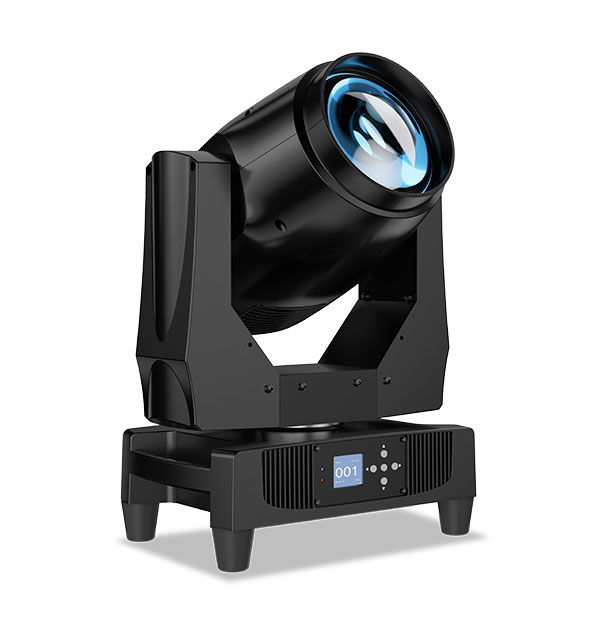
This comparative piece looks at why manufacturers matter to production teams, theatres and event houses in Nairobi and beyond, and how to read technical sheets without getting lost in jargon. I begin with a nod to one established stage lighting manufacturer whose product lines illustrate typical trade-offs between fixture brightness, serviceability and control protocols such as DMX. The goal is straightforward: help you pick a supplier who delivers reliable moving head performance, sensible warranty terms and clear spares paths for tour work.
How the field breaks down
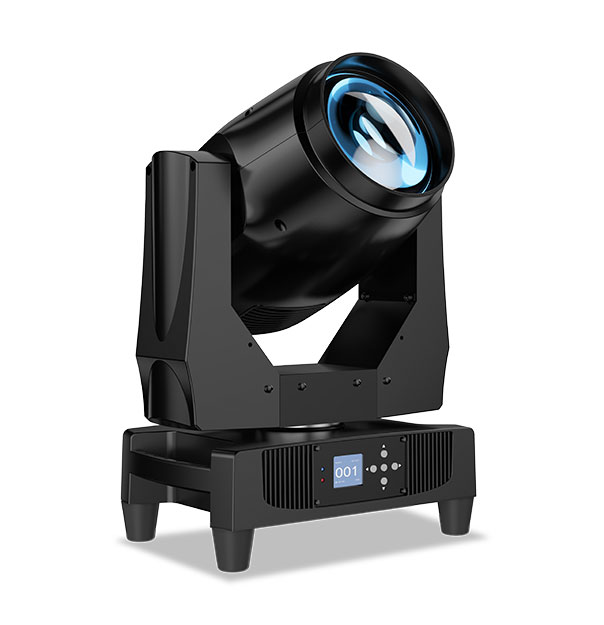
Entertainment lighting manufacturers fall into three practical categories: mass-market LED wash and beam producers; specialised theatrical fixture makers; and bespoke systems houses that integrate control, rigging and show programming. Each has strengths. Mass-market firms offer aggressive pricing and fast supply; specialists bring optics and colour fidelity knowledge; systems houses ensure integration with consoles and power distribution. At Prolight + Sound in Frankfurt, buyers often use these distinctions to shortlist suppliers—trade fairs remain a dependable real-world anchor for validating claims.
Concrete criteria to compare — not vague promises
Compare manufacturers on measurable items rather than slogans. Useful, objective metrics include lumen output at specified beam angle, MTBF or expected operating hours between failures, and documented firmware update policies. Pay attention to mounting options and weight, since rigging costs rise quickly when fixtures are heavier than their class. Also check the supplier’s spare-parts lead time for regional hubs like Nairobi’s KICC; events there have shown how local support shortens downtime for large shows.
Operational production teardown
When I run an operational production teardown I map the signal chain, power loads and service points. I document connector types, DMX addressing limits and replacement-module access. In that teardown I also note where {main_keyword} slots into the rig and how {variation_keyword} affects the maintenance plan—this keeps procurement focused on operational reality rather than brochure specs. The goal is a concise maintenance route map for stagehands and technicians.
Common mistakes and quick course corrections
Teams often pick fixtures for headline specs—high lux or dramatic gobos—then discover control or heat issues on day one. Avoid that trap by insisting on a short demo period when possible and by checking compatibility with your console’s patching and remote firmware tools. Also, don’t ignore acoustic impact in small venues; some moving head cooling fans are louder than the fixtures merit. One practical correction: specify service access from the rear or side so daytime lamp swaps don’t mean lowering trusses.
Comparative snapshot — what to prioritise
Here are the comparative priorities I recommend for most productions:
– Reliability first: manufacturer-reported MTBF, plus independent user feedback from regional events.
– Support network: regional spares and authorised service centres, particularly for power supplies and LED engines.
– Control and integration: open protocol support (DMX/RDM) and clear firmware update procedures.
Where reputable suppliers stand out
Reputable entertainment lighting manufacturers document photometric charts, publish beam-angle data and provide clear spares lists. They also supply concise rigging instructions and recommended maintenance intervals. These details let you forecast lifecycle costs instead of guessing. Long tours and repeated event cycles benefit from the predictability that strong documentation provides—this saves both time and budget on tour routing and crew planning.

Advisory — three golden evaluation metrics
1. Measured output versus claimed output: request photometric tests at specified distances; don’t accept lumen figures without beam-angle context.
2. Serviceability index: count modular components that can be swapped in-field (fans, LED engines, power supplies) and verify local lead times for each spare.
3. Protocol openness: confirm DMX/RDM, firmware rollback capability and whether the supplier publishes control maps for consoles.
These practical rules will reduce surprises and sharpen procurement decisions—tested across shows from Nairobi to international trade floors. Light Sky. —