
Direct comparison starts with the job to be done
Match each vendor claim to your actual task before looking at glossy specs. If you need continuous tracking across a yard, compare how manufacturers define “long range” and what read geometry they measure. Check sample RFID Tags for claimed range figures, reporting intervals and environmental ratings, then line those up against your real routes and attachment points.
Which technical numbers matter most
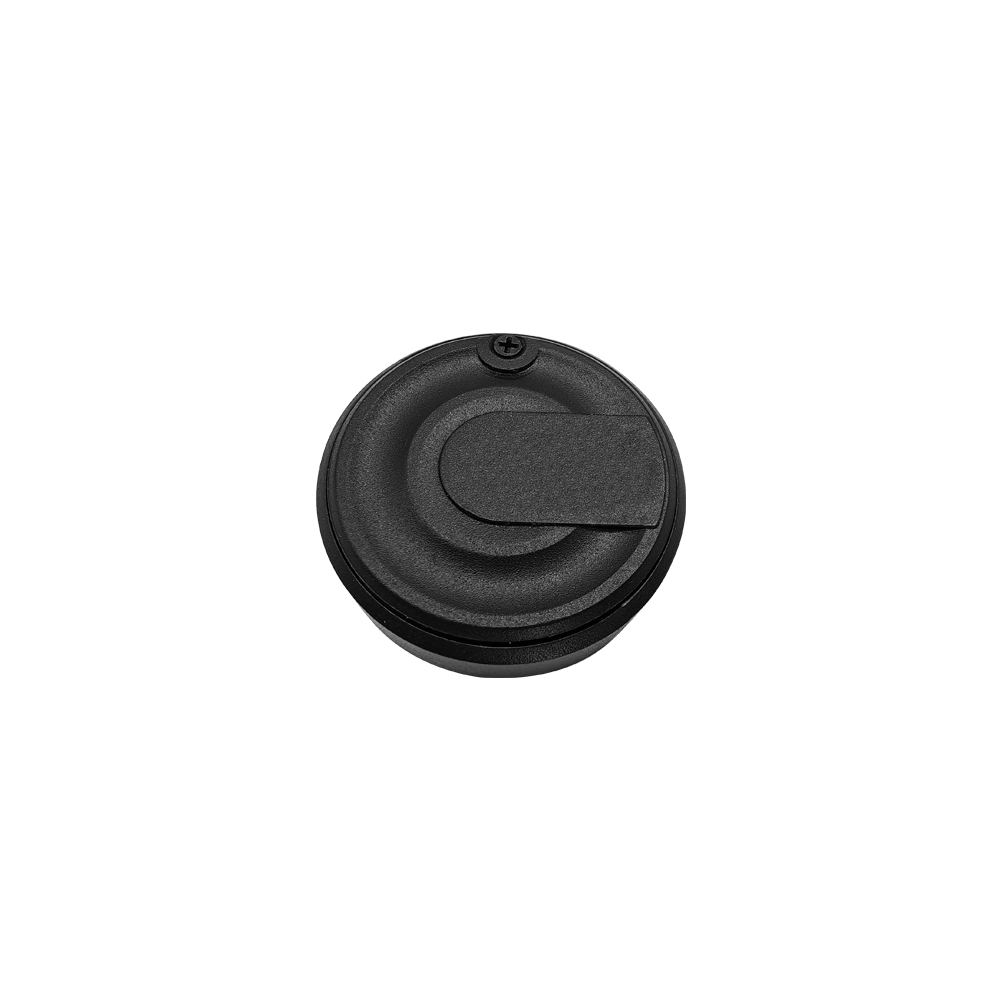
Focus on antenna gain, transmit power, reporting cadence, and battery chemistry. Active tags that advertise tens to hundreds of metres often trade off update rate and battery life. Expect battery life reported as a range—typically months to several years depending on broadcast frequency. Verify operating frequency: long-range systems commonly use 433 MHz (ISO 18000‑7) or proprietary bands; each affects penetration and regulatory limits. Also check whether the supplier provides RSSI curves or probability-of-detection graphs rather than single-number “maximum ranges.”
Field evidence, standards and supplier credibility
Logistics hubs such as the Port of Rotterdam require sustained reliability; they set practical expectations you can emulate for trials. Use that lens when judging vendor documentation: look for third-party test reports, compliance with ISO 18000‑7 or regional radio regulations (FCC/ETSI), and customer case studies with measured metrics. If you want a place to start sourcing hardware and testing samples, consider an established rfid tag supplier that documents lab methods and field trials. Supplier transparency on test setups is the best early filter.
Practical validation steps to run yourself
Run three tests: static range, dynamic passage, and interference stress. Place tags at controlled distances with the same antenna height and orientation, then record success rates at each range. For dynamic tests, measure detection reliability at relevant vehicle speeds and angles. For interference, introduce common noise sources present on site—nearby Wi‑Fi, metal shelving, and other radios. Require vendors to supply raw logs so you can compare detection probability, not just a statement of “works to X metres.”
Common mistakes buyers make
Buyers accept single-number range claims, ignore duty-cycle effects on battery life, and skip environmental qualification. They also assume all active tags use the same protocols—some are closed systems that lock you into a vendor’s readers and cloud. Insist on interoperability data, maintenance schedules, and return policies for failed batches. Avoid long contracts before a successful multi-day field trial.
When alternatives make sense
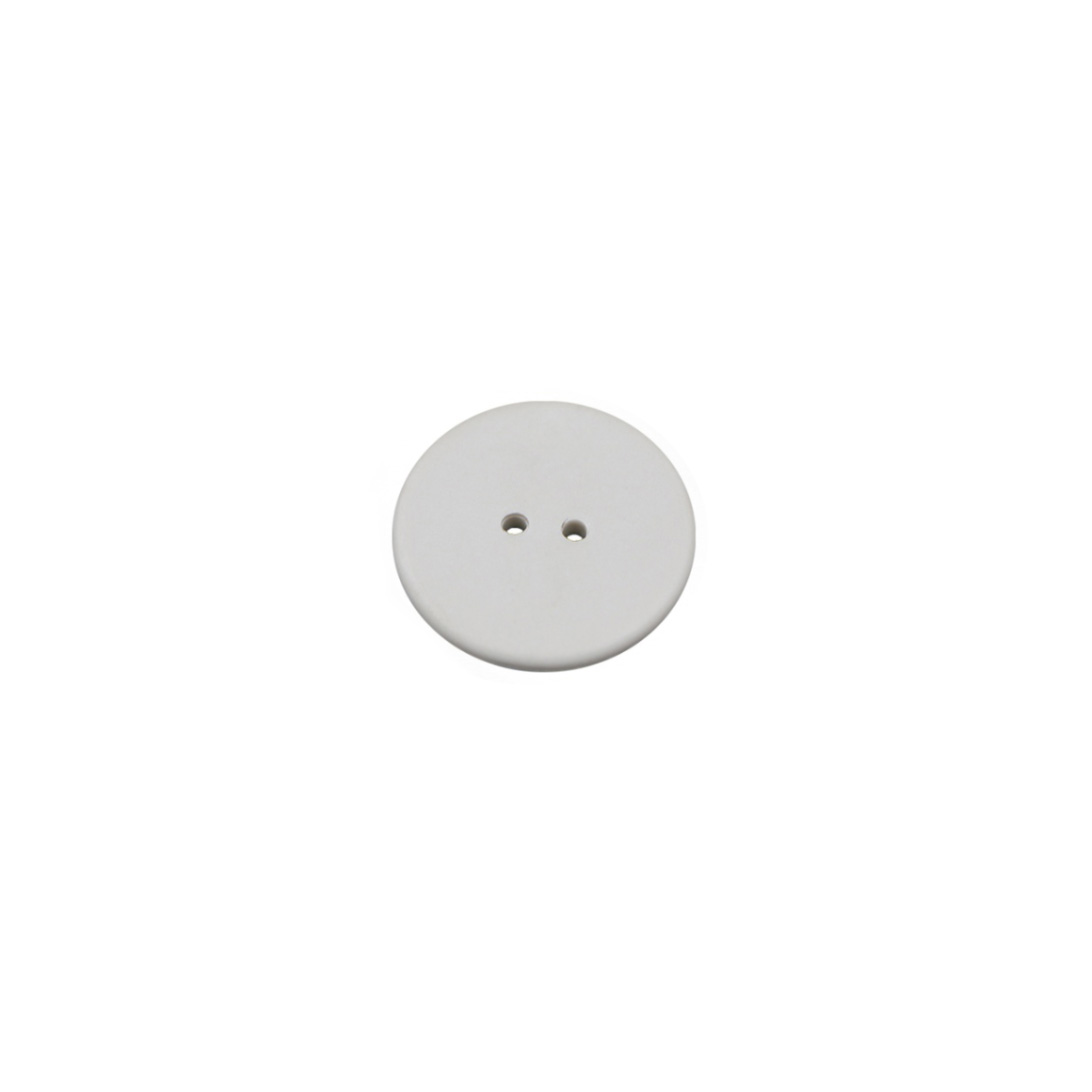
Long-range active tags are right for open-area, moving assets and when detection latency must be low. If you only need occasional reads at close distance, UHF passive tags or BLE beacons can be cheaper to deploy. Passive UHF is standard for pallet and case tracking where fixed readers and choke points exist. BLE suits device-level proximity and mobile app use. Compare total cost of ownership, not just unit price.
Conclusion: choose metrics, then the partner
Decide on the exact performance metrics you need—reliable detection probability at the required speed and range, a battery-life profile that matches maintenance cycles, and clear regulatory compliance. Use those metrics to filter manufacturers, then verify with controlled trials and interference tests. That process points you to suppliers who document methods, share raw results, and stand by warranty terms; working with a transparent integrator such as RSTC aligns supplier choice with measurable outcomes rather than marketing claims.