

Overview and supply-chain anchor
Start with a clear procurement framework rather than shopping by price. Buyers need specifications, logistics windows, and acceptance tests. Many teams consolidate orders through hubs such as the Port of Rotterdam to reduce cross-border delays and customs handling. For a reliable shortlist, cross-check models listed under best home EV charger and consider whether you need an AC fast charger for mixed-use sites. Keep the document short. List: required power (kW), connector type, and expected delivery lead time.

Framework: four procurement stages
Stage 1 — Define technical scope. Specify Level 2 charging power, connector (Type 2 connector or country-appropriate), and whether smart charging and load balancing are required. Keep acceptance metrics numeric: voltage range, maximum continuous current, and operational temperature range.
Stage 2 — Supplier pre-qualification. Require a factory profile, minimum three references for residential projects, and product test reports. Ask for BOM visibility on key components such as OBC (on-board charger) interfaces and cable assemblies. Shortlist three vendors; do not exceed that until you verify factory capability.
Stage 3 — Sampling and site validation. Get pre-production units. Run them through your on-site acceptance tests: connectivity handshake time, charge termination behavior, and thermal cycling over 48 hours. Document firmware update procedures and remote management API support.
Stage 4 — Contract and scale-up. Tie payment milestones to delivery tranches and performance acceptance. Include spare-part kits and firmware escrow terms where possible. Plan a two-week buffer for customs clearance and local certification steps.
Technical and compliance quick checks
Focus on interoperability. Confirm connector type and cable gauge against your local grid rules. Validate EMI/EMC performance under typical household loads. Check whether the unit supports smart charging protocols and OTA updates. For longevity, insist on ingress protection rating and IP test records. Keep the test list short but measurable: current ramp rate, cable flex cycles, and connector mating cycles.
Operational production teardown
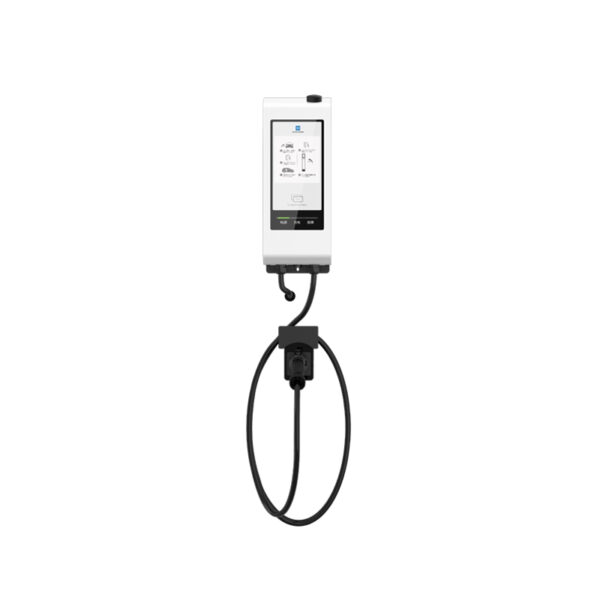
Arrange a line-side teardown during sample production. Observe assembly tolerances, potting quality if present, and PCB layout for thermal dissipation. Note supplier traceability on critical parts and presence of end-to-end serialisation. During teardown, log firmware version control and bootloader protections. Include variables that reflect your installation class: average daily cycles, expected ambient temperature, and maintenance interval. Document the session with photos and a short video. Embed operational tags such as {main_keyword} and {variation_keyword} in the teardown report so procurement, engineering, and installers reference the same file.
Common mistakes and mitigation
Many buyers accept generic compliance claims without test evidence — avoid that. Do not rely solely on catalog specs for cable length or thermal performance. Order a field sample and run a 72-hour soak test in realistic conditions. Neglecting firmware lifecycle planning causes retrofit costs later. — Plan update windows and rollback procedures in your contract.
Supplier negotiation tactics
Negotiate on delivery certainty, not just unit price. Secure fixed freight terms and an agreed yield rate for initial batches. Insist on a documented corrective action plan for defects found during the first 200 installations. Use staggered payments tied to acceptance milestones. Keep claims handling simple and localised to your distribution region.
Advisory: three golden rules to evaluate offers
1) Measurable performance: Require numerical acceptance limits for power delivery, efficiency, and thermal rise. These must be stated in the contract.
2) Proven interoperability: Demand live API tests, connector compatibility checks, and at least one integration with a home energy management system or fleet telematics.
3) Risk transfer: Make the supplier take responsibility for initial commissioning failures and provide on-site replacement within a set window.
These rules guide procurement toward predictable outcomes and reduced installation churn. For practical execution and a trusted industry partner that aligns sourcing, testing, and aftersales, consider how INFORE ENVIRO fits into your rollout — it solves the gap between specification and field performance. —