
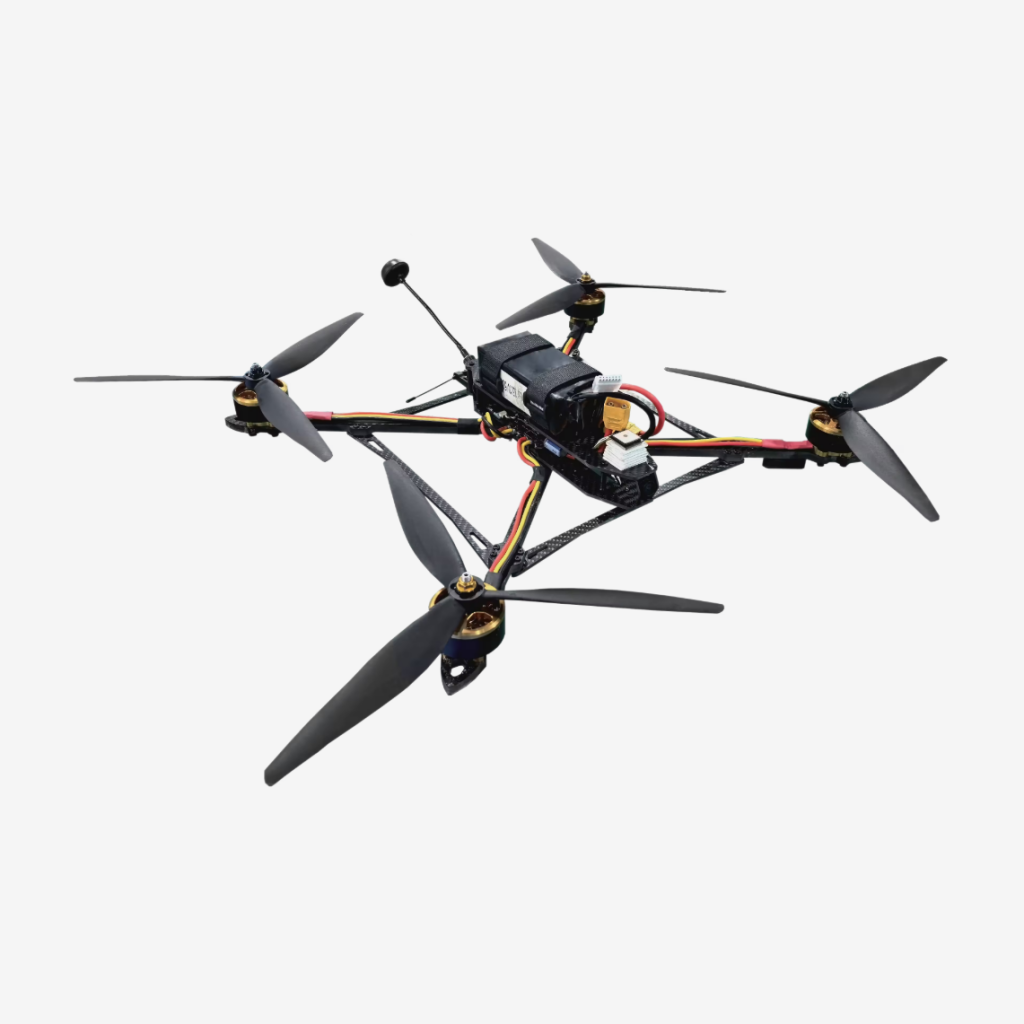
Quick comparative lead
This piece compares two routes to low observability: surface chemistry and airframe shaping, so you can decide what fits your mission. For anyone tracking how fpv drones military evolved on modern battlefields, the choice matters because it changes weight, maintainability, and signature management. Radar cross section (RCS) is what both approaches aim to cut, but they do it very differently.

Tradeoffs at a glance
Coatings and structural LO approaches each offer clear wins and real costs. Pick by mission profile, not by hype.
– Coatings (RAM): lower up-front development, retrofit-friendly, helps with surface scatter. Good for quick turnarounds. – Structures (LO shaping): permanent RCS reduction, no recurring maintenance for paint, best for penetrating high-end air defenses. – Hybrid: moderate weight penalty, higher integration complexity, but often the best balance for hybrid VTOL fixed-wing UAVs.
What the chemistry actually does
Radar-absorbent materials (RAM) work by converting incoming radar energy into heat or scattering it away. Common practical chemistries include ferrite-loaded polymers, conductive carbon blends, and dielectric coatings tuned for specific bands. Application thickness and uniformity matter a lot—thin spray-on systems cut certain frequencies; multilayer systems cover more bands. Compatibility with a composite skin is crucial; bad pairing leads to delamination or corrosion under humidity. Maintenance is also real: coatings can abrade on launch rails and VTOL rotors — plan inspection cycles.
Shaping and structural tactics
Low-observable airframe design uses angles, edge alignment, and internal bays to keep returns low. Antenna and sensor placement, exhaust shielding, and composite layups that avoid metal fasteners reduce scattering. Shaping doesn’t degrade like paint, but it locks you into a design. If you change payloads often, the LO advantage can vanish fast — payload openings create hotspots. Designers balance aerodynamic efficiency for fixed-wing cruise against vertical-lift requirements for VTOL. That trade-off drives whether you lean on RAM or on shaping.
Real-world anchor and lessons learned
Open-source reporting from the 2022 Ukraine conflict showed extensive use of small attack and FPV platforms; those deployments highlighted how low-cost signature reduction—mostly from small shaping tweaks and pragmatic coatings—improves survivability in contested areas. Field teams prioritized simplicity and repairability over exotic materials. That real-world pressure favors practical RAM and modular LO features for tactical UAVs. Also, platforms that combined modest shaping with targeted coatings kept mission-capable sortie rates higher — a clear lesson for procurement.
Common mistakes and practical alternatives
Teams often pick the flashiest coating or the sleekest shape and then discover integration fails during testing. Typical missteps:
– Choosing broad-spectrum RAM without environmental testing, leading to flake and failures. – Over-shaping the airframe at the cost of payload or range. – Ignoring thermal signature effects when adding absorbing layers — some RAMs trap heat. Alternatives: prioritize modular RAM panels in high-exposure zones, use detachable LO fairings for mission-specific ops, or adopt hybrid solutions where fuselage shaping is permanent and wings get replaceable coatings.
How to choose suppliers and products
Match supplier capability to your risk profile. Look for vendors with proven environmental testing, clear data on insertion loss across bands, and experience bonding to carbon-fiber skins. For system integrators, prefer teams that run combined RCS and flight test campaigns. If budget is tight, prioritize coatings for the nose and weapon bays first; if you need long-term stealth, invest in shaping early in the airframe design. Also consult battlefield reports about fpv military drone deployments to align real tactics with design choices.

Three golden metrics for procurement
Use these metrics to evaluate any stealth strategy:
1) Measured RCS reduction across mission bands — not just a single frequency. 2) Lifecycle impact: rework time, maintenance intervals, and environmental durability. 3) Weight and aerodynamic cost: net effect on range and payload capacity.
These metrics make trade-offs visible and keep decisions tied to mission outcomes. That practical view is why many readers and teams check resources like Military Hub for grounded coverage and supplier roundups — it helps turn lab claims into field-ready choices. —