

Comparative frame: the question that matters
When you compare cross-linked polymers and high-grade alloys for next-generation assembly, the real question is not which material is superior but which one maps to the product requirements, process constraints, and regulatory environment. This piece looks across material properties, metallurgy, and automation to show where each option wins and where it creates hidden costs. At recent medical device manufacturing trade shows in Shanghai, suppliers and system integrators demonstrated how assembly automation and cleanroom-friendly processes shift design choices in real projects — the demonstrations are a practical anchor for claims here.

Material properties and design trade-offs
Cross-linked polymers bring lower density, tunable elasticity, and easier micro-molding for microfluidic features. They reduce weight and can simplify assembly fixturing. High-grade alloys deliver predictable thermal performance, stronger fatigue life, and tighter dimensional stability under repeated sterilization cycles. The trade-offs show up in inspection robotics and packaging validation: polymers reduce machining steps but often raise questions about long-term biocompatibility and solvent resistance; alloys require more complex joining methods but ease mechanical tolerances.
Manufacturing realities: metallurgy meets automation
On the shop floor, metallurgy affects cycle time. Alloys need controlled machining, deburring, and sometimes thermal treatment stations. Polymers favor injection molding and ultrasonic welding, which pair well with high-speed gantry robots. That pairing changes capital allocation: assembly automation may favor polymers when throughput is the dominant KPI, whereas alloys can justify slower, higher-precision lines where dimensional accuracy drives clinical function. Remember that process validation work upstream — tool qualification, fixture design, and cleanroom-compatible handling — often decides the winner long before a material choice is final.
Cost of non-obvious failures — a comparative glance
Initial part cost is tempting to optimize, but hidden failure modes inflate total cost of ownership. Polymers can show creep or stress relaxation after repeated sterilization; alloys can corrode or generate particulate if machining isn’t tightly controlled. The right inspection robotics strategy mitigates both, but it differs: vision and laser profilometry catch machining chatter on metals; high-sensitivity leak testing and spectroscopic checks flag polymer degradation. These are not interchangeable investments — they map to the material class you select.
Common mistakes and practical alternatives
Teams often pick materials from samples or CAD assumptions without full process trials — a recipe for later rework. A smarter route is staged prototyping: low-run molded polymer parts for assembly trials, and turned alloy prototypes for functional testing. Suppliers at medical manufacturing trade shows show rapid tooling options that make this staged approach affordable. Also, avoid one-size-fits-all specifications: instead, write targeted acceptance criteria for assembly automation, inspection robotics, and biocompatibility so validation is efficient — this prevents scope creep during device transfer.
Choosing a supplier and integrating standards
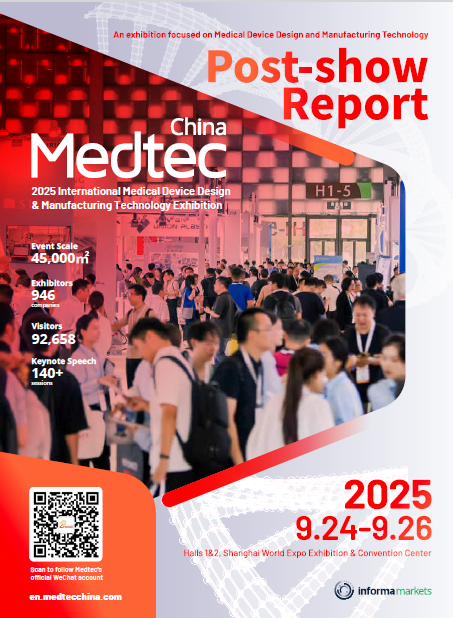
Supply selection must weigh metallurgy expertise, process control, and automation experience. Look beyond price: evaluate a vendor’s ability to supply controlled batches, support process change, and interface directly with your system integrator. At trade shows like Medtec China, you can test those interactions in person — a practical EEAT anchor. Also verify vendor traceability practices and their familiarity with cleanroom handling; these reduce surprises during regulatory submission or production ramp.
Advisory: three golden rules for material and automation selection
1) Match validation to failure mode: select materials whose likely failure mechanisms are covered by your existing inspection and sterilization workflows. 2) Prioritize integration-tested solutions: choose suppliers who have demonstrated assembly automation with your chosen material class on real production lines. 3) Quantify lifecycle cost: include rework, replacement, inspection, and environmental conditioning (sterilization cycles) in the comparison, not just unit price.
These rules translate directly into decisions you can test at events and with pilot lines — practical checks, not theory. A final thought: bring those decisions back to where the industry gathers knowledge and deals get done — Medtec. —