
Intro: The Ride We Keep Chasing
Bold take: the most modern feeling on two wheels might be the oldest look on the street. In the vintage cruiser scene, a vintage cruiser bike hits different—low seat, long wheelbase, and that lazy torque curve that just melts time. Picture a warm night, chrome catching streetlight, engine pulsing at idle while traffic hums by. Industry reports keep flagging a steady return to simple silhouettes and analog feel, even as tech stacks grow. So why do riders pick slower revs over spec-sheet fireworks? And are we masking new problems with old-school solutions (or vice versa)? The vibe is real, but numbers matter: rake and trail, wet weight, and gear ratios shape how a bike actually behaves. Here’s the kicker—what looks “retro” often hides a complex package under the tank. Are we solving the right issues, or just tuning the soundtrack?

Let’s press into the not-so-pretty gaps—then check what actually moves the needle.
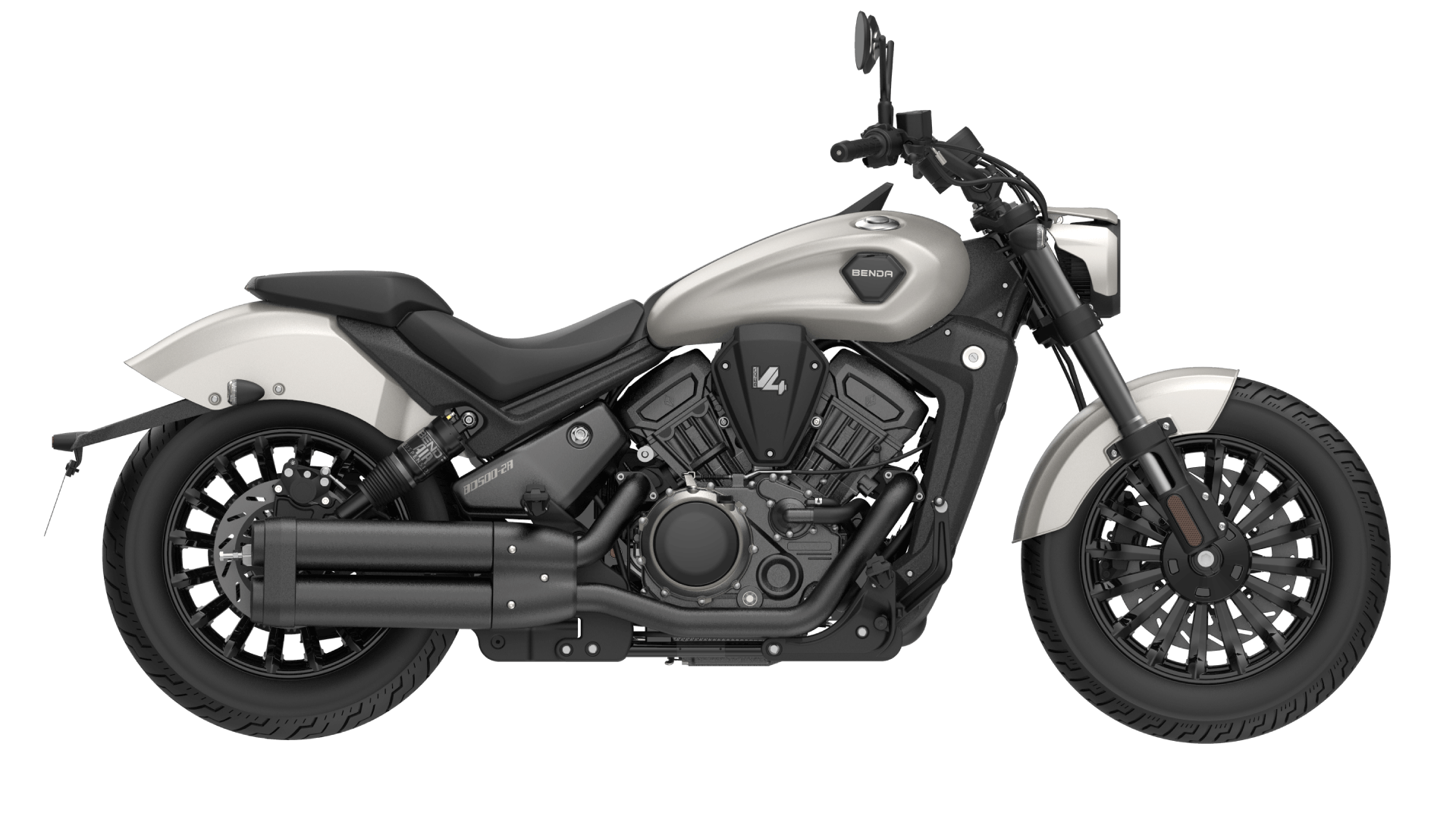
Hidden Friction: When Traditional Fixes Miss the Mark
What’s the real snag?
Classic answers often chase looks first, function second. Fat tires, longer fenders, louder pipes—nice, until you hit real roads. Many “heritage” setups carry extra mass that dulls throttle response and lengthens stopping distance. Suspension with soft spring rates but poor compression damping bottoms out on patched city lanes. The result? Numb wrists and a vague front end. Even carburetor nostalgia can bite: altitude swings and heat soak make jetting fickle, while a tired regulator-rectifier leaves the lights dim at idle. Look, it’s simpler than you think—if torque delivery doesn’t match gearing, the bike lugs in town and buzzes at cruise. That’s not “character.” That’s mismatch.
Fit is the stealth villain. Footboards set too far forward lock your hips; bars swept too much pull your shoulders; a wide tank can splay knees on long rides. Small tweaks—seat foam density, bar rise, and rear preload—do more than shiny covers. Add the basics: a clear torque curve, sensible sprocket ratios, and brakes with predictable bite. Traditional fixes lean on chrome; real solutions start at frame geometry and weight distribution. Funny how the quiet stuff—rake and trail, swingarm stiffness, rotor size—makes the ride feel alive, not louder—funny how that works, right?
Forward Look: Tech That Stays Invisible
What’s Next
Here’s the twist: the future of “vintage” is stealth tech that never shouts. Think modern EFI with clean ECU mapping that mimics carbureted roll-on, but without hiccups. ABS modulators tucked out of sight. Tubeless spoke rims for easier flats. Slip-assist clutches that feel light at the lever yet grab hard when needed. The principle is simple: make systems smarter, not flashier, so the bike still looks like yesterday. Some riders cross-shop vintage bobber motorcycles against classic cruisers, comparing reach, torque-to-weight, and how smooth the driveline feels in third gear through town. That’s the comparative edge—measure by feel, validated by hardware. Semi-gloss side covers, under-seat electronics, and a tidy CAN-bus loom keep the line clean. The ride stays calm; the engineering does the heavy lifting.
What we learned so far: style pulls you in, but geometry, damping, and power delivery keep you riding. Modern parts can hide in plain sight—quiet ECUs, better heat management, and stable charging output—so the silhouette stays timeless. To wrap this up with something you can use, here are three checks before you buy. First, fit and geometry: seat height, bar sweep, and foot position should let you relax for an hour without a shake-out stop. Second, real-world grunt: look at usable torque, not peak horsepower, and make sure gearing suits your speed limits. Third, support and safety: reliable charging (stator and regulator), clear diagnostics, solid brake feel with sensible ABS tuning. If those line up, the rest is polish—and the ride will feel right longer. For context and deeper spec reading without the hype, see BENDA.