
Introduction — A Little Question to Start
Have you ever watched a calm lake and wondered why some boats hum quietly while others roar? I want to tell you a small story: an electric motor can make a boat feel like a whisper or a trumpet. (Imagine a tiny hummingbee and a big truck—same road!) In a quick look, roughly 6 out of 10 small boat owners say noise and battery life are what bother them most. So I ask: how do we choose the motor that fixes those things for real?
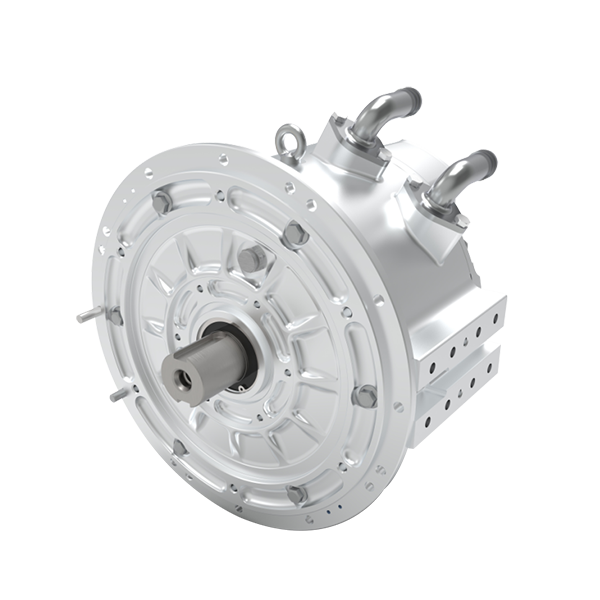
I like to keep things playful and clear, so I’ll walk you through what I’ve learned—simple, step by step—before we dive deeper into the real problems below.
Part 2 — Why Old Fixes for boat motors Still Let People Down
Why do classic designs miss the mark?
When I look at older approaches, I see big blind spots. Many fixes treat the motor like a single part: add a bigger battery, tweak the prop, or slap on a higher-rated controller. But the truth is the system needs balance. Torque spikes, poor commutation, and crude thermal management cause early wear. I’ve worked on boats where the inverter was fine but the cooling was not—so the motor throttled, batteries drained faster, and the whole trip felt shaky. Look, it’s simpler than you think: tightening one part while ignoring others just passes the problem along.
Another common issue is user pain that hides under the surface. Owners complain about “short runs” or “rough starts,” yet the real pain is hard-to-diagnose: mismatched prop load, inefficient power converters, or bad software tuning in the motor controller. I get frustrated when a great electric motor package is paired with sloppy installation; you lose range, you lose torque consistency, and you lose trust. From my hands-on work, I can say these are not tiny flaws—they change how fun the boat is to use.
Part 3 — Looking Forward: New Principles for Better Electric Boat Power
What’s Next — Principles That Actually Help
I’m excited by new design ideas that fix those old blind spots without adding fuss. Modern thinking pairs efficient inverter design with smarter thermal management and matched propeller tuning. When we talk about electric boat motors, the trick is system thinking: optimize the controller, the motor winding, and the power converters together, not one-by-one. This approach improves range, reduces noise, and gives predictable torque curves. — funny how that works, right?
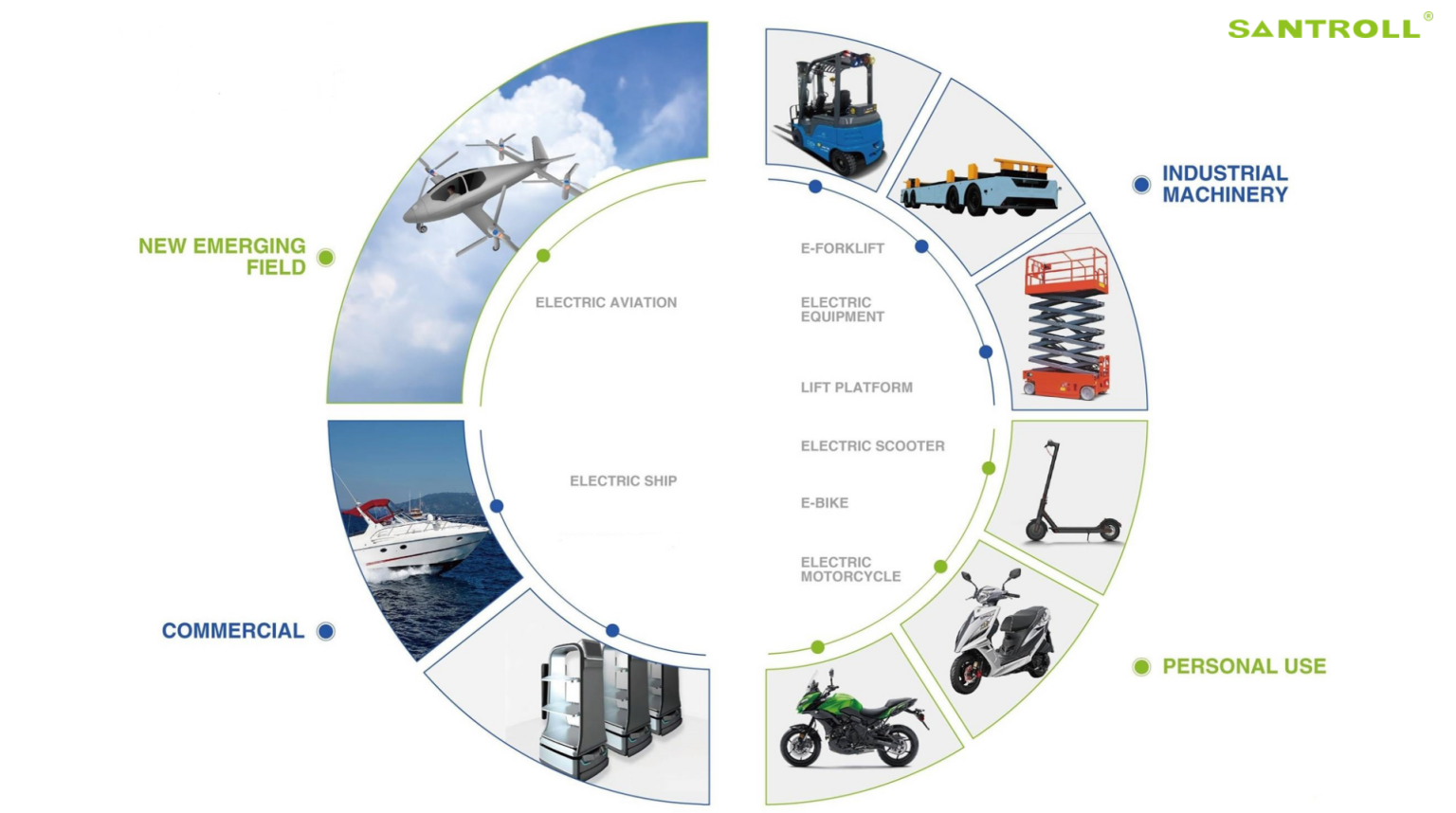
Let me be concrete: choose a motor that supports real-time torque control and has a controller that adapts to load. Also, check power density and cooling paths—those two things often decide if you’ll have a calm afternoon on the water or a stressful tow home. I’ve tested setups where switching to a matched controller and a slightly different prop increased usable range by measurable amounts. The numbers matter: better efficiency can mean 15–30% more time on the water, depending on setup.
In short, the lesson I take away is this: measure, match, and manage. Evaluate motors by torque consistency, thermal performance, and end-to-end system efficiency. If you do that, you get a quieter, longer, more reliable ride—and that’s worth a lot. For practical choices and real products, I often look to trusted makers like Santroll when I need parts that actually work together.