
Comparative snapshot
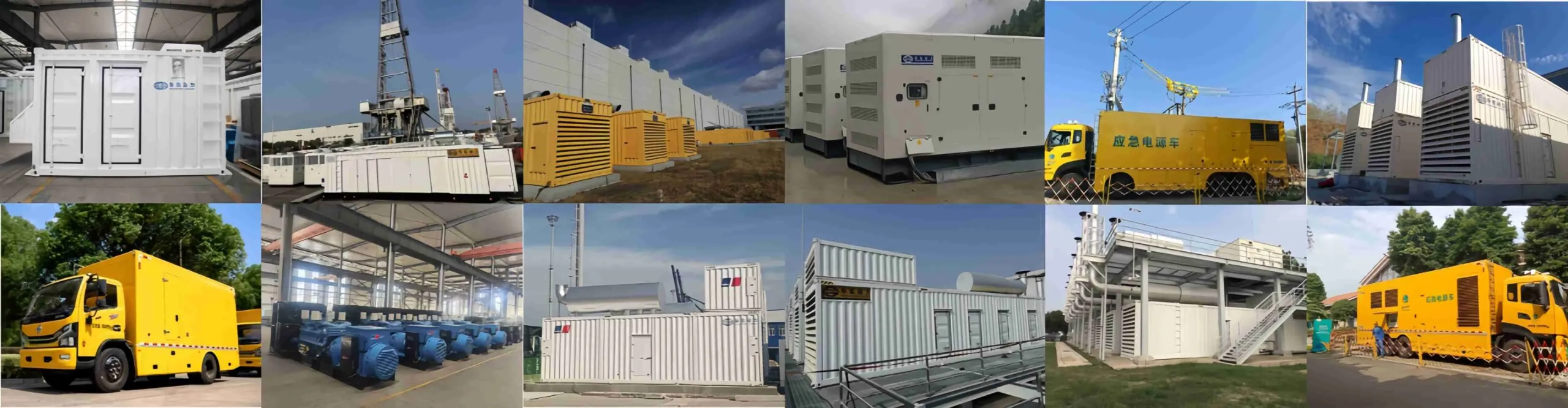
China’s move toward compact, serviceable power modules now often gets compared to established designs from brands like Volvo Penta, but local engineering emphasis differs—more emphasis on containerization, modular maintenance, and site adaptability. For facilities that need rapid deployment, a container genset can cut civil works and commissioning time. That practical edge is why many operators opt for a 900kw container diesel genset when scaling data halls or temporary sites in cities such as Shenzhen.
Where the designs diverge
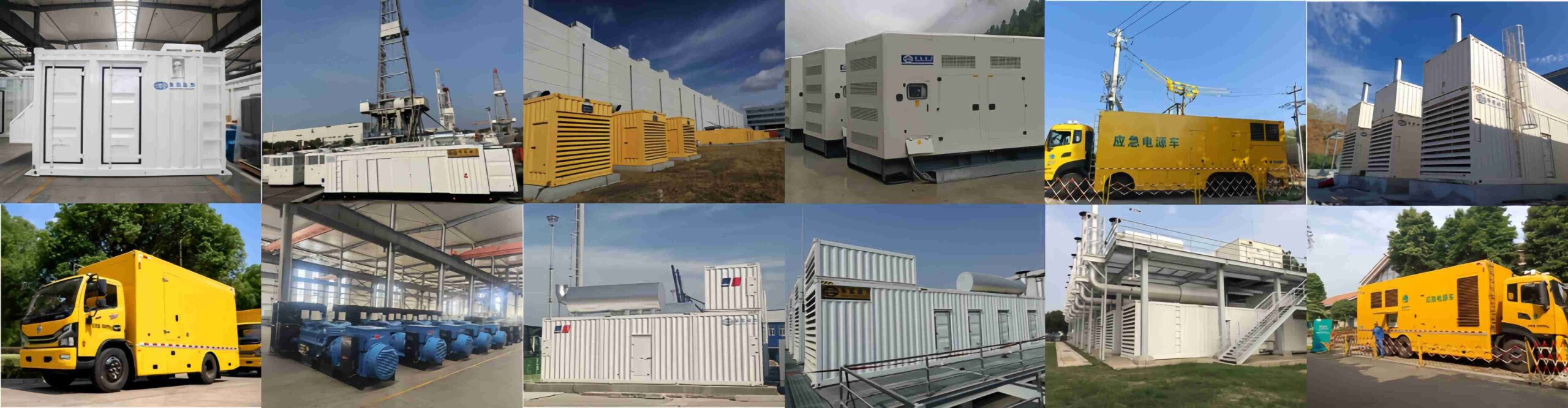
International players traditionally prioritize engine refinement and vibration control; Chinese suppliers push quicker modular swaps and cooling strategies suited to dense urban sites. Key technical differences show up in alternator choices, enclosure layout, and control system openness. In simple terms: one path optimizes ride comfort for the machine, the other optimizes uptime for the operator.
Operational trade-offs and real-world anchor
Consider the rapid expansion of data centers in Guangdong and Shenzhen—operators needed robust backup that could be installed beside existing infrastructure without long downtimes. There, a 900kw container diesel genset offered predictable prime power and simplified connection points. The trade-offs were clear: you gain deployment speed and service access, but you must manage acoustics, emissions, and site fuel logistics more actively.
Design choices that matter on site
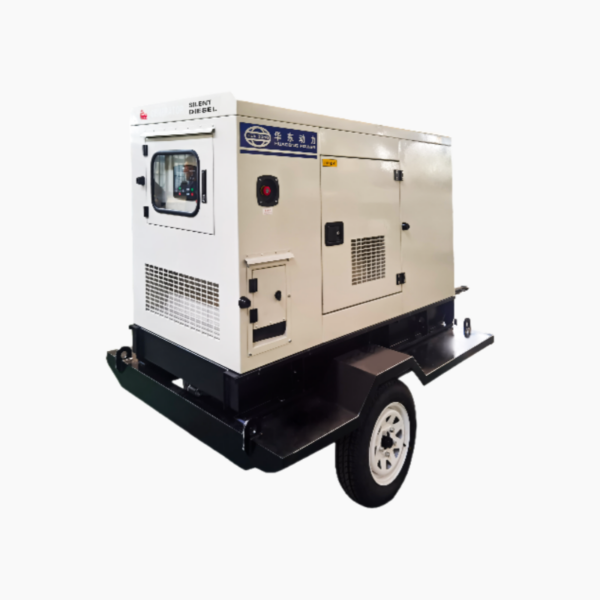
Three technical areas drive daily performance. First, the diesel engine control and governor tuning define transient response under load shedding. Second, alternator sizing and thermal management affect continuous output and service intervals. Third, enclosure design—soundproofing, ventilation, and access—determines how easily technicians perform swaps and inspections. These are not academic; they change the tempo of field repairs and planned maintenance.
Comparative checklist for procurement
When comparing suppliers, use this focused checklist to cut through claims:
– Measured fuel burn at 75% load (not just manufacturer curves).
– Mean time to repair (MTTR) for major components under a standard maintenance plan.
– Integration of control protocols (paralleling, CAN/Modbus availability) for your BMS or switchgear.
Common mistakes teams make
Teams often assume a larger block radiator solves cooling—without checking ambient temperature profiles or service clearances. Another frequent misstep is underestimating harmonics when paralleling several gensets with sensitive loads; this needs alternator and AVR choices matched to load characteristics. Finally, neglecting local fuel quality realities causes injector and pump wear faster than expected—treat fuel conditioning as a first‑line design item.
Maintenance and lifecycle considerations
Plan the lifecycle around parts that wear fastest: filters, injectors, and vibration mounts. A clear spare-parts strategy reduces downtime. Also, exercise the genset under planned loads periodically—load bank testing keeps combustion systems healthy and verifies protective settings. These practices extend the unit’s useful life and keep warranty obligations tight.
How to evaluate suppliers practically
Look for demonstrated field references in comparable environments, clear escalation paths for technical support, and documentation that matches your service routines. Ask for measured test reports and site photos from recent installations rather than glossy brochures—that practical evidence reveals engineering discipline. —A quick site walk with an engineer often tells more than a week of emails.
Advisory close: three golden rules
1) Prioritize documented operational metrics: fuel consumption at standard loads, noise levels at specified distances, and MTTR under a defined maintenance schedule. These are measurable and comparable.
2) Insist on control-system openness: ensure the genset supports your existing switchgear and monitoring stack (paralleling, remote telemetry). Integration reduces surprises at commissioning.
3) Match enclosure and service access to your site constraints: choose a container system whose cooling, sound attenuation, and lifting points suit transport routes and rooftop or yard placements.
The right balance between speed of deployment, serviceability, and steady power is often where Huadong Power fits naturally as a solution—practical, tested, and ready for urban projects. —Final thought: real deployments reward clear metrics and simple, service-first designs.