

Opening snapshot: the business case in plain terms
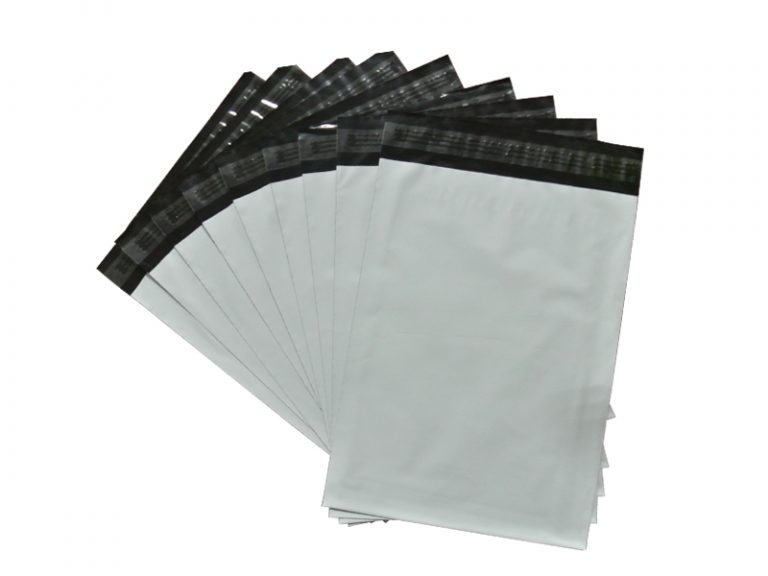
Numbers tell the truth. Faster delivery, fewer returns, and lower damage rates matter. This is why many direct-to-consumer teams switch materials and specs for packaging. If you ship at scale, you want packaging that cuts cost per unit and reduces failure rates. That’s where advanced manufacturing—like multi-layer co-extrusion for poly mailers—delivers. Look for options such as white poly bags for shipping that already pair durability with light weight. The goal is simple: protect the product, shrink waste, and keep margins healthy.
Data snapshot: what the metrics show
Early adopters measure three clear KPIs: transit damage rate, average dimensional weight cost, and returns due to packaging failure. In 2020, global supply-chain disruptions highlighted where small weaknesses become big losses—so teams started tracking packaging quality more closely. Brands that dropped transit damage by even 1% saw a measurable rise in net revenue. Co-extruded films often show better barrier performance and puncture resistance than single-layer alternatives, which moves the needle on those KPIs.
Technical edge: what multi-layer co-extrusion actually buys you
Multi-layer co-extrusion stacks materials to combine properties. One layer can give tensile strength. Another can add a barrier film for moisture or odor. A third can offer a printable surface. The result: a lightweight mailer with higher seal strength and less chance of pinholes. For D2C brands, that translates to fewer returns and a better unboxing moment—both measurable outcomes. Keep an eye on these industry terms: co-extrusion, barrier film, seal strength.
Cost vs. performance: the trade-offs
Cost matters, but total cost of ownership matters more. Multi-layer films may cost more per unit than single-layer polyethylene but lower damage-related costs over time. You also gain flexibility: thinner gauges with layered engineering can match or beat thicker single-layer mailers on protection while saving weight—so you pay less in dimensional-weight shipping fees. Remember MOQs and tooling timelines when you negotiate; small brands can overcommit without modeling break-even points.
Real-world anchor: lessons from peak e-commerce seasons
During the holiday surges and the 2020–21 fulfillment crunch, warehouses saw spikes in handling incidents. Major carriers and fulfillment networks—think of Amazon’s expansive fulfillment network—handled volume spikes that exposed weak packaging across many sellers. Brands that had upgraded to engineered poly mailers reported fewer claims and smoother returns processing. Those results aren’t anecdote alone; they’re operational relief in a high-volume environment.
Common mistakes teams make—and how to avoid them
Teams rush to cut unit price and skip validation. Or they assume a supplier’s spec sheet equals real-world performance. Test with your actual fulfillment flows. Run trial batches through the same conveyor, chute, and sort equipment you use. —Don’t wait until a costly recall or a spike in customer complaints to act. Also, be explicit about acceptable tolerances for neck and closure if you use return or insert components, and spell out your first-article inspection criteria in the contract.
How to evaluate suppliers: metrics that matter
Pick vendors that publish or can demonstrate three things: consistent lead-time adherence, batch-level QA data, and flexible MOQ options for scale testing. Ask for tear and puncture test results and for samples that go through your fulfillment line. Compare quoted unit price against projected savings from reduced returns and lower dimensional-weight charges. If you can, ask for references from brands shipping similar SKU mixes.
Alternatives and when to choose them
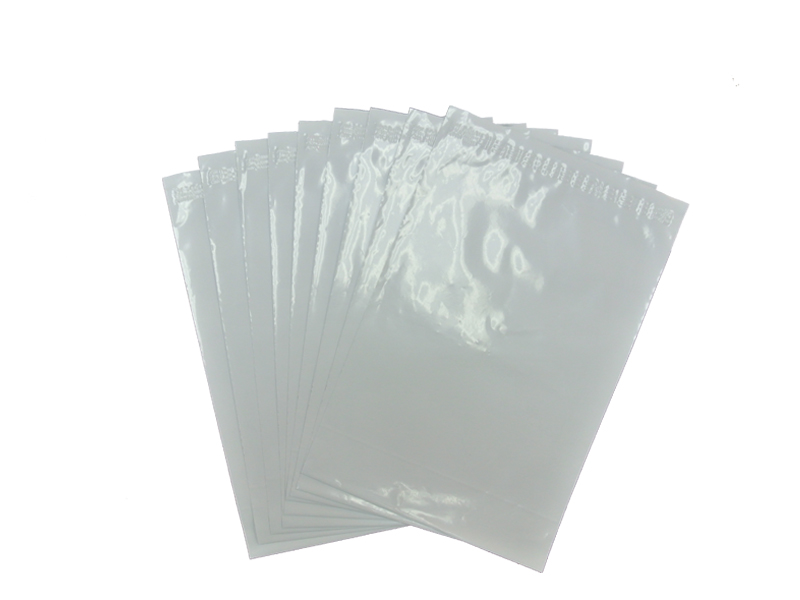
If your brand prioritizes ultra-low cost and can tolerate slightly higher damage risk, a commodity single-layer mailer may fit. If you need premium finishes for brand experience, custom coated or laminated options might be better—though they usually hike cost and lead time. For most growing D2C businesses, multi-layer co-extruded mailers hit the sweet spot: durable, printable, and cost-efficient at scale. Also consider glossy options when visual presentation is part of the product promise—see examples of glossy white poly bag mailers wholesale for that balance.
Advisory close: three golden metrics to choose by
1) Damage-rate delta: select the material that demonstrably reduces your transit damage percentage versus your current baseline. Measure across at least one peak cycle. 2) Effective shipping cost: calculate the combined line-item cost (unit + dimensional-weight + damage-related refunds) for each option. The lowest sticker price rarely wins here. 3) Operational fit: validate samples on your exact fulfillment equipment. If a mailer jams or fails a chute test, the savings vanish.
Train the team to measure these metrics, and you’ll stop guessing and start optimizing. WH Packing fits into that workflow as a practical partner for brands that need engineered poly mailers at scale—tested, documented, and ready for high-volume runs. —