
A Clear Choice: Why the Right Tube Maker Matters Now
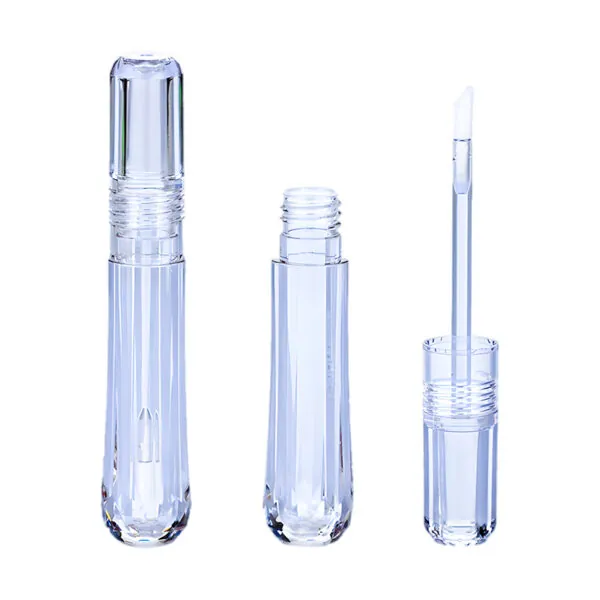
Product launches win or lose on the package. Choosing a lip gloss tube manufacturer looks simple until the math kicks in. Teams rush to scale a holiday run while ads go live and warehouses sit on standby; buyers skim lists of china clear lip gloss tube manufacturers and hope a sample tells the full story. Yet data says otherwise: 18% of beauty launches report at least one packaging delay, 2.3% cite leak failures, and small cap-thread errors push return rates above 5% (a costly surprise). Why? Because injection molding, tolerance stack-ups, and wiper-fit geometry do not show up in glossy photos. Even with GMP flowcharts and ISO 22716 checks on paper, one missed resin spec or a sloppy torque window can stall a fill line. The scenario is familiar, the stakes are real, and the fix calls for clearer comparisons—done early and done with proof. Let’s step into the details next.
The Hidden Gaps in the Old Sourcing Playbook
Where do small errors start?
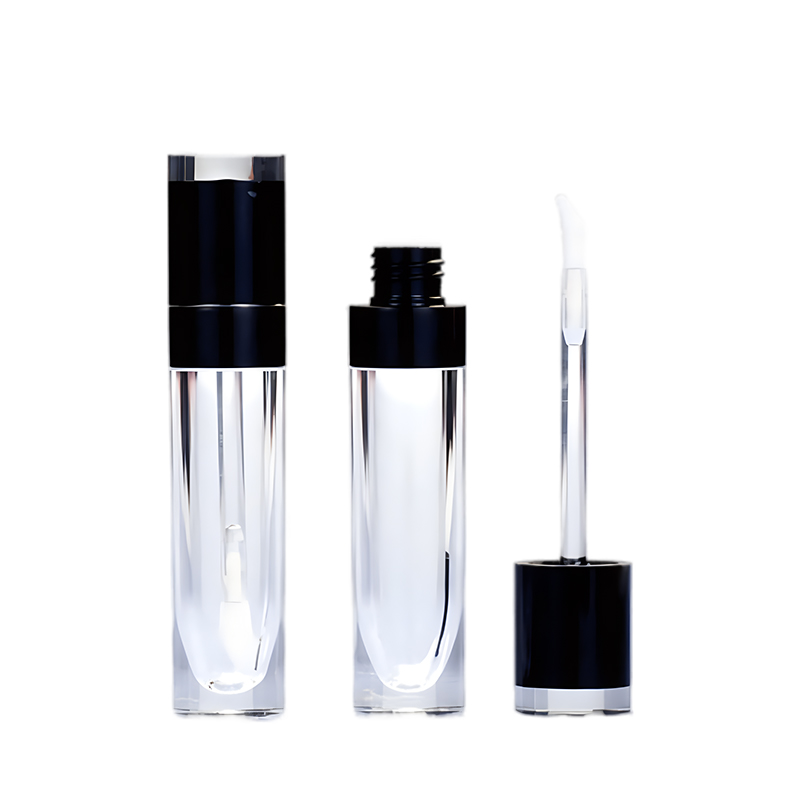
When teams compare china clear lip gloss tube manufacturers by RFQ, unit price, and a handful of samples, they miss the process signals. A tube can look perfect and still fail on the line. Dimensional tolerances around the neck finish drift across cavities; Cpk drops when the hot runner cools unevenly—funny how that works, right? Wiper Shore hardness varies, so applicators scrape too much or too little. Resin melt flow index shifts between lots and changes wall clarity. None of that is obvious in a single sample pack. Look, it’s simpler than you think: what you need is repeatable data, not just a pretty prototype. Ask for cavity-level metrology, cap-to-body torque curves, and leak-rate plots under 40°C/75% RH. That is the real picture.
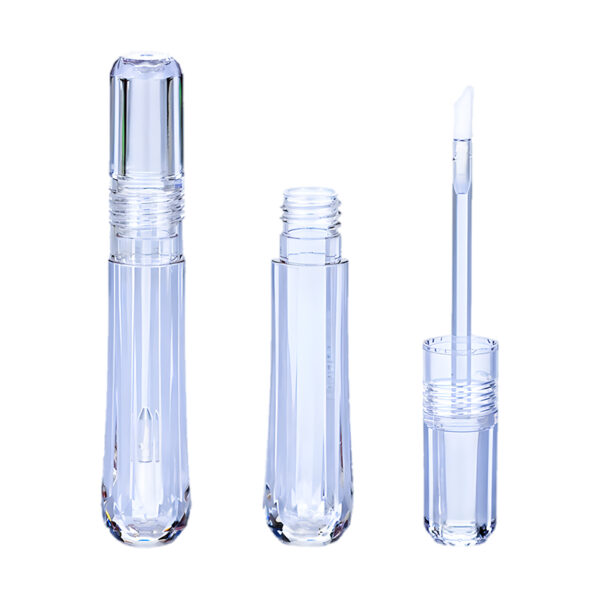
Hidden pain points show up late. An extra 0.2 mm on the neck OD causes cap mis-threading and micro-leaks during vibration in transit. A low-torque cap slips under thermal expansion. The flocked applicator wicks volatile oils and discolors after UV exposure. Colorant dispersion in the polymer leaves haze bands that the camera misses but the shopper sees. And when line speed climbs, the fill nozzle chips the orifice ridge because the polymer blend is too brittle at room temp. These are not dramatic failures; they are quiet drags on margin. The fix is to map process capability to your realities: fill speed, storage heat, drop test, and compatibility with your base oils. Without that map, even a “great” sample becomes a slow problem.
New-Tech Pipelines vs. Old Lines: What Actually Improves Outcomes
What’s Next
The next step is not more samples. It is better signals. Leading shops pair cavity-pressure sensors with SPC dashboards, so they know when a mold warms past the sweet spot. Inline vision checks orifice roundness, and servo-trim cuts hold edge quality on thin PETG. A digital traveler follows each lot, linking resin batch, hot-runner settings, and cap torque results—so failures are traceable. That changes sourcing from guesswork to evidence. If you are comparing options for wholesale plastic lip gloss tubes, look for quick-change molds validated by short DOE runs, plus accelerated aging that forecasts clarity drift. Add small, real tests: 24-hour leak at 40°C, five drop cycles at 1 m, and torque cycling after thermal shock. Not flashy. Just solid engineering—and fast feedback loops.
Pulling this together, treat selection as a measurable compare, not a brand pitch. Three practical metrics help. First, capability: a neck-finish OD Cpk of 1.33 or higher across all cavities, verified over three shifts. Second, performance: a cap-to-body torque window that holds 0.18–0.22 N·m on 95% of samples after heat soak. Third, stability: a leak rate under 0.2 mL/24 h at 40°C/75% RH, with yellowing delta E below 1.0 after UV exposure. Meet those and launches run cleaner—and fees drop. Miss them and the field returns rise. In the end, the best choice is the one you can defend with data, timing, and fit to your line, not just sheen. For a grounded starting point and more technical criteria, see NAVI Packaging.