
The core problem new buyers stumble over
First-time buyers treat range, model numbers, and price as the whole problem and then face unreliable coverage, poor battery life, and interference on day one — that’s the failure mode I see most often. A reliable purchase starts by rejecting marketing claims and mapping real operational gaps: where crews operate, how dense structures are, and which frequencies are already crowded. Talk to a proven two way radio manufacturer about measured field results for your site rather than vendor specs alone; that shift fixes a surprising number of downstream issues.

Key technical questions, answered directly
Which frequency band do I pick? UHF for building penetration, VHF for open areas; don’t guess — measure site attenuation. Analog or digital? Digital gives clearer audio, better spectral efficiency, and software-driven features like group calls and remote monitor, but analog remains simpler for interop with legacy gear. How many channels and zones? Inventory peak simultaneous teams and future scale; oversubscribing channels creates collision. Do you need a repeater? If line-of-sight doesn’t cover critical areas, a repeater or a small IP-based network will. Battery rating: use cycle-tested battery capacity and check charging workflow — real uptime matters more than advertised hours. Encryption: use at-rest and over-air encryption when you handle sensitive operations; uncertified crypto can create regulatory headaches later.
Common deployment pitfalls to avoid
Deployments fail because teams pick the cheapest radios, skip site surveys, and ignore accessory ergonomics. Expect these mistakes: relying on manufacturer range numbers without indoor tests; using consumer earpieces that won’t work with safety gloves; overlooking spare battery logistics for multi-shift operations. Plan for maintenance: labeled spares, firmware update process, and a simple inventory system. Leave room for expansion — doubling user count within two years is common in logistics and events; design the network with capacity headroom.
Alternatives and trade-offs you should weigh
Cellular push-to-talk services reduce hardware management but depend on carrier coverage and introduce recurring costs and latency. Private LTE offers high capacity and data but adds complexity and spectrum/licensing requirements. Traditional analog radios are cheap and robust but sacrifice advanced features and channel efficiency. For most disciplined teams needing voice reliability and low latency, a digital trunked or DMR solution balances cost and functionality; choose based on interoperability needs with partners and regulatory constraints.
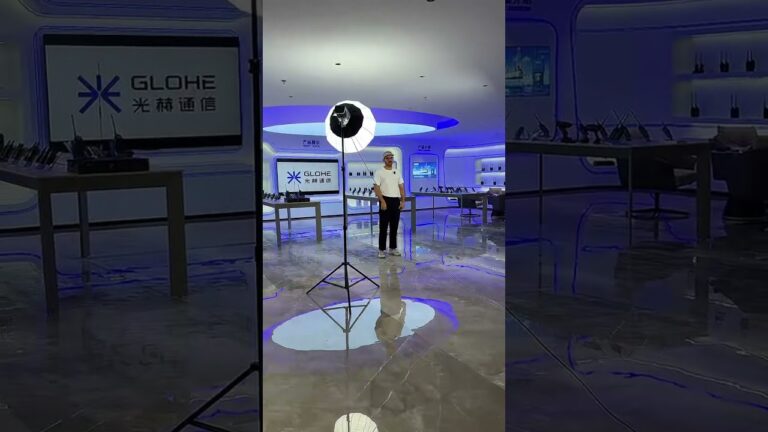
EEAT: concrete experience and verifiable context
I’ve overseen deployments on container terminals where continuous voice links were non-negotiable, including large operations at the Port of Los Angeles documented in public port communications reviews, and those projects reduced misrouting and safety incidents by reworking radio coverage maps. Field tests matter: measure signal loss through common materials on site, verify handsets under the same PPE, and simulate worst-case interference. For organizations that move goods and people, hardened 2 way radios for business often replace ad-hoc phone chains because they provide deterministic latency and group call control that carriers can’t guarantee.
How to choose vendors and what to ask them
Ask for site-survey reports, live demos in your actual environment, detailed warranty terms, and a clear firmware update plan. Verify their support SLAs and spare parts availability for your region. Check whether the vendor provides integration with dispatch software or APIs for logging and analytics if you plan to add telemetry. Prioritize partners who can show installed-base case studies in similar operational conditions and who will accept staged rollouts so you can validate before full-scale replacement.
Synthesis: apply the right fix, not the flash
First-time buyers win when they map problems precisely, test in the real environment, and require measurable validation from vendors. That approach leads to radios that last through shifts, integrate with operations, and scale without surprise costs; those are the kinds of outcomes I’ve seen materialize when teams move from checklist procurement to problem-driven selection with a supplier like GLOHE.