
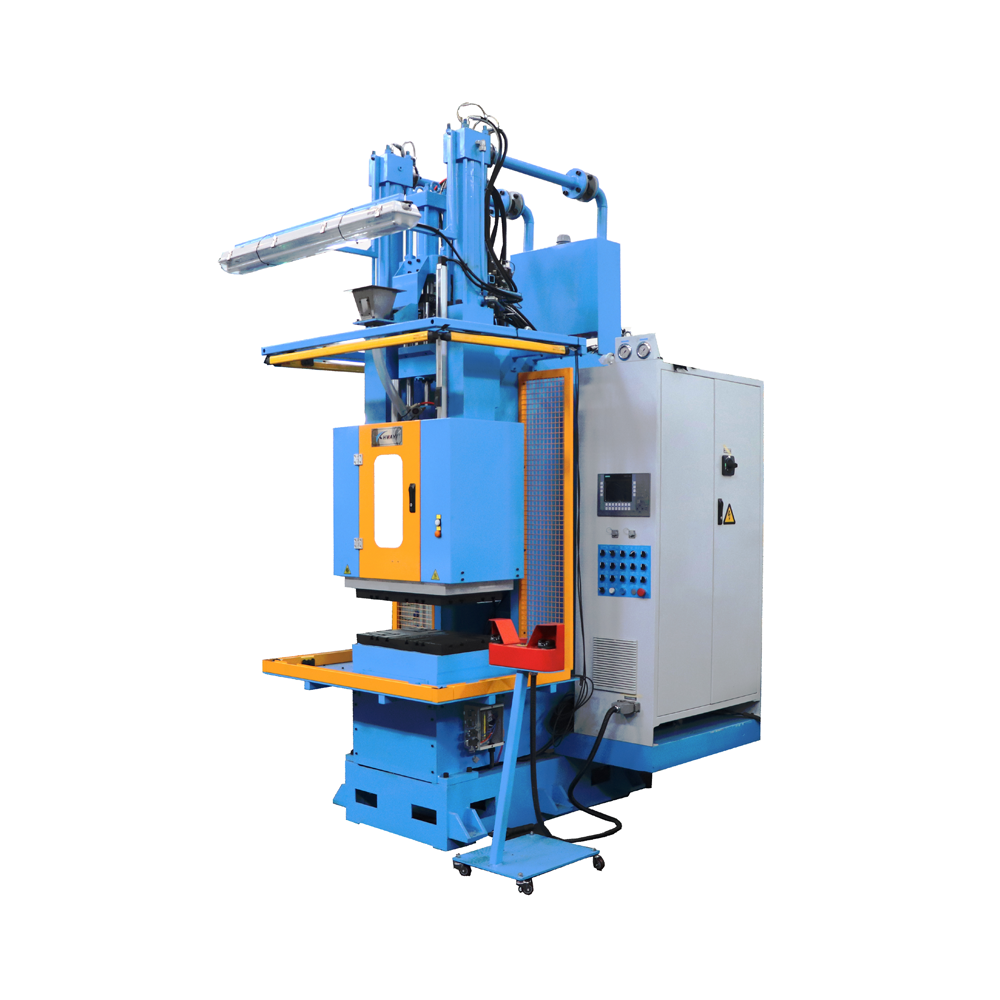
Data-focused introduction and scope
I examine HWAYI’s heating platen layouts through measurable criteria: temperature variance, zone count, and response time, applied to a typical rubber injection molding machine setup. My goal is to translate engineering detail into operational impact—cycle stability, scrap rate, and energy per cycle—using an analytical lens. The analysis references factory-level expectations and benchmarking approaches commonly used by tier-one automotive suppliers in Detroit after the 2020 production reset.
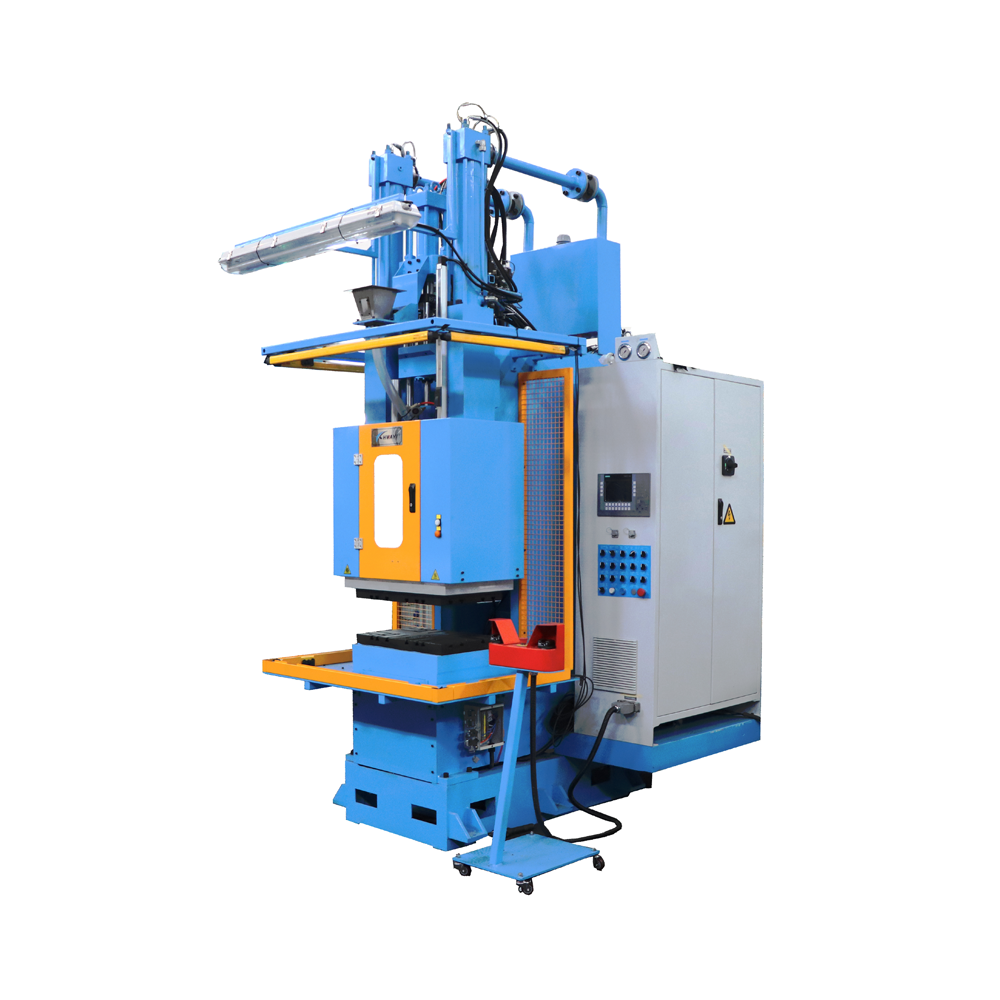
How HWAYI’s platen geometry addresses thermal uniformity
HWAYI’s layouts prioritize distributed heating zones and optimized thermocouple placement to limit hot/cold spots across the mould cavity. Measured design choices that matter: number of zones per platen, radial vs. grid heater routing, and proximity of heaters to the mould face. These choices map directly to thermal profile metrics: median temperature, standard deviation, and time-to-stable-state. The practical outcome is reduced part variability and fewer rejects when clamping force and injection unit settings are held constant—two interacting variables in injection molding control.
Quantitative trade-offs and performance indicators
Key metrics to watch when comparing platen layouts are: 1) temperature uniformity (°C std. dev.), 2) stabilization time (seconds), and 3) energy draw (kWh per cycle). HWAYI’s designs favor additional, smaller zones to lower the std. dev. across the mould face. That reduces cycle-to-cycle drift but raises wiring complexity and initial cost. The trade-off is measurable: better thermal uniformity tends to shorten overall process capability index (Cp/Cpk) improvement time and lower scrap—if control systems are configured correctly.
Comparative insight: alternatives and when they win
Against traditional single-zone platens or coarse zoning, HWAYI’s approach delivers tighter control for complex geometries and thin-wall parts. Alternatives—such as thicker platen masses for thermal inertia or higher-power single-zone heaters—can still be preferable where setup simplicity or lower upfront cost is the priority. For high-volume, precision rubber parts used in automotive seals or vibration mounts, the incremental reduction in dimensional variance often justifies the finer zoning and additional thermocouples. —A small note: installer calibration time rises with zone count, so plan commissioning accordingly.
Practical implementation and common mistakes
Successful application requires three operational practices: correct thermocouple mapping to the control loop, routine verification of zone controllers, and periodic thermal imaging audits. Common mistakes include under-sizing heater traces, neglecting insulation around the platen perimeter, and assuming PID defaults will suit every mould cavity. These errors erode the gains from an advanced platen layout and mask the value of temperature uniformity in real throughput metrics.
Field anchor and real-world context
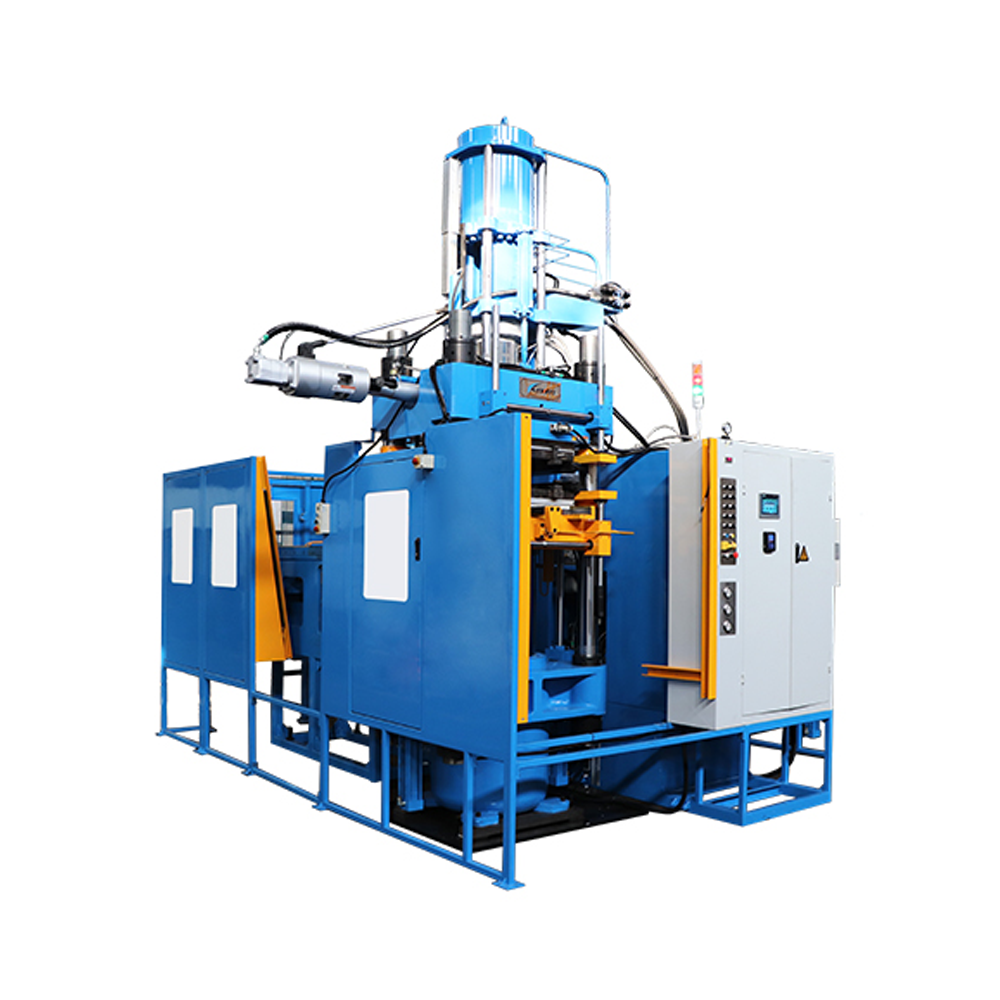
Post-2020 shifts in supplier lines—observed across automotive hubs such as Detroit and major Asian plants—highlighted the link between thermal consistency and just-in-time delivery metrics. Facilities that reduced cycle variance by tightening thermal control saw measurable improvements in on-time fitment and less rework at assembly, illustrating that platen layout choices translate into supply-chain reliability, not just lab figures. For many shops moving toward semi-automated lines, pairing a calibrated platen layout with an automatic rubber moulding machine control package is a sensible path.
Advisory: three evaluation metrics to apply
When assessing HWAYI or any platen layout, use these three metrics as go/no-go criteria:
– Temperature uniformity: target a standard deviation that keeps critical dimensions within tolerance across the part footprint.
– Stabilization time: measure from power-on to process-ready; shorter times reduce idle energy and speed changeovers.
– Control granularity vs. complexity ratio: quantify the incremental quality gain per added zone against commissioning and maintenance cost.
Good engineering converts thermal control into predictable output. The payoff is less scrap, faster qualification, and steadier production—features that align directly with HWAYI’s platen strategy. HWAYI — measured, specific, and built to fit industry-grade expectations.