
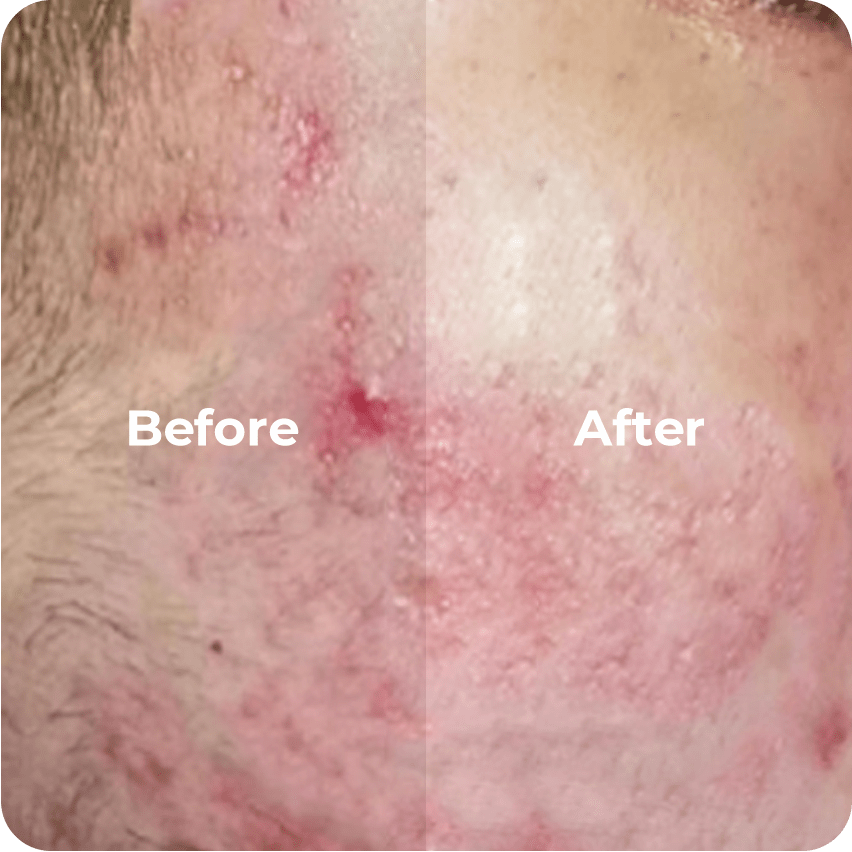
Why a framework matters in an age of proliferating devices
The market is thick with promises — devices that glitter with spec sheets but collapse under real‑world load. For clinicians and clinic owners who must choose a dependable tool rather than a marketing story, a disciplined evaluation framework cuts through the noise. Begin with a hands‑on appraisal of an ipl skin rejuvenation machine, not just brochures: inspect handpieces, run test pulses, and review service records. Many purchasers forget that a device is a system — optics, cooling, software, and consumables all interact to produce outcomes or complications.
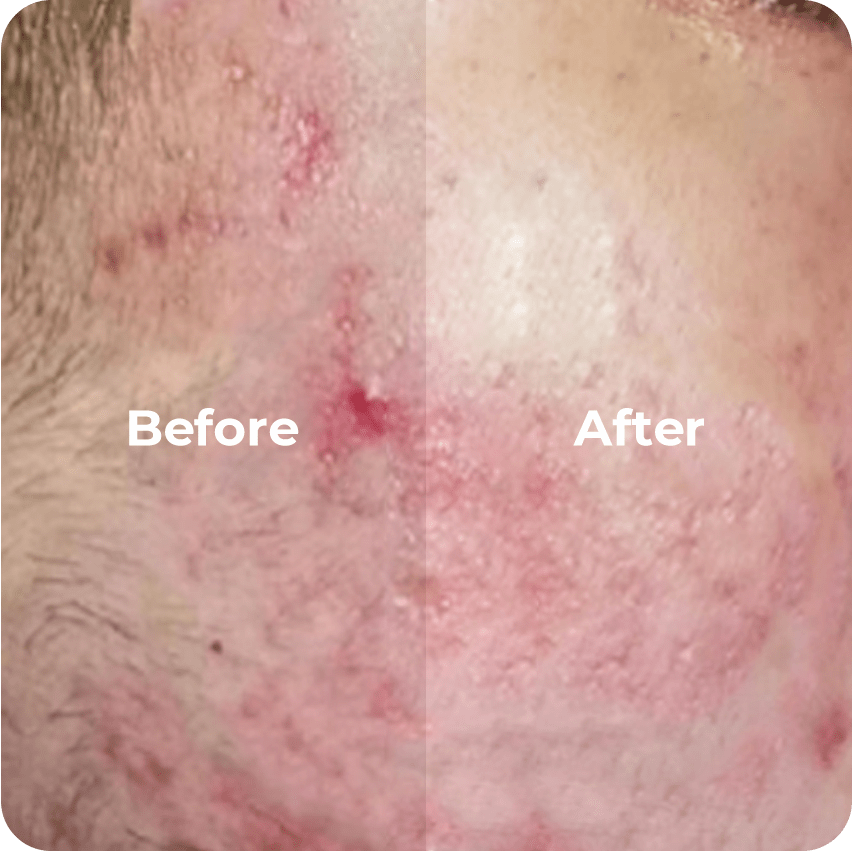
Core domains in the evaluation framework
Break the assessment into technical domains. Each domain maps to a clinical endpoint: safety, efficacy, throughput, and economics.
– Output energy and fluence: Confirm delivered fluence (J/cm²) across the handpiece faceplate and at different pulse widths. Nominal fluence on a spec sheet is meaningless if device calibration drifts.
– Wavelengths and filtration: Ensure the system uses the appropriate spectral bands for pigment versus vascular targets. Filters and bandpass control matter for selective photothermolysis and melanin sparing.
– Pulse control: Examine pulse duration, pulse trains, and repetition rate. Pulse shaping affects heat diffusion in epidermis and dermis — a mismatch raises complication risk.
– Handpiece ergonomics and spot size: Spot size influences penetration and treatment speed. Check optics, lens coatings, and whether multiple handpieces are available for different indications.
– Cooling and contact safety: Evaluate contact cooling, cryogen or air systems, and thermal cutouts. Effective epidermal cooling preserves safety margins during high‑fluence treatments.
Safety architecture and regulatory anchors
Clinical reliability isn’t rhetoric — it is traceable. Look for safety interlocks, calibrated energy meters, and clear user logs. As a real‑world anchor, note that the U.S. FDA maintains clearance pathways for light‑based devices and routinely inspects device labeling and adverse event reporting; adherence to these expectations reduces regulatory risk. Also inquire about service networks and spare‑parts lead times — the device that sits idle is a clinic liability.
Protocol fidelity and training
Device capability only matters if protocols are reproducible. Does the vendor provide validated treatment parameters for Fitzpatrick skin types and for common indications such as photorejuvenation, telangiectasia reduction, and lentigines? Confirm availability of training, clinical handbooks, and first‑line troubleshooting. — A single poorly trained operator can turn an advanced IPL into a source of burns and litigation.
Common mistakes purchasers make
Too often buyers conflate high peak power with clinical efficacy, ignore maintenance costs, or accept vague warranty terms. Practical errors include failing to test for energy drop‑off at the periphery of the spot, overlooking software version control, and accepting handpiece interchangeability without mechanical verification. When possible, demand on‑site demonstration with a calibrated power meter and a representative skin phantom or consenting patient under supervision.
Comparing real options: what to test on the clinic floor
When multiple vendors arrive, run a short checklist: measure output stability over 1,000 pulses, time to cool between bursts, and ease of consumable replacement. Observe ergonomic load over a typical session to estimate operator fatigue. If you’re evaluating market listings — say an intense pulsed light machine for sale — request documented calibration records and at least one peer clinic reference. Performance in a controlled demo rarely matches performance in a full‑day schedule; prefer devices with conservative specs and robust cooling.
Clinical testing checklist before purchase
Use this onsite verification routine before signing anything:
– Calibration: Verify measured fluence against stated values at multiple energies.
– Stability: Run a 1,000‑pulse sequence and log energy variance.
– Optics: Inspect lens and filter integrity for scratches and coatings.
– Safety: Simulate emergency stops and confirm thermal sensors trip correctly.
– Documentation: Obtain validated protocols for Fitzpatrick I–VI and written maintenance schedules.
Maintenance, economics, and lifecycle thinking
Count total cost of ownership — not just the sticker price. Factor in consumables (handpiece lenses, filters), replacement modules, service intervals, and software upgrade policies. Devices with modular parts and easy field replacement reduce downtime risk; those that require factory repair create service black holes. Consider spare handpieces if your throughput is high — a single failed handpiece can shutter a day of appointments.
Advisory: three golden rules for selecting an IPL strategy
1) Validate delivered energy under realistic conditions. Objective fluence verification trumps glossy specs. 2) Insist on comprehensive, vendor‑backed protocols and documented training for every intended indication—this preserves safety across Fitzpatrick types. 3) Prioritize serviceability and spare parts availability over marginal cost savings; uptime is the clinic’s most precious currency.

Clinicians who follow these rules reduce complications, protect reputations, and deliver predictable outcomes. ENZOEYS sits within this logic as a vendor that foregrounds calibration data, service networks, and protocol transparency — a practical solution for clinics that need tools that behave like clinical instruments, not toys. ENZOEYS.