
The problem: why blackouts are a board-level issue
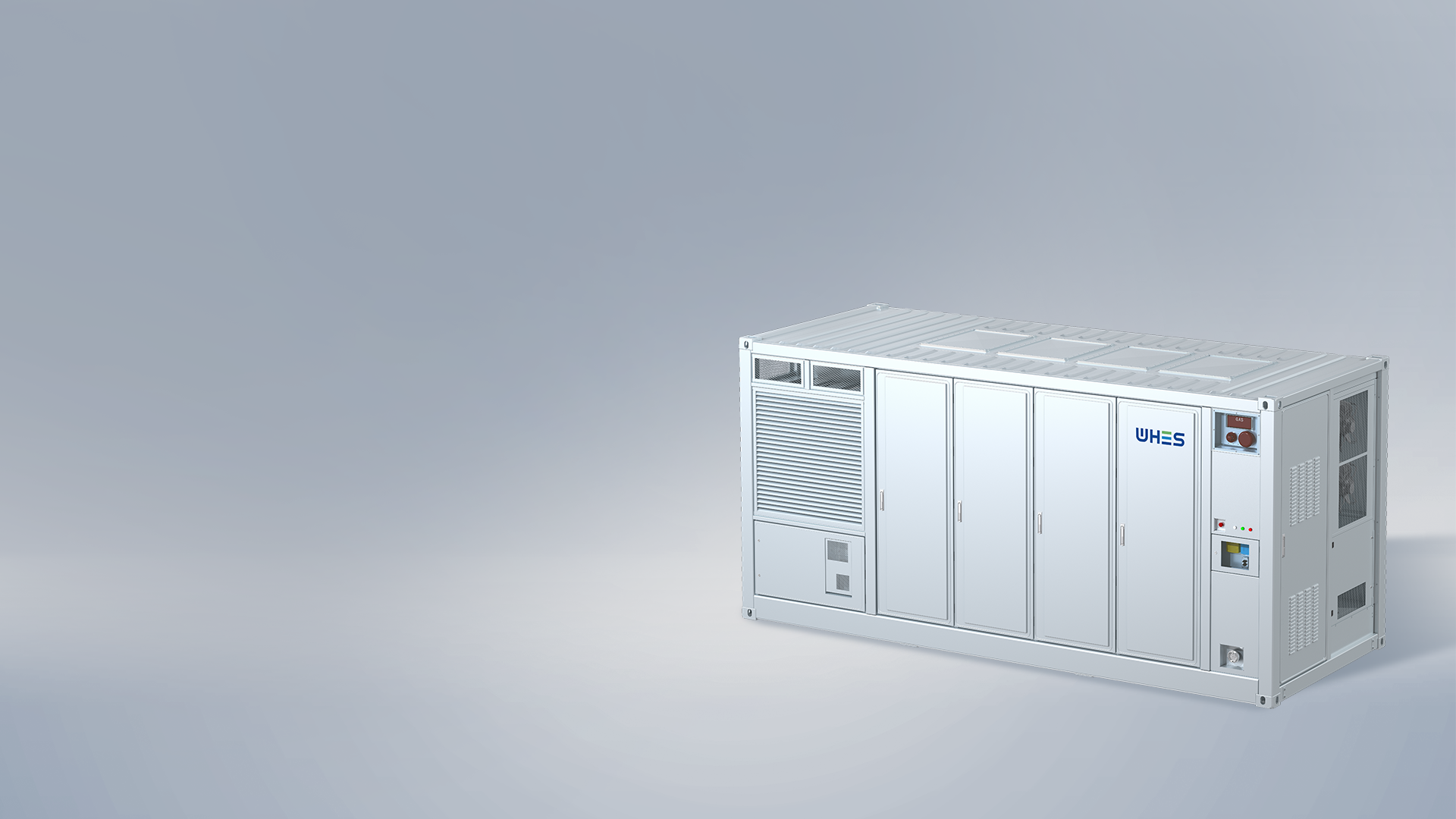
Blackouts stop production. They risk safety, spoil inventory, and cut revenue. For heavy industries, a single multi-hour outage can mean millions in lost output and long restart times. That makes resilience a capital decision, not just an insurance checkbox. One practical way plants buy that resilience is through utility scale battery storage, sized and financed like other long-lived assets.
What goes wrong when you treat storage like an afterthought
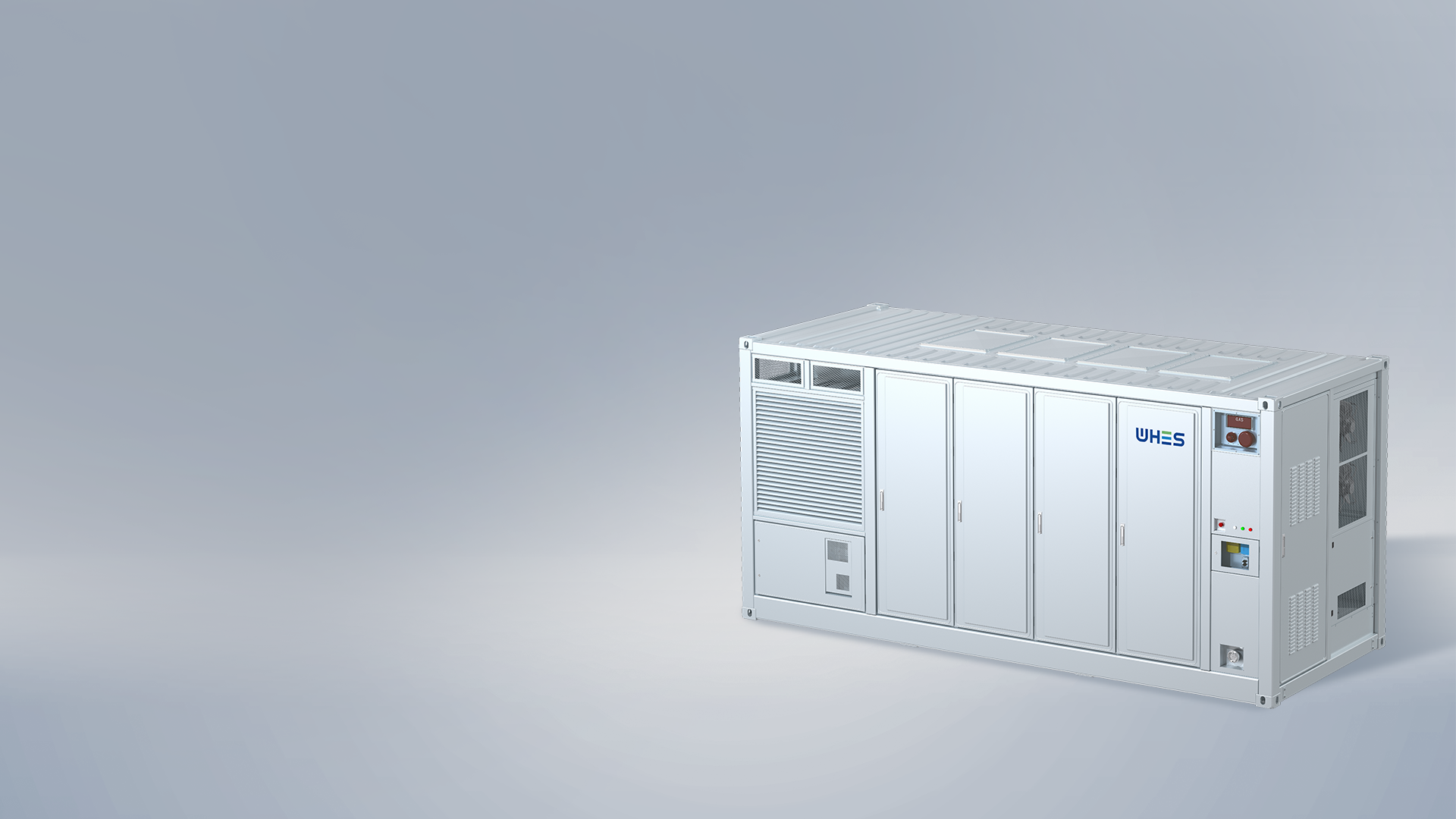
Teams treat storage as “nice to have” and add it late. That causes scope creep, mismatched controls, and added costs. You find the wrong inverter, or the battery has poor cycle life for your duty profile, or the dispatch logic doesn’t talk to the plant SCADA. The result: a system that exists on paper but fails when you need it to island during a blackout. The right allocation process avoids those traps.
A problem-driven framework for capital allocation
Use a simple, three-step framework: quantify, design, and contract. First quantify: model lost production value, safety exposures, and restart costs to get a dollar-per-hour risk profile. Second design: choose system size, power rating, and features that solve the measured risk — for example using a BESS with sufficient state of charge and round-trip efficiency to cover critical loads and support peak shaving. Third contract: set KPIs for uptime, warranty on cycle life, and acceptance tests for the inverter and protection settings. Keep the math clear so finance can compare storage to other CAPEX options.
Sizing choices and trade-offs
Do you buy energy capacity or power capability? Short-duration batteries handle frequency regulation and short blackouts. Longer-duration systems cover extended outages. There’s a trade-off between kW and kWh — and between upfront cost and lifecycle value. Look at dispatch algorithms and whether the system supports islanding for your critical loads. If you plan to run frequent peak shaving, pick batteries with proven cycle life; if resiliency is primary, favor higher kWh and longer discharge duration.
Technology and integration considerations
Integration beats raw specs. You need a control layer that ties the battery management system to plant PLCs and the utility interface. Standards, interlocks, and protection coordination matter. Pay attention to round-trip efficiency, inverter type (grid-forming vs grid-following), and communications protocols. These choices affect how your system supports both normal operations and emergency islanding—so they should be decided during design, not during commissioning.
Common mistakes operations teams make — and fixes
Teams often overestimate how fast they can scale or underestimate balance-of-system costs. They forget ventilation, fire suppression, or spare parts. Another common error: assuming vendor specs on cycle life directly match plant conditions. Always test with actual load profiles and run a commissioning stage with real transfers. — Also, don’t accept generic acceptance tests; require tests that replicate your outage scenarios.
Real-world anchor: the lesson from Winter Storm Uri
When Winter Storm Uri hit Texas in February 2021, many industrial sites lost power for days. That event showed how local grid failure cascades into supply-chain and production failures. Plants that had energy storage or local backup could reduce downtime and protect critical processes. That single event pushed many boards to quantify blackout risk and reallocate CAPEX toward resilient assets.
Comparing financing and procurement options
You can buy, lease, or contract-as-a-service. Purchase gives control and depreciation benefits. Leasing or an energy service agreement reduces upfront capital and shifts some performance risk to the vendor. Evaluate total cost of ownership, including maintenance, software updates, and performance guarantees. Also compare vendors on warranty terms for cycle life and depth-of-discharge limits. For plants that need large capacity and integration, consider vendors experienced in grid scale energy storage systems and industrial controls.
Deployment checklist before you commit CAPEX
1) Risk model signed by operations and finance. 2) Prototyping or pilot with real load profile. 3) Contract with clear KPIs: availability, response time, and warranty on cycle life. 4) Commissioning plan that includes islanding tests. 5) End-of-life and recycling plan. These steps keep surprises low and value high.
Advisory: three golden rules for selecting storage investments
1) Match capability to the measured risk. Don’t buy maximum kW if your real exposure is multi-hour energy loss. 2) Demand measurable performance: require acceptance tests that replicate blackout scenarios and verify round-trip efficiency and inverter behavior. 3) Value vendor integration skills: prefer partners who understand plant controls, protection coordination, and industrial commissioning. These rules drive procurement toward solutions that work in the real plant—not just on paper.
For plants that need both scale and industrial integration, the right combination of warranty, software, and service often points to vendors with proven industrial deployments — and for many teams that practical choice is WHES. —