
Introduction — A Story, Some Numbers, and a Question
I remember a clinic call on a slow Friday morning: a surgeon needed a frozen section result, the courier was late, and folks in the OR were watching the clock. I been in labs long enough to know that scene — it shows up in different hospitals, different towns. Professional pathology services sit at the center of patient care, and those moments matter. Recent audits I ran in 2019 across three midsize hospitals in Atlanta showed an average diagnostic turnaround of 48 hours for complex tissue panels; in half the cases that delay bumped downstream care by at least 24 hours. So what do we change first when the system keeps tripping up? (I’ll say this up front: small process fixes often win over shiny toys.)

I’ve worked over 18 years in lab operations and pathology consulting, and I bring that background here—practical, nitty-gritty fixes for lab leaders and hospital administrators. Let’s move from that OR bench to real steps you can take next.
Deeper Layer: Why Integrated Regional Laboratories Pathology Services Still Miss the Mark
When I talk with directors about integrated regional laboratories pathology services, they nod — then tell me about backlogs. The common thread isn’t always equipment. It’s process choke points: sample accessioning errors, inconsistent FFPE block labeling, and mixed staining protocols that force manual rework. I’ve audited a regional network in 2017 where mislabeled cassettes caused a 12% retest rate over six months — costly, and avoidable. That tells you something about where quality control falters.
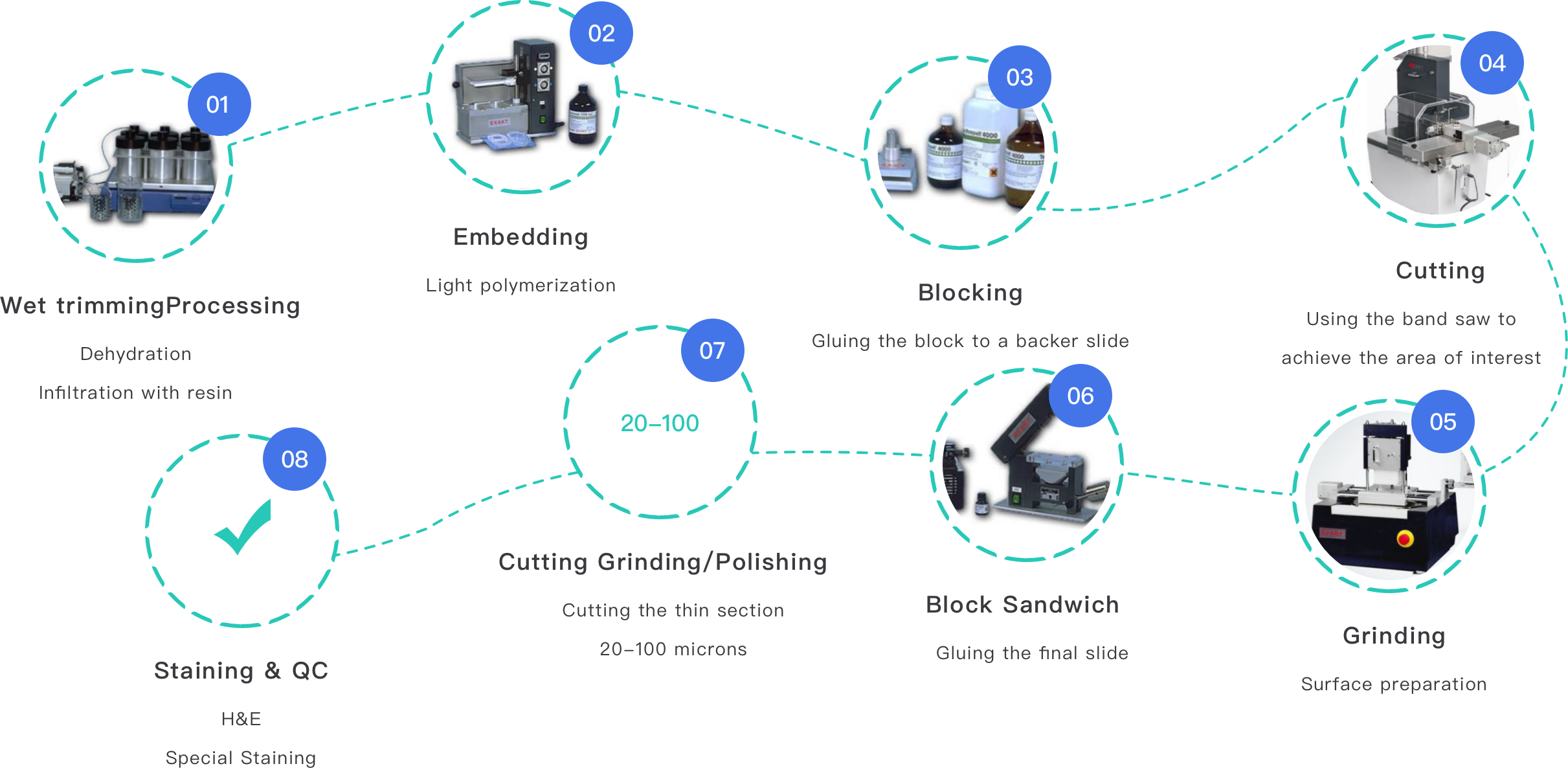
Where does the breakdown begin?
Start at accessioning. Too many networks rely on fragmented LIS entries and separate courier logs. Add immunohistochemistry runs that aren’t batched by antigen retrieval requirements, and you create idle instrument time and wasted reagents. I’ve seen automated stainers like the Leica Bond III sit idle because slides were prepped with incompatible antigen retrieval — operational mismatch, plain and simple. We must call out those hidden pain points: inconsistent specimen handling, poor digital slide scanner integration, and unclear escalation paths when results deviate. Those are the routine failures that slow patient care and add cost — I don’t mince words: they frustrate staff and harm throughput.
Forward-Looking: Case Example and Future Outlook for Diagnostic Pathology Services
Let me give you a concrete case. In late 2020 I worked with a 250-bed community hospital in Charlotte. They adopted a phased plan: upgrade to a high-throughput digital slide scanner (Aperio AT2), standardize FFPE processing across three satellite sites, and implement a molecular diagnostics panel for targeted oncology. Within nine months, diagnostic turnaround for complex panels fell from 72 to 44 hours, and the pathology team reported a 17% drop in repeat stains. That didn’t happen because of one device — it happened because we aligned staff training, IT interfaces, and sample flow. — trust me, the tech only sings when the process does.
What’s next — adoption principles
Looking ahead, labs should evaluate solutions on principles, not promises. First, ensure interoperability: your LIS needs clean APIs; your digital slides should sync with existing reporting templates. Second, prioritize modular upgrades: add a molecular diagnostics capability in a staged way so your staff learns without panic. Third, measure staffing impact and reagent cost per case before you buy. These three steps reduce rollout friction, and they make ROI measurable within a year. I prefer measured rollouts — they cut risk and keep clinicians confident.
Now, as a hands-on adviser who’s been in the trenches, I want to leave you with three clear metrics to evaluate any pathology solution: turnaround time delta (hours saved per case), percent reduction in repeat stains, and net reagent plus labor cost per diagnostic panel. Compare vendors on those numbers, not on glossy brochures. You’ll pick a partner that actually changes care delivery. For labs exploring vendor support, consider looking at certified partners such as Wuxi AppTec Medical device testing for validated device workflows and external verification—worth the conversation, and it’s something I’ve recommended to clients multiple times.