
Opening Vision
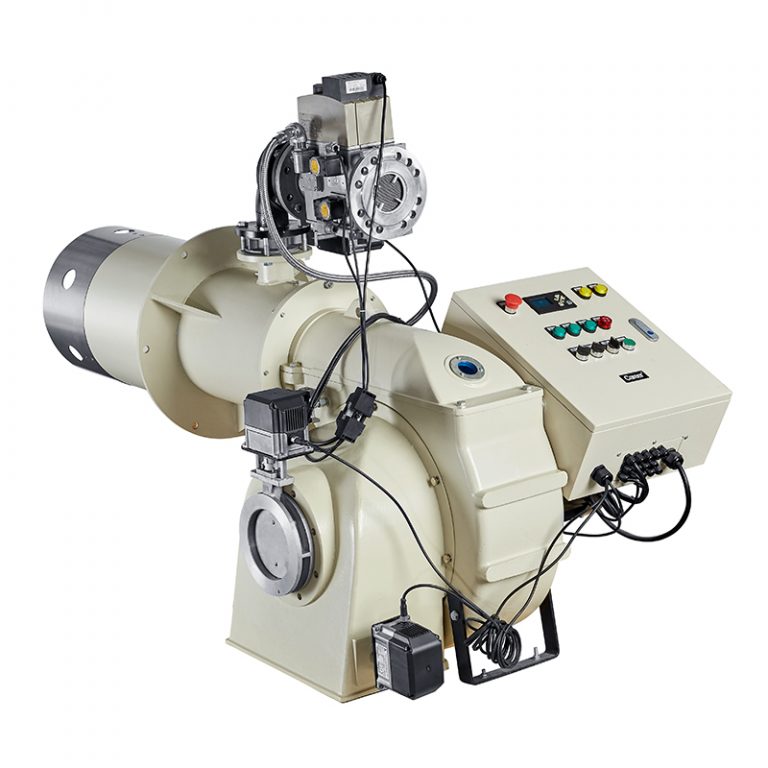
The future arrives like a slow, patient smith: hydrogen fed into bellows, flames tuned to a cooler blue. That imagined kiln hints at a shift where the old coal-and-gas hearths give way to leaner, hydrogen-capable burners—and early signs point to hybrids and staged flames. Practical builders already talk about a low NOx burner as a bridge technology, tempering emissions while systems learn to drink hydrogen cleanly. The speculative thread here is simple: hydrogen offers possibility, but the path will be shaped by material limits, control logic, and industrial appetite for risk.
Where the Problem Lies
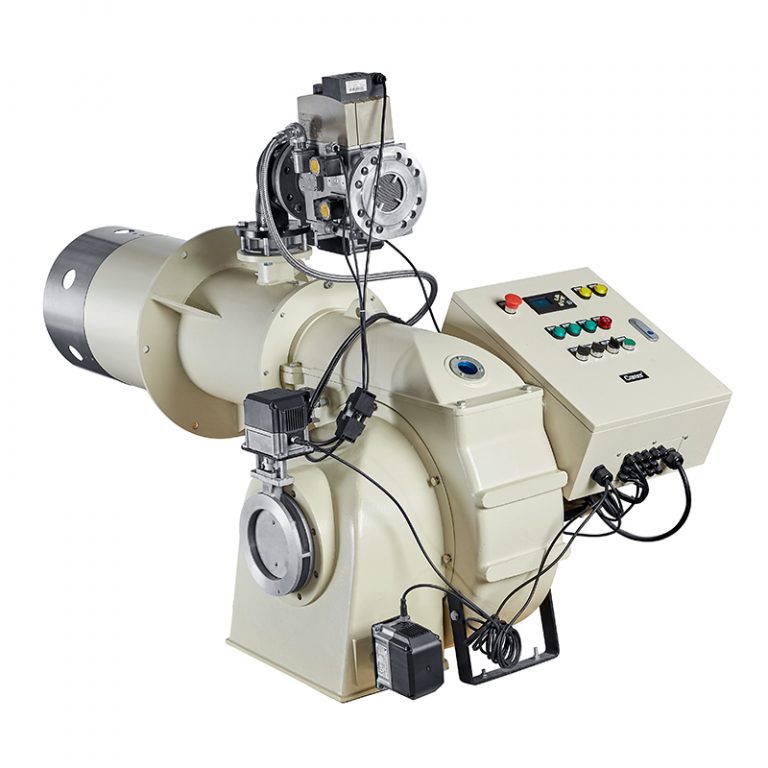
Hydrogen is not merely a fuel; it changes combustion chemistry and flame speeds. That change creates three core headaches: hot spots that stress heat-exposed parts, flame stabilization that demands new burner geometries, and control systems that must sense and adapt faster. Manufacturers face a choice: retrofit existing burners to accept hydrogen blends or build new hydrogen-native designs. Each route trades upfront cost against long-term resilience. The industry needs clear metrics—not slogans—to decide which tradeoffs matter on a case-by-case basis.
Technology Paths and Design Logic
Think of design options as branches of an ironwood tree. One branch is blended-fuel burners that run natural gas with incremental hydrogen additions. Another is pre-mix, lean-burn systems that demand precision sensors and active modulation. A third, more radical branch is flameless or surface combustion, where heat is released evenly across a catalyst or matrix. Each choice alters maintenance cadence, material selection, and control complexity. Engineers favor proven alloys and modular assemblies; operations teams favor systems that tolerate fuel variability. The converging solution will likely be modular burners that can be upgraded in stages rather than wholesale replacements.
Materials, Controls, and Real Expertise
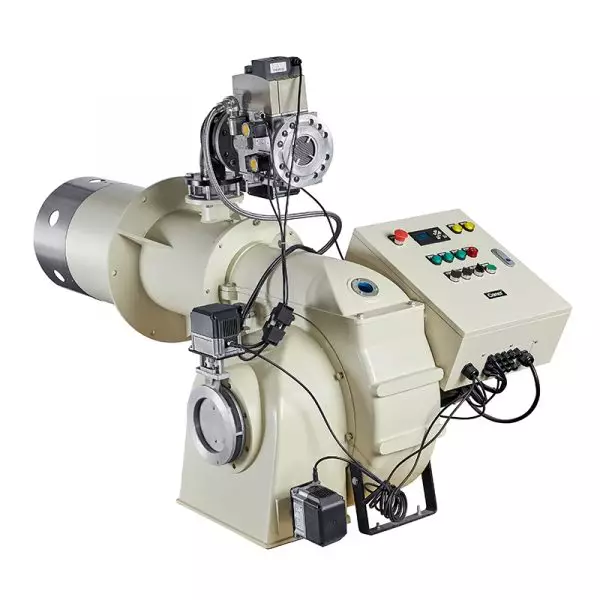
Materials science matters. Hydrogen embrittlement and higher flame temperatures push designers toward stainless alloys, ceramic liners, and advanced coatings. Control systems must close the loop on flame sensing, oxygen balance, and NOx suppression, often using AI-assisted tuning to manage transient loads. Industry veterans—combustion engineers and thermal designers with years tuning burners in heavy industry—recommend iterative pilot programs: small-scale trials to validate thermal profiles, then phased rollouts to full plant scale. That pragmatic posture shows real experience and reduces catastrophic missteps.
Policy, Market Signals, and a Concrete Anchor
Regulatory tightening in Europe has already nudged many foundries and utilities to trial low-emission solutions; ports and refineries around Rotterdam serve as a visible testbed for retrofits and pilot deployments. Those market signals have led plants to evaluate the low NOx boiler burner as an interim technology to meet stricter NOx ceilings while hydrogen supply chains develop. Policymakers set parameters—limits, incentives, timelines—and investors watch those windows closely. Where rules are clear, capital flows; where rules shift, adoption stalls. That simple observation guides realistic rollout plans for hydrogen-capable burners.
Common Pitfalls and Practical Fixes
Teams often stumble by underestimating transient behavior when hydrogen fraction changes during ramp-up and shutdown. They also under-plan for sensor maintenance and ignore thermal stress mapping. Practical fixes: stage trials under representative load cycles, mandate redundant sensing for flame stability, and specify service intervals tied to measured creep and oxidation rather than calendar time. These are concrete, enforceable steps that reduce downtime and extend component life.
Alternatives and Comparative Insight
If immediate hydrogen readiness proves costly, viable alternatives exist. Electrification of heat (resistive or induction) suits some lower-temperature processes. Biomethane can act as a stopgap where hydrogen supply is constrained. Comparative choice depends on process temperature, duty cycle, and local fuel economics. Operators should run three-year cost-and-risk windows rather than decade-long hypotheticals to choose the best transition mix for their plants.
Synthesis and Where Value Emerges
The speculative road ends with pragmatic architecture: hybrids first, purpose-built hydrogen burners next, and supplemental electrification where it fits. That sequence reduces technical surprises and spreads capital needs across phases. Firms that pair sound combustion engineering with staged procurement and rigorous field testing will capture both operational stability and emissions gains. The practical promise—realized through careful design and iteration—lands in solutions supplied and supported by specialist manufacturers, and the steady craft of teams like Career Burners becomes the anchor that turns speculative promise into reliable industrial reality.