
Introduction: When the room looks flat, the crowd feels it
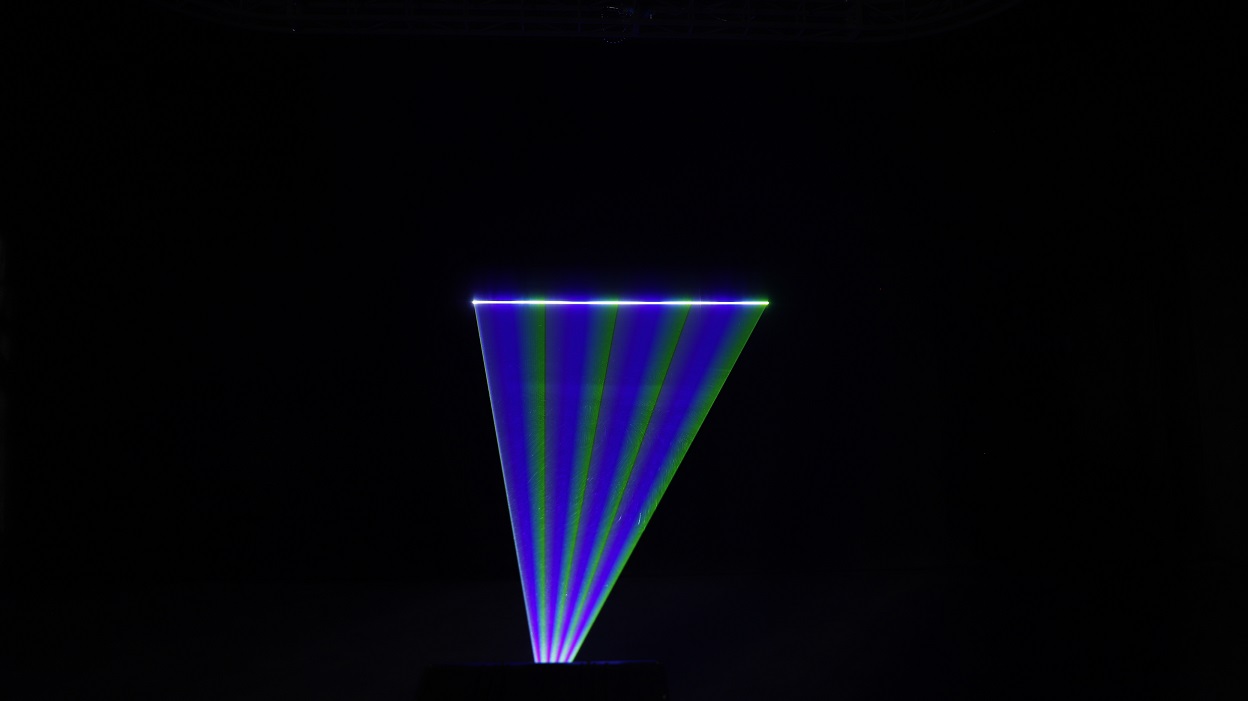
You roll into a club and the floor is packed, but the atmosphere feels… thin. You flick on a DJ laser light and expect magic. The beat hits. The beams appear. Yet the air still lacks dimension, and the energy dips. Industry tests show that lighting cues can lift perceived intensity by double digits, while poor beam shaping and sloppy timing can drag the crowd’s focus by as much as 25% (no joke). So why do some rigs slice cleanly through haze while others blur into mush? Is it brightness alone—or beam divergence, scan rate, and DMX512 mapping working in sync? Look at the ceiling and you’ll see the truth written in lines and corners—funny how that works, right?
Here’s the twist: many shows suffer not from lack of power, but from uneven control paths and dated optics. A small mismatch in firmware or a noisy power path can derail the whole cue stack. That gap between what you expect and what your audience sees is where the real work lives. We’re going to unpack the choices that shape performance and help you spot the wins (and the traps). Next up: why “best” is bigger than brightness alone.
Digging Deeper: Why “Best” Means More Than Brightness
Where do traditional rigs trip up?
People often chase watts and forget the system picture. When you evaluate the best DJ laser lights, start by tracing the signal path, not the lumen spec. The optical engine, galvanometer scanners, and control protocol must agree. If the ILDA frame is clean but the galvos overshoot, corners smear. If the beam divergence is wide, power gets wasted in haze rather than on crisp mid-air shapes. Look, it’s simpler than you think: a balanced pipeline beats raw output most nights—especially in compact rooms.
Traditional solutions lean on fixed macros and basic DMX channels. They look fine on paper, then implode in a busy set. Why? Latency stacks up across adapters, power converters ripple under load, and scanners heat up during long sweeps. Even small drift can desync text effects or mash outlines. The result is a show that feels “off” though no single fault screams at you. The fix starts with better timing discipline and smart safety interlocks that don’t choke the show flow. If your rig can’t maintain a steady scan rate across varied content, it will fade when it matters most.
Comparative Outlook: Smarter Beams, Cleaner Workflows
What’s Next
Now, compare old-school rig chains with newer, integrated architectures. The new approach tightens control by moving key computations closer to the fixture—edge computing nodes handle vector paths, reduce jitter, and protect scan rate under stress. That means shapes hold at speed. Corners stay true. And transitions feel immediate—exactly what you want when your set pivots. In practice, this also reduces dependency on fragile adapter stacks and lowers the chance of protocol hiccups mid-chorus. If you’ve ever watched an effect stutter when the drop lands, you know the pain.
For venues considering an upgrade, put future workflow first. Integrated mapping that supports both ILDA and robust DMX512 profiles offers more stable cue execution than a pile of converters. Thermal tuning that keeps galvanometer scanners within spec after hours of use preserves clarity. And better beam divergence control lets you tune the room—not just blast it. This is where advanced nightclub lasers stand apart. They pair optical discipline with safer, smarter control layers, so your visuals remain punchy and consistent (even when the haze is uneven). It sounds technical, but the result is simple: more legible beams, less guesswork—funny how tight engineering makes the creative part feel effortless.

If you’re choosing gear, use three metrics that cut through hype. First, beam integrity under motion: judge corner sharpness and line stability at your target BPM. Second, control latency end-to-end: measure response from console to output with stacked cues, not just single looks. Third, thermal and drift resilience: confirm scan stability after a full-hour stress run. These checks surface hidden gaps without drama and help you see what will hold up in a real room, on a real night, with a real crowd. For a balanced reference point in these areas, see how current systems from Showven Laser approach timing, optics, and safety without overcomplicating the rig.